



Breaking the stigma: How therapy is evolving for the younger generation
Gen Z and millennials are making therapy more normalised and accessible. Despite high stress and depression, many still don’t seek help. But therapy is now viewed as a proactive tool, not just for crises, and is embraced in dating, relationships, and workplaces.

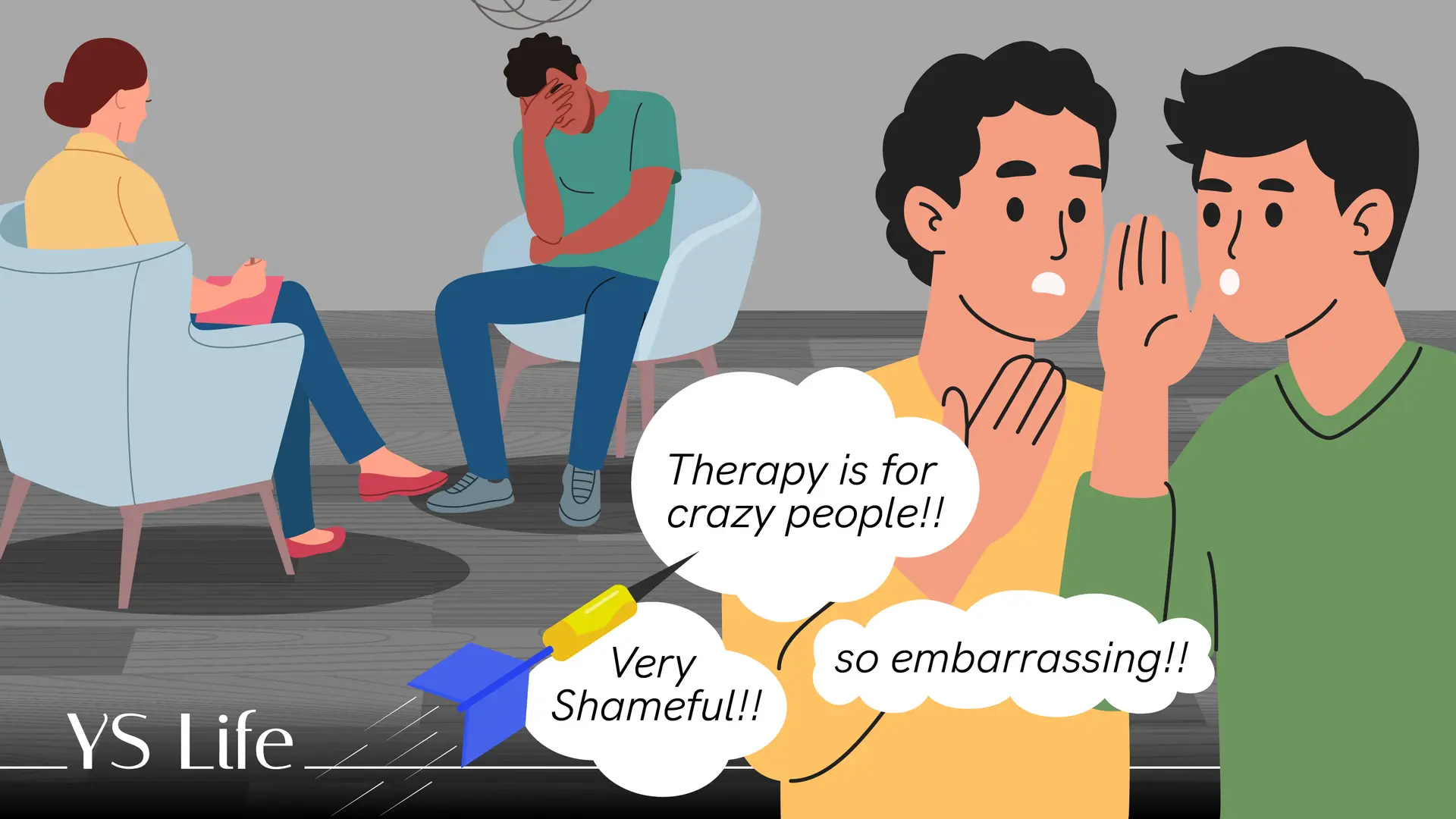

For generations, therapy has been associated with stigma. Among older generations, seeking professional help was typically seen as a last resort, reserved only for those perceived as struggling with insurmountable mental health problems.
It was something to be kept under wraps—a sign of weakness. However, thanks to the digital world, there’s been a significant transformation in how Gen Z’s and millennials are approaching mental health. The abundance of information, coupled with increased awareness has helped influence people’s stance on therapy. But there’s still a long way to go.
According to a survey by the American Psychological Association, 91% of Gen Z adults report experiencing at least one physical or emotional symptom due to stress, with 58% feeling depressed or sad, and 55% lacking motivation or energy. Despite this, only half feel they do enough to manage their stress, highlighting the urgent need for continued mental health advocacy and support.
Navigating world challenges
This growing stress is exacerbated by the evolving nature of modern life. The decline of traditional family structures, the rise of single-person households, and evolving social dynamics have left many individuals without built-in support systems like those of previous generations.
At the same time, exposure to global issues, workplace stress, and personal struggles has made mental health a pressing concern.
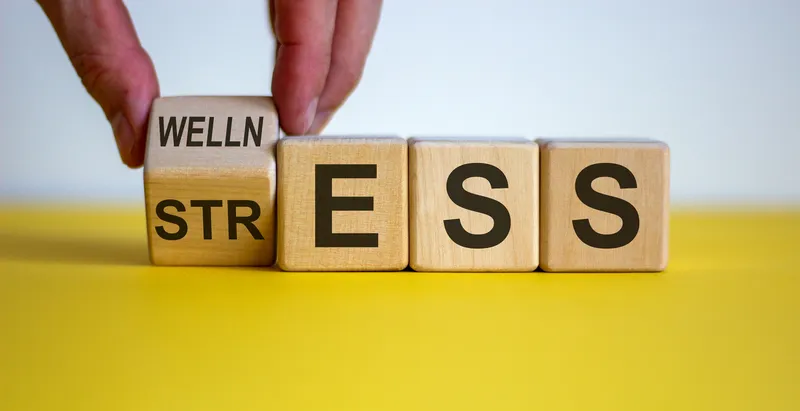
Image: Shutterstock
According to McKinsey's 2023 article ‘Gen Z mental health: The impact of tech and social media,’ over one-third of Gen Z respondents say they spend more than two hours each day on social media sites, implying they live in a world where screen time has replaced face-to-face interactions, leaving people more “connected” yet lonelier than ever.
In this context, therapy offers a vital space for support, not necessarily because someone is in crisis, but because many are struggling with a lack of deep and meaningful connections.
In India, while the stigma associated with mental health is shifting, there remains a gap between recognising the need for help and wondering whether one is strong enough to manage on their own.
"I can talk to friends; I don't need to talk to a professional" is still a common belief, and while friends and family can offer immediate comfort, they may not be able to truly identify or help navigate the issue at hand.
Furthermore, advocacy and conversations about mental health on social media and in the broader society have helped normalise it. The COVID-19 pandemic played a significant role in highlighting the mental health crisis worldwide. Social media has facilitated individuals to easily access information, recognise patterns of behaviour in themselves and their parents that are problematic, and seek improvement. This has encouraged individuals to pursue therapy, using social media as a starting point for their journey. However, it's essential to approach this information with caution, as it may not be entirely examined.
While social media and conversations are valuable tools for connection, support, and sharing experiences, it's important to take caution while seeking advice from non-specialists, especially in the context of therapy and mental health. On the positive side, the digital world can foster a sense of community, offer peer support, and provide access to mental health resources; however, the negatives are just as compelling.
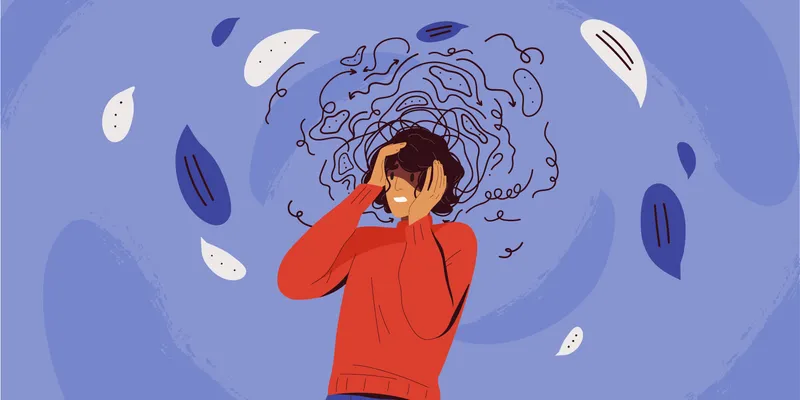

The portrayal of mental illness online can sometimes exaggerate or "hype" certain conditions, leading to misdiagnoses or a misunderstanding. Moreover, some individuals use social media as a substitute for professional therapy, which can be damaging in the long term, as it often lacks the experience and structure needed to address serious mental health concerns.
The mindset shift
Personal experiences are helping move the needle as a society toward viewing therapy as a way of life, rather than just a solution for specific conditions or situations. This is crucial because the more we champion the concept of therapy, the more people will come forward to help themselves, creating a domino effect.
Take the dating scene, for instance. Therapy is now a primary topic of discussion and is often considered a "green flag." We're seeing more clients come into therapy to improve their chances at dating by understanding themselves better, recognising their strengths and weaknesses, and learning what they want in another person. With therapy, they're also equipping themselves with tools to handle new relationships with greater agency. When therapy is accepted in social circles, such as the dating world, we can say we're collectively growing towards change.
Therapy in the evolving corporate world
As Gen Z enters the workforce, therapy/counselling at the corporate level has gained momentum, with many organisations now establishing Employee Assistance Programs (EAPs)—a crucial step forward.
According to the 'Emotional Wellness State of Employees in 2024' report, despite awareness about therapy, 64% of employees aged 21-30 years experience high stress, making them the most affected demographic.
Women, in particular, report higher workplace stress levels, with 72% citing high-stress levels compared to 54% of men, primarily due to challenges like poor work-life balance, lack of recognition, and workplace judgment.
However, an interesting contrast arises as Gen Z's concerns about employer perception prevent them from accessing these resources, even though they hold progressive views on mental health.
Millennials, on the other hand, are concerned about the impression they may create among their juniors if they seek therapy. This highlights the importance of implementing EAPs with effective communication strategies to sensitise employees, foster openness, and promote empathy around workplace stress, burnout, and the need for support. Such efforts can enhance both work productivity and interpersonal relationships.
Therapy is for everyone
As we normalise therapy, it transcends across generations. We've seen cases where Gen Z and millennial clients, aged 23 and 24 years, have shown significant improvement, inspiring their parents or even grandparents to seek professional help.
This positive shift indicates that the younger generation is encouraging older generations to seek support. Another key observation is that couples now enter therapy not as a last resort during crises, but proactively to address differences and strengthen their relationships. What was previously seen as a final step, suggesting that a marriage was in jeopardy, couples are taking necessary steps that encourage open discussions and make foundational amends to realign relationships.
So, whether you’re choosing a career or a partner, there is a clear and promising shift towards prioritising emotional well-being. Though the checklists for success—both personal and professional—are evolving, one thing remains clear: Gen Z and millennials are leading the way in making mental health a priority. They want to understand their core nature, how it aligns with their jobs and relationships, and what truly fulfills them.
(Deepti Chandy is a therapist and the COO at Anna Chandy & Associates)
Edited by Megha Reddy
(Disclaimer: The views and opinions expressed in this article are those of the author and do not necessarily reflect the views of YourStory.)