



AI Pilots Are Taking Off as Aviation Embraces Them
AI-powered co-pilot systems are beginning to assist pilots in aviation as companies test automated flight technology and cockpit AI tools.

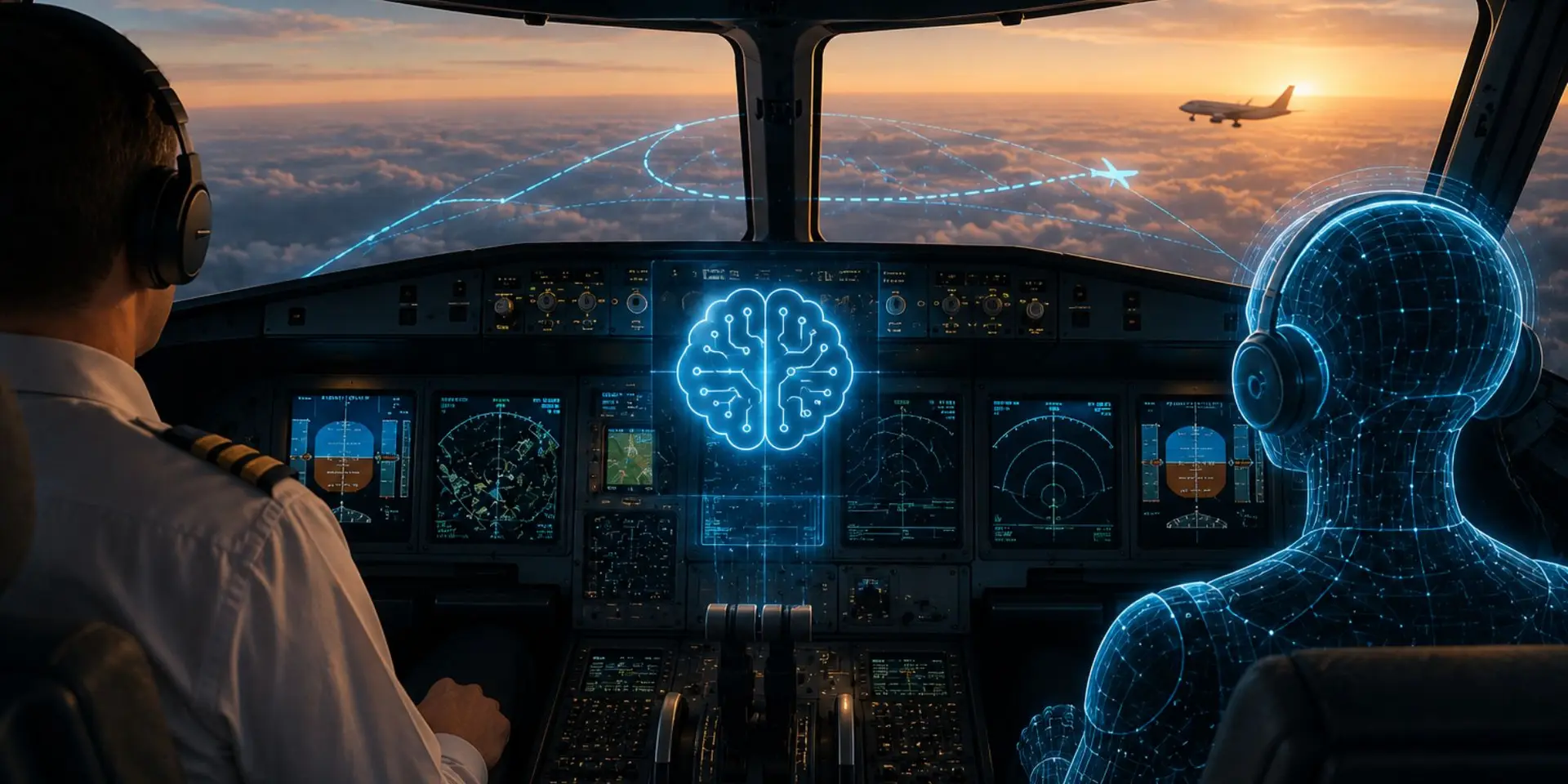

A new kind of co-pilot is quietly entering the cockpit.
At Quonset State Airport, a recent demonstration flight showed a Cessna Caravan taking off with an AI system actively controlling parts of the aircraft while the human pilot kept their hands away from the controls.
The test, reported by CNN, marked another step in aviation’s growing embrace of artificial intelligence inside the cockpit. The technology behind the flight was developed by Merlin Labs, which is building AI-powered systems designed to operate as digital co-pilots rather than full pilot replacements.
AI is moving beyond traditional autopilot systems
Modern aircraft already rely heavily on automation. Autopilot systems can maintain altitude, follow routes, and stabilise flights for long periods. But AI-driven systems aim to go much further.
Unlike conventional autopilots that mainly follow pre-programmed instructions, Merlin’s technology is designed to interpret dynamic information in real time. According to reports, the system can manage throttle, heading, climb, and radio communication while responding to changing flight conditions.
The AI also reportedly uses natural language processing to understand air traffic control instructions and generate spoken responses using synthesised voice systems. That capability matters because aviation communication is often fast-paced, unstructured, and highly situational.
Traditional flight computers are not built to interpret those conversations naturally.
The goal is assistance, not pilot replacement
Despite growing automation, the aviation industry is being careful about how AI is positioned publicly. The current focus is on reducing pilot workload rather than removing humans from the cockpit entirely.
AI systems are being developed to handle repetitive procedural tasks so pilots can focus more attention on decision-making, situational awareness, and handling unusual events. That distinction is important for both regulators and passengers.
Pilot organisations, including the Air Line Pilots Association, continue to emphasise that trained human pilots remain essential for airline safety. The group supports technologies that improve operations, but maintains that commercial flights should still involve two qualified pilots on the flight deck.
In practice, this means AI is currently being framed more as an intelligent assistant than an autonomous replacement.
Why aviation is warming to AI now
Several factors are pushing the aviation industry toward greater AI adoption. Modern cockpits already generate enormous amounts of operational data, making them increasingly suitable for AI-driven analysis and automation.
Airlines are also under pressure to improve efficiency, reduce delays, optimise fuel consumption, and manage growing pilot workload demands. AI systems could help by handling communication tasks, monitoring weather changes, identifying routing adjustments, and maintaining more consistent flight operations.
Cargo aviation and training environments are expected to become early testing grounds because they offer more controlled operational conditions than commercial passenger airlines.

Certification remains a major challenge
Before AI systems can become widespread in aviation, they must pass extremely rigorous regulatory approval processes. Merlin Labs is reportedly working with the Federal Aviation Administration to pursue certification following hundreds of supervised test flights.
Regulators will likely require extensive evidence showing that AI systems can operate safely across highly varied scenarios, including equipment failures, severe weather, and unexpected air traffic conditions.
Clear rules for human handover and pilot override capabilities will also be critical. Unlike many consumer AI products, aviation systems operate in environments where even small failures can have severe consequences.
The next phase of AI aviation
The coming years will likely bring more public test flights, deeper regulatory scrutiny, and gradual operational integration. Passenger trust may become just as important as technical performance.
Airlines and aviation companies will need to clearly communicate when AI is assisting pilots and where human authority remains. For now, AI is not replacing pilots. But it is increasingly becoming part of the cockpit, learning alongside humans as aviation cautiously prepares for its next technological shift.