



Morgan Stanley flags 1 trillion litre water demand from AI growth
A Morgan Stanley report projects AI data-centre water use could climb to 1,068 billion litres a year by 2028, an eleven-fold increase from 2024 levels, driven by system cooling, power generation and chip manufacturing.

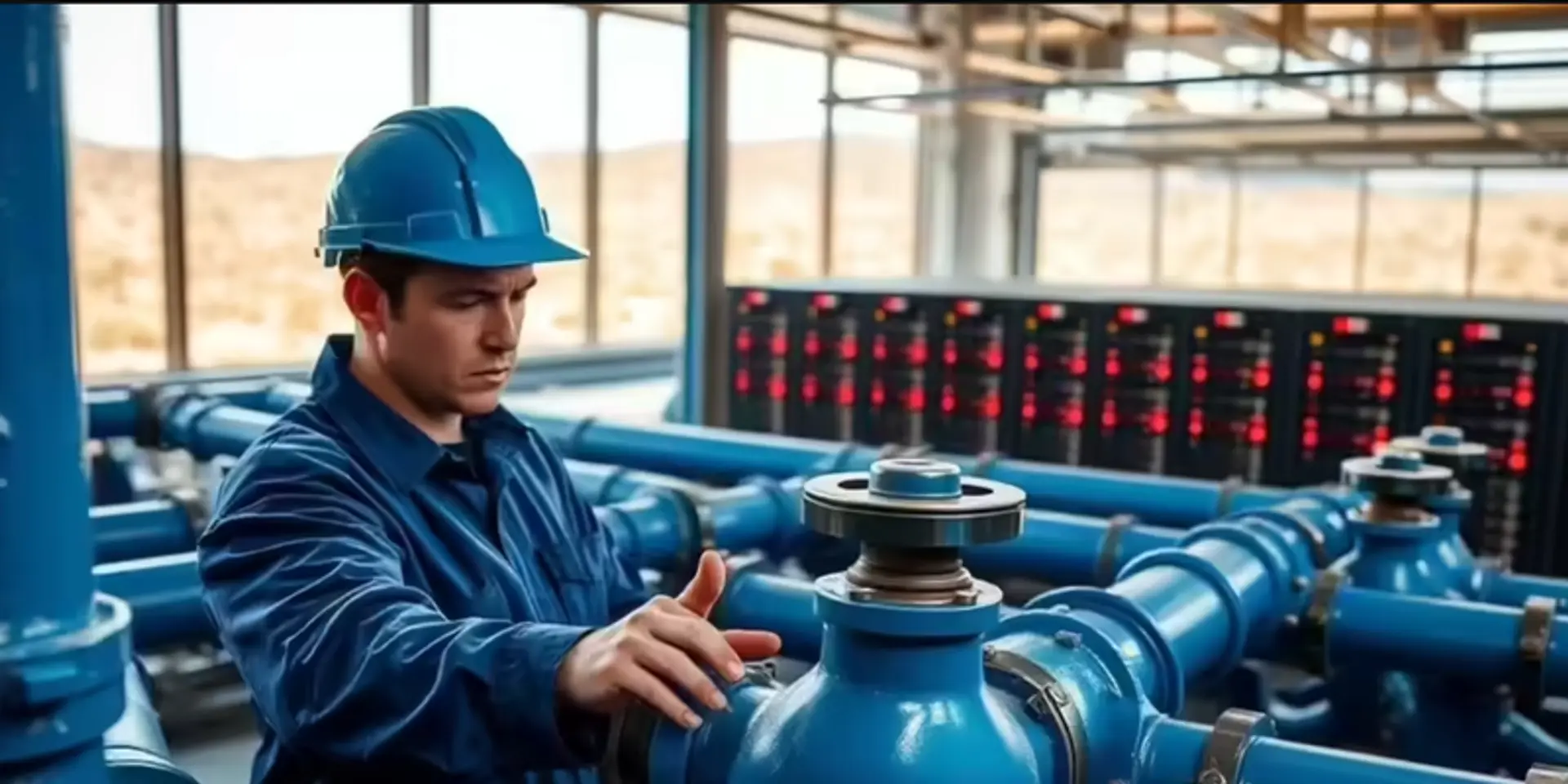

A new report by Morgan Stanley has projected that artificial intelligence data centres could cause global water consumption to rise eleven-fold by 2028, reaching 1,068 billion litres annually. The study, published on 8 September 2025, highlights how the rapid growth of AI infrastructure could place additional pressure on already scarce water resources.
The report breaks down AI’s water footprint across three categories. The first is Scope 1, which accounts for direct water usage in cooling systems required to prevent servers from overheating. The second, Scope 2, covers indirect consumption tied to the electricity generation that powers data centres. The third, Scope 3, measures water use in the production of semiconductors and chips that enable AI computing.
Based on these three categories, the report estimates annual water use in 2028 could range from 637 billion litres to 1,485 billion litres, depending on technological efficiency and regional energy choices. The central estimate of 1,068 billion litres represents an eleven-fold increase over present levels.
Regional concerns
The findings emphasise that more than half of the world’s major data centre hubs are located in regions already facing moderate to high levels of water stress. These include areas vulnerable to droughts, water quality degradation and declining groundwater supplies. The projected rise in consumption could exacerbate existing shortages, particularly in regions where water competition between industry and communities is already significant.
Drivers of water demand
The expansion of AI models, which require intensive computing power, is expected to accelerate demand for data centre capacity. As industries ranging from finance and e-commerce to healthcare and education integrate AI technologies, the underlying infrastructure will need more power and more cooling. These requirements directly translate into higher water use for cooling towers, power plants and semiconductor factories.
Efficiency measures
The report notes that water-efficient cooling methods, recycling systems and a shift towards renewable energy sources could mitigate the projected rise in consumption. Adoption of advanced liquid-cooling technologies, regional regulations and corporate sustainability policies are among the factors that will determine the scale of the increase.
However, without significant changes in industry practices, the study warns that water use by AI-related infrastructure could become a major environmental concern. The findings suggest that careful siting of data centres and improved efficiency standards will play a critical role in balancing industrial growth with water sustainability.
Implications for industry
The rapid pace of AI adoption has drawn attention to its environmental impact alongside its economic potential. While companies and governments have prioritised investment in AI infrastructure, the rising water footprint identified in the Morgan Stanley report has placed resource management at the centre of sustainability debates.
The figures underscore the scale of consumption that could accompany the next phase of AI development and the challenges that come with balancing innovation and environmental stewardship.