



AI in defence, explained: The tech behind Modern Warfare
From drone swarms to battlefield bots, AI is reshaping military strategy worldwide. Discover the technologies powering the future of defence.

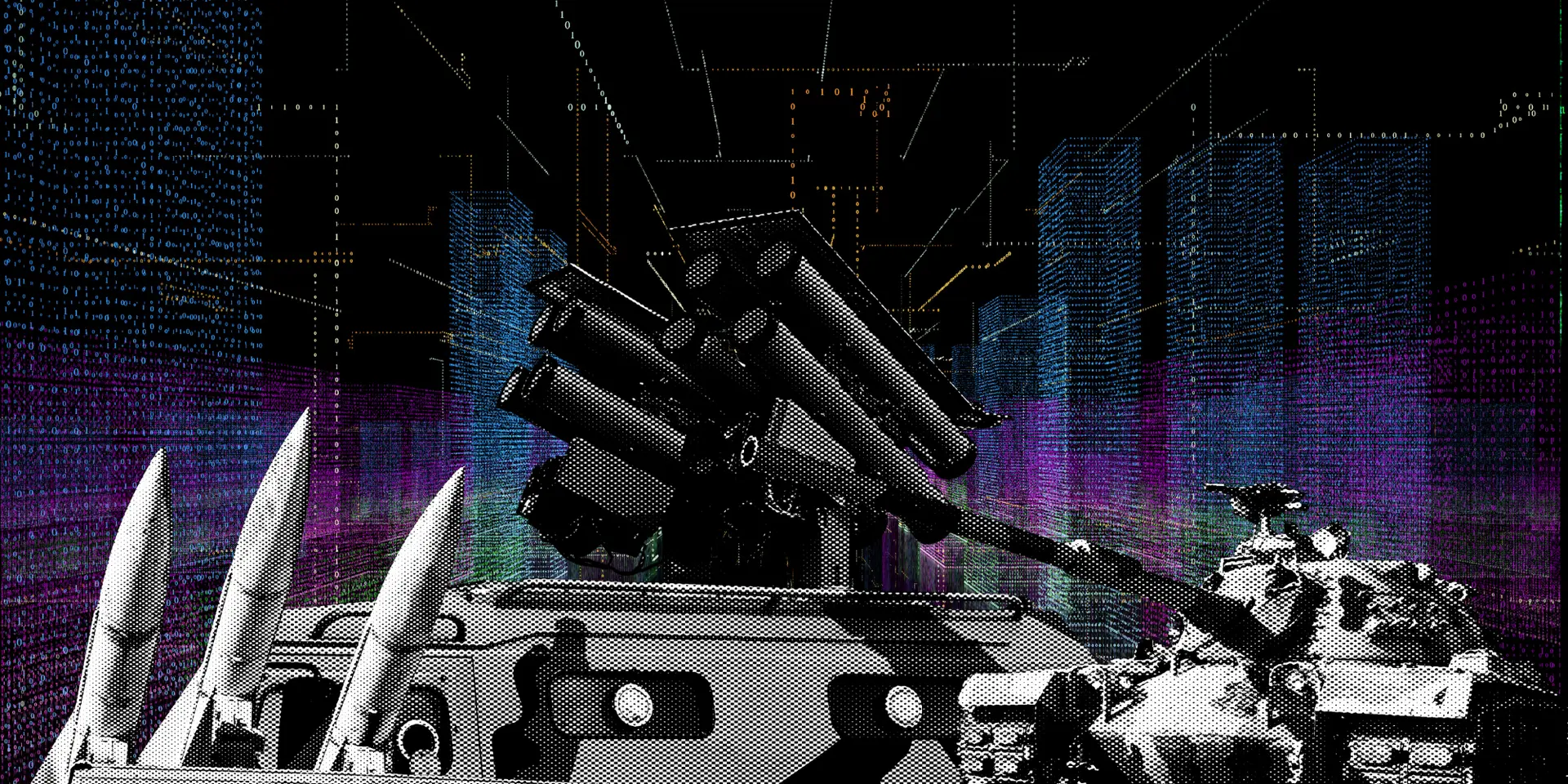

Artificial intelligence (AI) is revolutionising defense capabilities worldwide, enabling smarter decision-making, enhanced situational awareness, and autonomous systems that reduce risk to personnel.
From battlefield robotics to strategic command centres, AI is reshaping military operations — and in some cases, redefining the very rules of tactical engagement.
Here's how
1. Real‑time situational awareness & decision support
Data fusion and target recognition: AI systems can rapidly process sensor feeds, satellite imagery, and open-source intelligence to identify threats with improved accuracy.
Command‑and‑control networks (JADC2): The U.S. Department of Defense’s Joint All‑Domain Command & Control (JADC2) initiative connects sensors across services, enabling AI to integrate data and recommend fire‑control directives in millisecond.
Digital twin simulations: Tools like Anadyr Horizon’s “North Star” build leader‑simulating AI twins to forecast geopolitical outcomes, offering high‑stakes decision insights before real-world deployment.
2. Autonomous platforms & unmanned systems
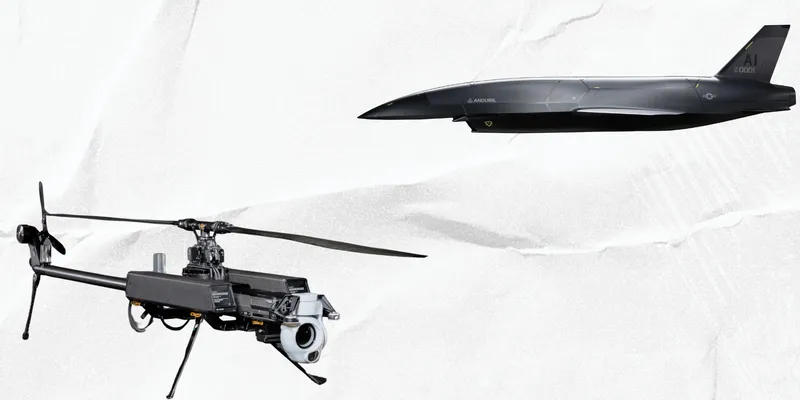
Drone swarms & UAVs: Companies like Anduril are developing autonomous drones (Barracuda, Fury, Ghost) for reconnaissance, loitering munitions, and air combat roles, using onboard AI for navigation and target selection.
Surface & maritime systems: The U.S. Navy’s Global Autonomous Reconnaissance Craft (GARC) are robotic surface vessels powered by AI to conduct surveillance and interdiction tasks.
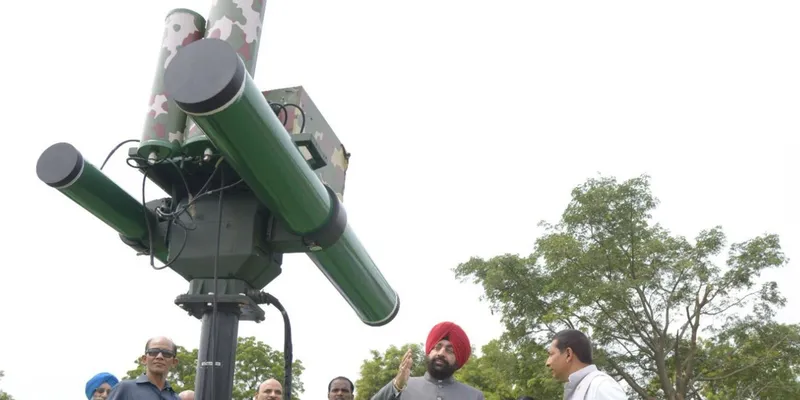
Defensive counter‑drone domes: India’s Indrajaal system uses wide-area AI‑powered counter‑UAS tech — modular sensors, mesh networks, jamming tools and intercept drones — to protect key assets autonomously.
3. Intelligent communications & network resilience
Edge AI and tactical networks: Academic research highlights AI‑driven adaptive signal processing in military comms — enabling self‑healing, low‑latency mesh networks resilient to jamming.
Internet of Military Things (IoMT/IoBT): Edge computing unites soldier gear, sensors, and combat vehicles in real time — AI filters, prioritises, and delivers timely actionable intel to forces on the ground.
4. Autonomous air‑combat & electronic warfare
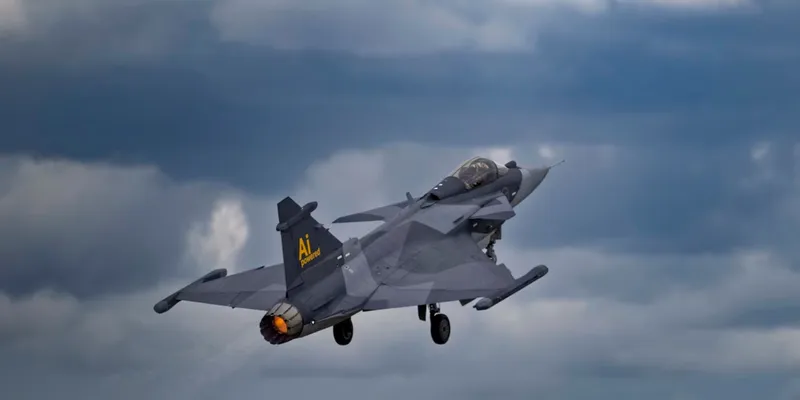
AI‑piloted fighter jets: Sweden’s Centaur AI pilot, tested in a Gripen jet, performed simulated air combat with autonomy — showcasing advanced threat response, maneuvering, and decision-making.
EW drones: The UK’s StormShroud systems autonomously precede crewed jets, jamming enemy radar to create safer corridors for human pilots.
Future aircraft (BAE Tempest): The Tempest next‑gen fighter will feature AI‑assisted pilot awareness, drone swarming, and directed energy, filtering sensor input to avoid cognitive overload.
5. Cyber‑defense and autonomous vehicle security
Autonomous cyber‑defense: Reinforcement‑learning models are being used to train systems that can detect and respond to cyber‑attacks on unmanned military vehicles in real time.
PLA generative‑AI for intelligence: China’s military reportedly uses tailored LLMs to process intelligence, detect patterns, and generate warnings — though transparency and bias control remain concerns.
6. Ethical, legal & strategic considerations
AI ethics in reconnaissance: Military AI systems are being evaluated against FATE principles — fairness, accountability, transparency, ethics — with explicit thresholds for traceability, proportionality, and human‑in‑the‑loop governance.
International responsible AI frameworks: NATO and allied nations, including Australia and the UK, have endorsed frameworks for responsible military AI use — balancing operational gains with risk mitigation.
7. Strategic and industrial momentum
Major defence‑tech partnerships:
OpenAI–Pentagon, a $200 M deal to build frontier AI prototypes for both logistics and combat use.
Anduril–Rheinmetall collaboration to produce EU-specific drone platforms and rocket motors.
Regional innovation thrusts:
Irish tech pivot: Startups are adapting AI radar and maritime sensors for EU defense resilience.
Australian safety‑focused AI: Tools like SAF‑Foresight and ConductorOS aim to reduce fratricide and operator fatigue during large‑scale exercises.
AI is becoming a force multiplier — enhancing detection, autonomy, connectivity, and decision-making across defence domains. While the technological breakthroughs are significant, they also raise critical concerns around ethics, cyber vulnerabilities, legal compliance, and strategic stability. As countries and private firms race to integrate AI systems — from drones and networks to cyber-warfare tools — sound governance frameworks are essential to ensure that military AI strengthens security rather than undermines it.