


Nvidia CEO says AI will create more millionaires in 5 years than the Internet did in 20 years
Nvidia CEO Jensen Huang predicts AI will create more millionaires in five years than the internet did in two decades, citing the transformative power of generative AI and automation.

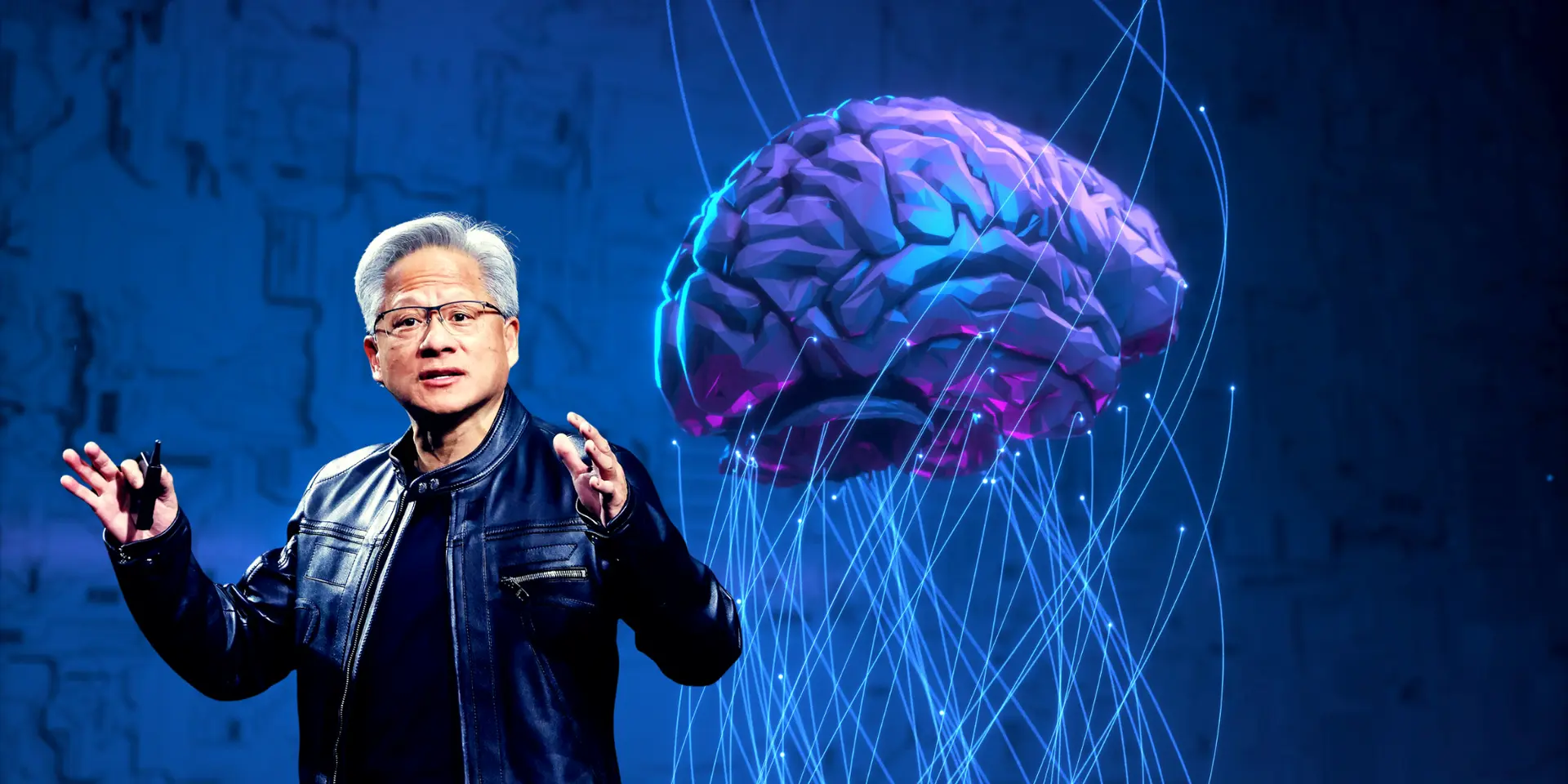

Nvidia CEO Jensen Huang recently asserted that artificial intelligence is poised to generate more millionaires in just five years than the Internet managed in its first twenty. Speaking on the All In podcast hosted by Chamath Palihapitiya, Huang described this prediction as a reflection of the transformative speed and scale of today’s AI revolution.
AI as “The greatest technology equalizer”
Huang called AI the “greatest technology equalizer of our time,” arguing that it democratises innovation by lowering previously insurmountable barriers—especially programming. According to him, people no longer need to master languages like C++ or Python; instead, they can simply describe their ideas in natural language, and AI will bring them to life.
Creativity meets automation
“Everybody is a programmer now; everybody is an artist now; everybody is an author now,” Huang declared. He explained that AI has erased the gap between ideation and creation, enabling small teams and individuals to generate enterprise‑level value in record time.
The two‑factory model
Huang envisions a future where every company operates two “factories”: one physical and one digital. For instance, Tesla builds cars in one facility and develops the AI that powers them in another. He predicts this model will become standard across industries, not just in tech . Moreover, Huang noted Nvidia’s plan to build roughly $500 billion worth of AI supercomputers in Arizona and Texas over four years, infrastructure he believes will drive trillions in economic value.
High leverage from small AI teams
Referencing companies like OpenAI and DeepSeek, Huang highlighted the outsized impact of compact, high‑skilled teams. According to him, a team of 150 AI researchers can generate $20–30 billion in value, which equates to roughly $200 million per person—unprecedented leverage in business history.
Job creation vs job displacement
Although Huang acknowledges concerns about job losses to automation, he framed AI as a net job creator. “AI in my case is creating jobs,” he asserted, noting that it spurs demand by enabling the creation of products that others will buy. Still, he warned bluntly: "anybody who is not using AI is going to lose their job to somebody with knowledge of AI".
Nvidia’s internal culture reflects the message
Huang revealed that at Nvidia, every software engineer and chip designer is supported by AI tools, enabling the company to prototype faster and innovate more. He also claimed to have created more billionaires on his management team than any other CEO—built on small, powerful teams harnessing AI’s leverage.
Broader implications
- Democratizing Wealth: Huang argues that AI eliminates traditional gatekeeping in coding and creativity, opening doors to wealth creation for a much broader population.
- Economic Acceleration: The speed of change in AI dwarfs the internet boom. Huang’s timeline suggests unprecedented opportunity and disruption.
- Skills as Survival: Familiarity with AI is fast becoming a baseline requirement in the modern workplace.
- Equity and Risk: While AI may generate vast wealth, concerns about inequality and job displacement remain persistent among analysts and policymakers .