



Chinese AI rivals are forcing OpenAI and Anthropic to cut prices
Cost-conscious demand and rising competition from China are pushing US AI leaders to lower API rates while protecting premium tiers.

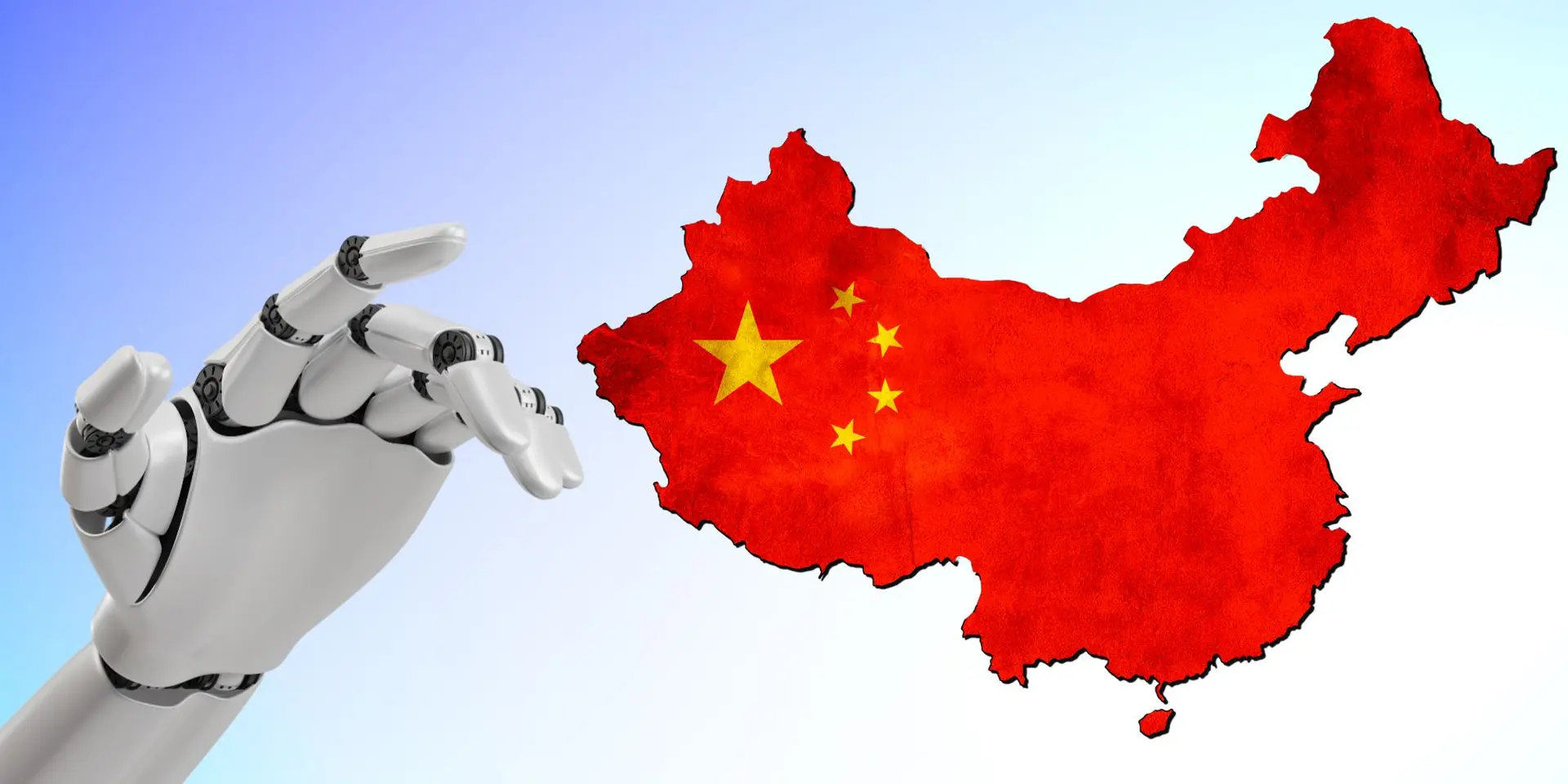

AI models are getting cheaper, and the competition is getting tougher. OpenAI and Anthropic are reportedly cutting model prices as businesses become more careful about AI spending and lower-cost Chinese alternatives gain ground.
The shift is turning AI pricing into a bigger competitive battleground, with companies comparing not just model quality but also the cost of running AI at scale.
Why AI models are getting cheaper
Enterprise AI spending is entering a more disciplined phase. Companies that once experimented freely with AI are now moving more workloads into production and closely tracking the cost of every request.
At the same time, Chinese AI developers such as Moonshot AI and DeepSeek are offering increasingly capable models at lower prices. This is giving businesses more options when they evaluate models for coding, customer support, research and other everyday workloads.
The result is growing pressure on US AI companies to compete on price as well as performance.
OpenAI and Anthropic rethink pricing
According to reporting cited by Sri Lanka Guardian, OpenAI has cut the price of GPT-5.6 Luna by 80%, from $1 to $0.20 per million input tokens and from $6 to $1.20 per million output tokens.
Anthropic has also introduced Claude Opus 5 at $5 per million input tokens and $25 per million output tokens. The company reportedly positioned it at half the price of its top-end Fable 5 model and cancelled a planned September price increase for Sonnet 5.
These changes reflect a broader effort by AI companies to make advanced models more accessible to customers that are increasingly comparing providers on cost.
Chinese AI adds pressure
The pricing shift comes as Chinese AI companies gain more attention outside China. Lower-cost models are increasingly being evaluated alongside their US counterparts, particularly for workloads where businesses do not necessarily need the most powerful model available.
The report notes that companies including DoorDash and Airbnb have tested Chinese-made models as part of efforts to control AI costs. Even when these models do not replace US systems completely, their presence gives enterprise buyers more negotiating power.
For AI companies, that could make retaining customers increasingly dependent on both performance and economics.
The cheapest model is not always the cheapest option
Lower token prices do not automatically translate into lower overall costs. A more capable model may complete a task with fewer tokens, require fewer retries or produce a usable answer more consistently.
Some AI systems also allow users to adjust reasoning or effort levels, which can change the amount of computing used for each request. For businesses, the more useful metric is therefore cost per successful task rather than simply the price per million tokens.
Teams comparing models should test them against their own workloads and consider accuracy, latency, token consumption and reliability alongside headline pricing.

What the price war means for AI
The latest cuts suggest that AI pricing is becoming an important part of the competitive race. US companies are facing pressure from cheaper Chinese alternatives while still trying to fund the enormous computing costs required to develop and operate advanced models.
For customers, the trend could be positive. More competition could mean lower prices, more model choices and greater flexibility in how businesses deploy AI. The bigger question is whether these lower prices can be sustained.
As AI usage continues to grow, companies will have to balance cheaper access with the high infrastructure costs behind every model response. For now, the AI race is no longer just about building the smartest model. It is increasingly about delivering useful intelligence at a price businesses are willing to pay.