



Anthropic Co-founder Warns of Massive AI Job Disruption Ahead
Anthropic co-founder Christopher Olah warned that AI could displace large amounts of human labour during a Vatican gathering on technology and ethics.

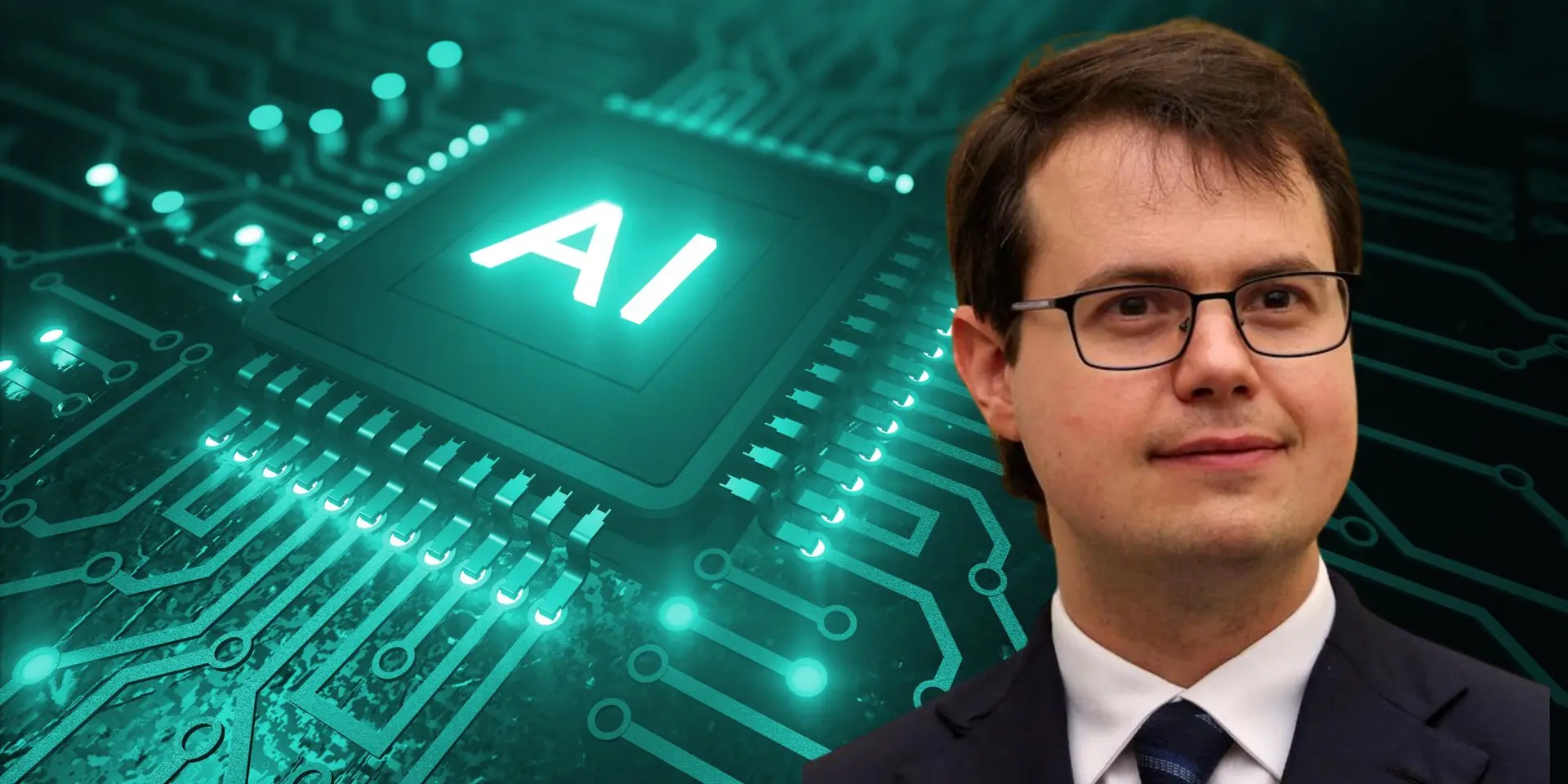

The AI debate has officially entered one of the world’s oldest institutions. At a major gathering in Vatican City on 25 May 2026, Christopher Olah warned that artificial intelligence could eventually displace human labour on a massive scale if safeguards fail to keep pace with technological progress.
The remarks came during the unveiling of Magnifica Humanitas, a new encyclical from Pope Leo XIV focused on protecting human dignity and preventing excessive concentration of digital power. The moment reflected how rapidly concerns about AI and employment have moved beyond technology circles into politics, ethics, and global public debate.
AI job fears are becoming more mainstream
Olah reportedly argued that advanced AI systems may soon automate large portions of work previously dependent on human labour. He stressed that supporting workers through such disruption would become a moral responsibility if adoption accelerates quickly.
Importantly, he also acknowledged the pressures driving AI development itself. According to Christopher, frontier AI companies operate inside an environment shaped by commercial competition, geopolitical rivalry, investor expectations, and personal ambition.
That reality, he suggested, makes external oversight increasingly important. Conversations are moving away from whether AI will affect employment toward how large and how fast the disruption could become.
The Vatican’s concern goes beyond technology
The Vatican’s involvement signals that the AI debate is no longer being framed purely as an engineering or business issue. Magnifica Humanitas reportedly calls for stronger oversight of AI systems, greater transparency around their development, and safeguards against a small number of companies controlling critical digital infrastructure.
By presenting the encyclical alongside a leading AI figure, the Vatican appeared to emphasise that AI decisions are fundamentally tied to human dignity, economic stability, and social cohesion.
Their concerns echo broader global anxieties about the concentration of power inside the AI industry, where a small group of companies currently controls much of the world’s advanced AI infrastructure, computing resources, and model development.
The workplace is already beginning to change
Inside the technology industry, there is growing acceptance that entry-level and highly repetitive tasks are most vulnerable to automation first. AI tools are increasingly handling drafting, summarisation, coding assistance, customer support, scheduling, and data analysis tasks that previously formed part of junior-level workflows.

That does not necessarily mean entire professions disappear immediately. In many cases, the near-term impact may involve task reallocation rather than full job replacement. Human workers may increasingly focus on judgment, client relationships, decision-making, and accountability while AI handles procedural or repetitive work.
But that transition could still reshape career structures significantly. One concern is that automation may narrow the traditional entry paths younger workers use to gain experience and build expertise over time.
A warning, not a prediction
Olah’s comments were not presented as a certainty that mass unemployment is inevitable. Rather, the message was that the pace of AI adoption could outstrip society’s ability to adjust if safeguards and support systems are not built early enough.
The debate now facing governments, companies, and workers is whether institutions can manage that transformation before the disruption arrives faster than expected.