



Bill Gates calls for taxing AI, reserving some jobs for humans
Microsoft co-founder Bill Gates urges governments to tax AI and robots, protect selected human jobs, and build new safeguards before AI-driven disruption outpaces society’s ability to adapt.

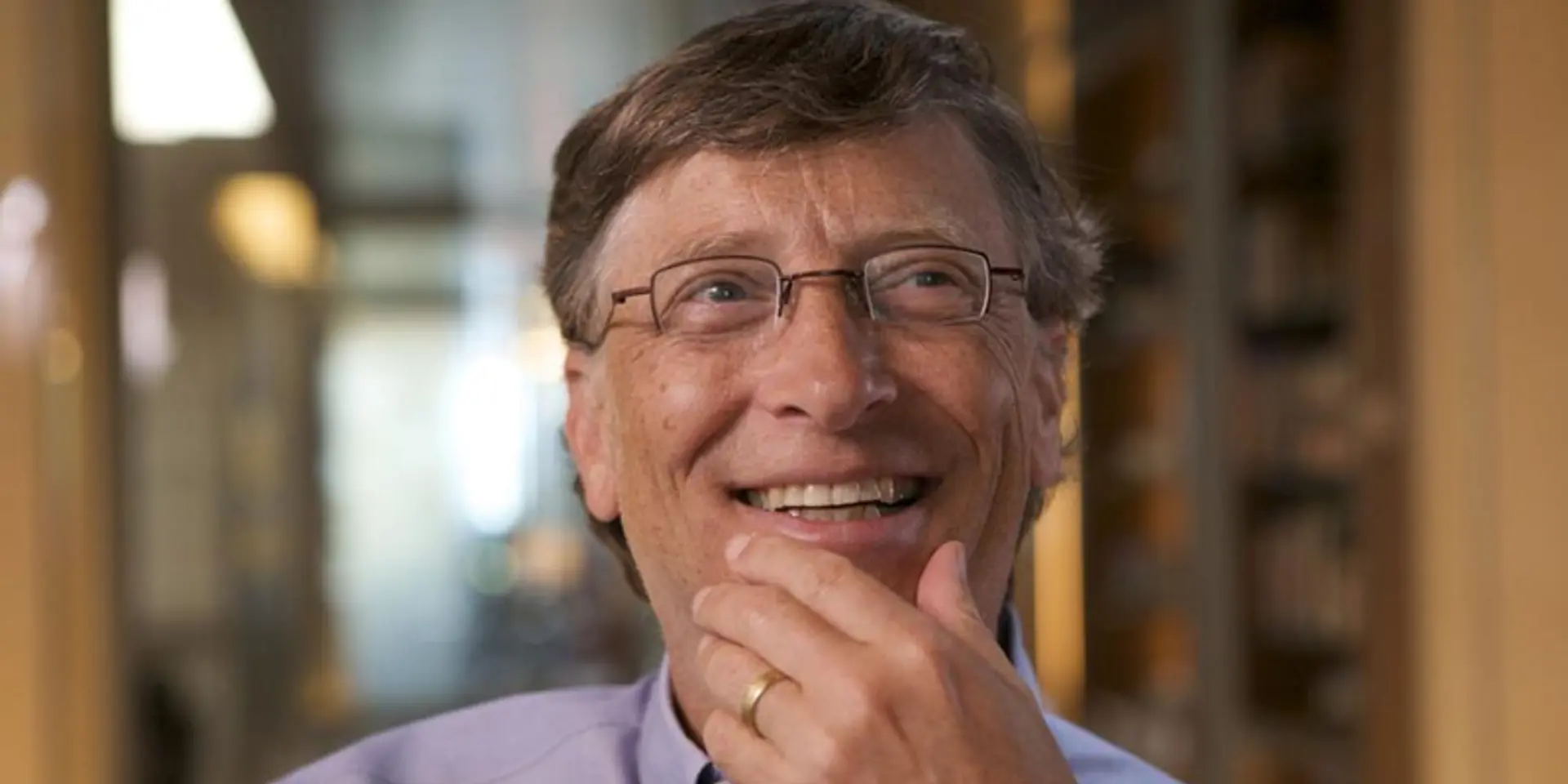

Microsoft co-founder Bill Gates has called for governments to take concrete steps to manage the upheaval caused by artificial intelligence, saying that they should tax AI and robots, strengthen support for displaced workers and deliberately set aside some jobs for humans.
His proposals come as AI advances rapidly and begins to take on tasks once considered dependent on human judgement. Gates warns that governments are not preparing quickly enough for a technology that could reshape employment, public services, security and everyday life.
One of his recommendations is simple: “I believe we should tax AI tokens and robots.”
Gates notes that the current tax system can encourage businesses to replace workers with machines. Employers generally pay payroll taxes when they hire people, while robots can often be treated as a business expense. A targeted tax on AI and robots, he says, could slow the shift away from human labour while raising money for retraining and a stronger social safety net.
He also wants society to decide that some work should remain human-led, even when machines become technically capable of doing it.
Gates calls this idea “Human Reserved”, comparing it with nature reserves where development is possible but deliberately restricted because the cost of losing something important is too high.
The idea is partly rooted in his own experience. Gates says his father, who died of Alzheimer’s in 2020, was cared for by professionals who could understand his needs even when he struggled to express them.
“Something in the care they gave my dad was irreplaceably human. No robot could or should have done it,” he writes.
For Gates, the question is therefore not simply which jobs AI can perform, but which jobs society wants people to continue doing. He suggests that some roles could be protected because replacing them would cause severe economic disruption, while others could remain human because compassion, judgement or personal connection matter more than efficiency.
Education and mental health care, for example, could develop as mixed systems in which humans remain in charge and use AI to extend their abilities.
Gates believes the need for such measures is becoming more urgent because AI could affect many industries at the same time. He expects disruption across law, customer service, medicine, software and manufacturing, with entry and mid-level workers particularly exposed. Jobs in sales, customer support, software engineering and paralegal work could be among those affected first, while AI could increasingly take on tasks such as data analysis, loan assessments and patient triage.
Robots could widen the disruption. Gates sees increasingly capable machines will eventually compete with people in physical work, including construction and hospitality. Competition between businesses could accelerate adoption, as companies that cut costs with AI and robots put pressure on rivals to follow.
The result, he warns, could be a fundamental change in how societies think about employment and economic security. “Waiting until people are already displaced or underemployed will be too late,” Gates writes.
He is also calling for a new national and international system to govern AI. Existing institutions were not designed for a technology that can simultaneously affect employment, education, taxation, energy, elections, healthcare, national security and other areas. Gates says governments will need stronger coordination, while countries will also have to co-operate across borders, including the US and China.
At the same time, Gates explains that the benefits of AI could be enormous. It could accelerate scientific research, improve healthcare, help farmers in low-income countries, make government services easier to access and give individuals and small businesses capabilities that currently require expensive professional support.
His argument is ultimately less about stopping AI than deciding how its gains are shared. “AI will either be the greatest equalizer ever invented, or the worst source of injustice,” Gates writes.
Gates says the choices must be made before the disruption becomes harder to manage.
“This unprecedented technology demands an unprecedented global response,” Gates notes, adding that the debate cannot be left to technology companies alone.
(This article has been updated.)