


How a 'Coder Village' in China quietly sparked an AI gold rush
Liangzhu, A Hangzhou Suburb, Is Now China’s AI Brainhub—Where Drones Hover Over Code Sprints And Backyard Pitches Are The New Normal.

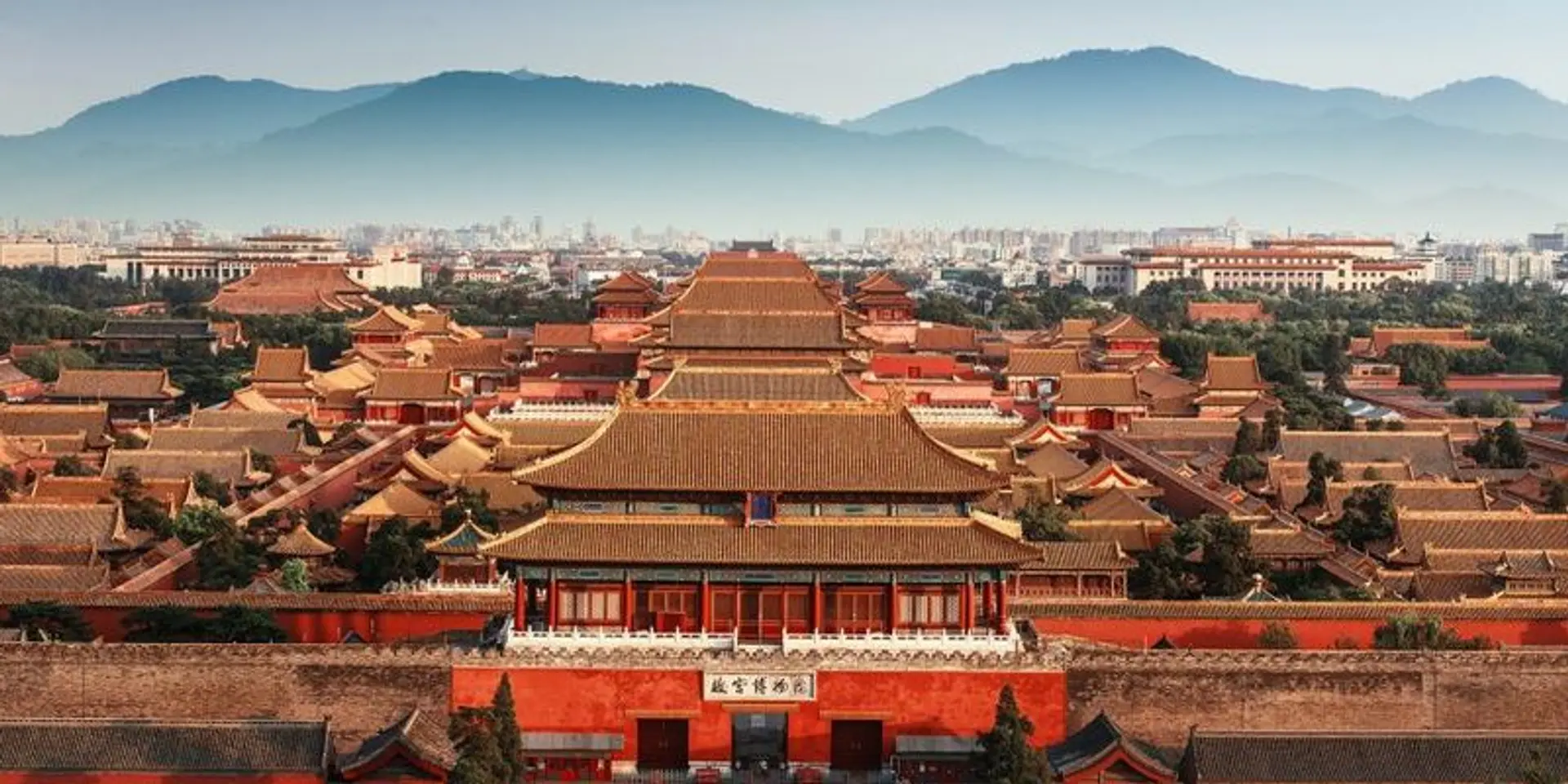

Hangzhou’s Liangzhu district, once known primarily for its cultural heritage, is gaining attention as a weekend destination for developers and early-stage artificial intelligence ventures.
Over the past few years, Liangzhu has attracted a growing number of young technologists and former employees of large Chinese tech firms. On weekends, informal meetups and prototype showcases have become common, often organised by individuals such as Felix Tao, a former engineer at Alibaba and Facebook. These events blend aspects of networking, technical discussion, and early product ideation.
State support and cost advantages
The shift to Liangzhu is partly driven by economics. Local authorities in Hangzhou have promoted the area as an innovation zone, offering tax incentives, subsidised coworking spaces, and startup grants. Rents remain relatively low compared to Beijing and Shanghai, lowering the barrier to entry for developers and small teams.
This combination of policy support and lower costs has encouraged some early-stage founders to relocate. Many of them operate in a grey area—waiting out non-compete periods or transitioning from previous roles in large tech firms—while using the time to develop new ideas.
Concentration of AI and robotics companies
Liangzhu’s rise coincides with Hangzhou’s broader emergence as a base for artificial intelligence and robotics firms. Among the more prominent names is DeepSeek, an open-source AI project aiming to compete with international models on performance and accessibility.
Alongside DeepSeek are companies such as Unitree, known for its robotics products, and Game Science, the developer behind the game Black Myth: Wukong. These firms are part of what Chinese media refers to as the “Six Tigers” of Hangzhou—six companies identified as high-growth players in AI, robotics, and digital entertainment.
Regulatory landscape and funding concerns
While the local ecosystem benefits from government incentives, some founders report complications when engaging with foreign investors due to regulatory sensitivities. The long-term impact of these constraints remains unclear, but for now, many startups appear focused on product development and technical progress over funding milestones.
Liangzhu’s AI activity remains largely informal and decentralised, shaped by a mix of policy incentives, peer networks, and cost-driven relocation. Whether this model can scale or attract sustained global interest is yet to be seen.