



DeepMind unveils Genie 3, advancing AGI world modelling
Genie 3 is a general-purpose AI model by Google DeepMind that generates real-time, interactive 3D environments using prompt-based input.

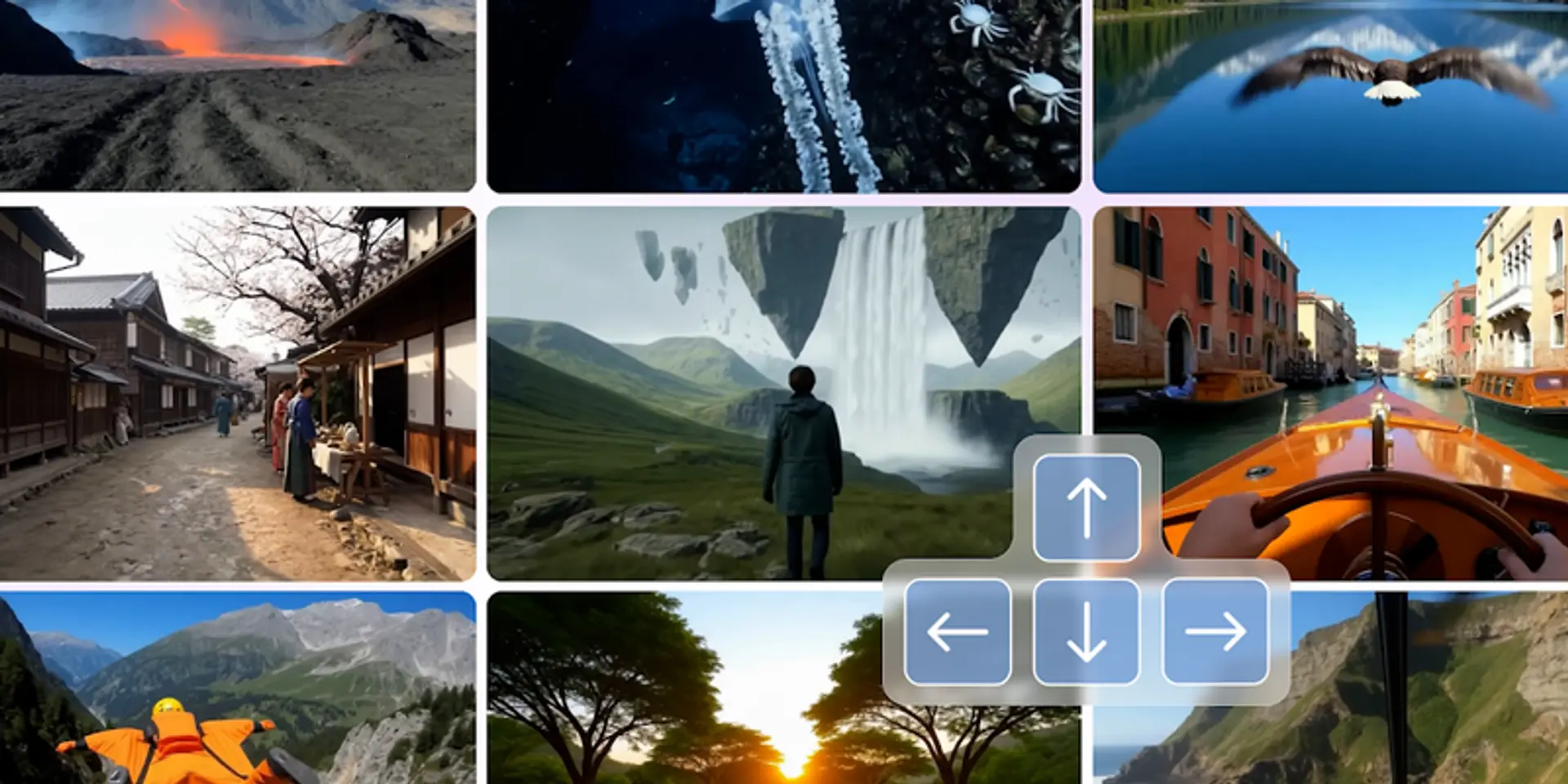

Google DeepMind has introduced Genie 3, a new version of its general-purpose AI world model designed to generate interactive 3D environments from minimal input. According to the company, the model can produce extended video sequences and respond to user prompts in real time, offering potential applications in research and simulation.
Genie 3 builds on earlier work in generative video modelling by increasing the duration, resolution, and interactivity of AI-generated environments. The model generates output at 720p resolution and 24 frames per second, which is a notable extension compared to previous versions that were limited to short clips.
DeepMind states that the model maintains object consistency and spatial memory over longer periods of time, even when elements are outside the user’s immediate view.
Designed for research and controlled testing
The release of Genie 3 is currently limited to a research preview, available only to selected academic and creative partners. DeepMind has indicated that the rollout is intended for research and testing purposes, with access restricted due to ongoing work around safety, ethics, and technical validation.
The model uses a three-part architecture comprising a video tokenizer, latent dynamics engine, and a rendering module. This setup is designed to simulate interactions in real time and modify environments based on user inputs, such as introducing characters or changing environmental conditions.
DeepMind has described Genie 3 as a tool for generating “promptable world events”, although the scope and accuracy of such features are subject to further review as the model undergoes additional evaluation in controlled settings.
Potential applications in simulation and training
While not available for commercial or open use, DeepMind has outlined potential areas where Genie 3 could be applied. These include simulated environments for robotics training, interactive learning, and procedural content generation for gaming or design.
Researchers may use the model to create variable, responsive environments that reduce the need for manually curated datasets. The system’s ability to simulate consistent and responsive scenes over longer durations may support the development of autonomous agents that rely on spatial reasoning and environmental awareness.
However, DeepMind has emphasised that Genie 3 is currently intended for experimental use only, with any broader deployment subject to safety and policy frameworks. The company has not announced a timeline for public access or commercial release.
Emphasis on governance and safety
DeepMind has stated that the restricted release is part of its approach to AI governance, which includes oversight around how generative models are tested and deployed. The company said it is collaborating with external institutions to assess the model’s performance and address potential risks, including content safety and fairness.