



Google puts AI sign language translation on Pixel 11
Google DeepMind’s SL2T model brings ASL-to-English sign-to-text features to Gboard and Live Transcribe, with more devices and languages planned.

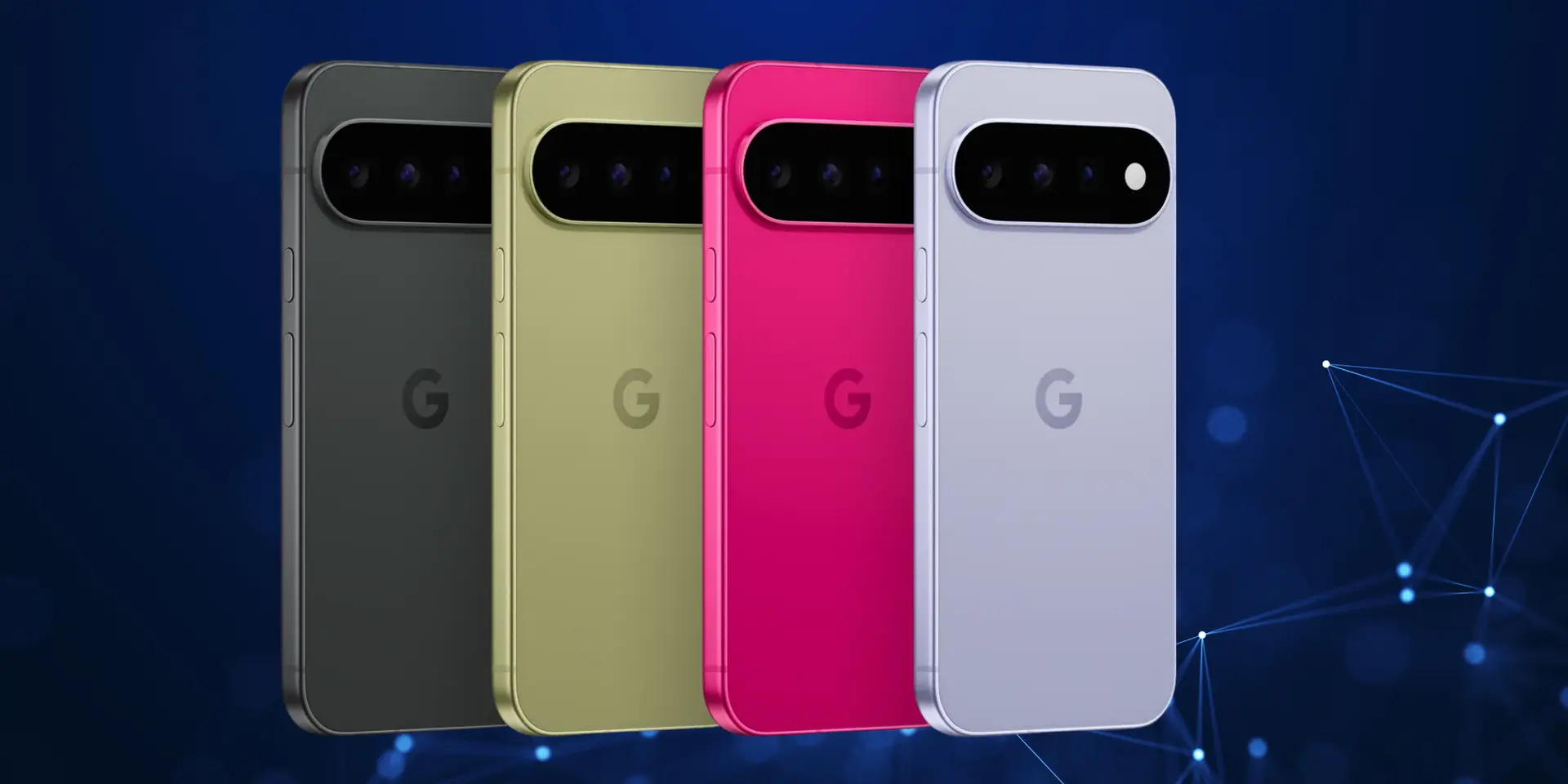

Typing may soon feel less necessary for many Deaf and hard-of-hearing users. Google DeepMind has introduced a new sign-language-to-text model, called SL2T, which powers sign-to-text features on Pixel 11.
The technology is being added to Gboard and Live Transcribe, starting with American Sign Language to English. Google says more devices are coming soon, and support for additional sign languages will follow.
The launch is notable because it moves sign language AI from research settings into consumer products.
Instead of typing a message, search query, document or Gemini prompt, users can sign to their phone in places where they would normally enter text. In Live Transcribe, the feature can also help users sign responses during conversations rather than relying on typed replies.
Why this matters for accessibility
Sign languages are not simply spoken languages performed with the hands. They are independent natural languages with their own grammar, vocabulary and cultural importance. Google notes that there are more than 200 sign languages globally, used by an estimated 70 million Deaf and hard of hearing people.
This makes sign language translation a more complex challenge than speech transcription. Speech-to-text mainly turns spoken sound into written words in the same language. Sign-language-to-text requires machine translation, meaning the system has to understand visual language and convert it into fluent written text.
That visual task is demanding. Sign languages use movements of the hands, arms, torso, head and face at the same time. A useful AI system has to track these movements accurately and interpret how they work together to convey meaning.
How SL2T works on Pixel 11
Google says SL2T was trained on more than 100,000 hours of data across over 50 sign languages, with about a quarter of that data in ASL. Training across different languages, dialects and signing styles helped the model learn broader patterns rather than focusing on only one language.
For privacy, the system does not send raw camera video for translation. An on-device model tracks body pose landmarks, which are points representing the signer’s movement. These geometric coordinates are sent for translation, while the original video can be discarded immediately.
SL2T translates these movement coordinates directly into text. Google says this avoids older approaches that rely on intermediate labels, often called glosses, which can miss important parts of sign language such as facial expression, spatial meaning and non-manual markers.
A careful first step, not the finish line
Google says the model performs strongly on ASL-to-English benchmarks, but it also acknowledges real-world challenges. The team worked on reducing delay, handling one-handed signing, supporting left-handed signers and avoiding incorrect output when someone is not signing.
The company also says Deaf users and experts were involved throughout development, including through testing, data collection, impact assessment and an AI Sign Language Advisory Committee. For now, Pixel 11 users get the first release in Gboard and Live Transcribe at no extra cost.