



Harmonising human insight and AI precision: How collaboration can improve software quality
AI can deliver steady, quick, and accurate checks. It can perform thousands of tests, detect tiny errors that humans might ignore, and warn us of weak points based on the previous data.


In today’s fast-paced world of software development, the meaning of “quality” also keeps changing quite regularly. Just a few years ago, quality meant fewer mistakes, smoother operations and better design. Now, it is a combination of many factors like security, growth, ability, accessibility, and quicker adjustments to user needs.
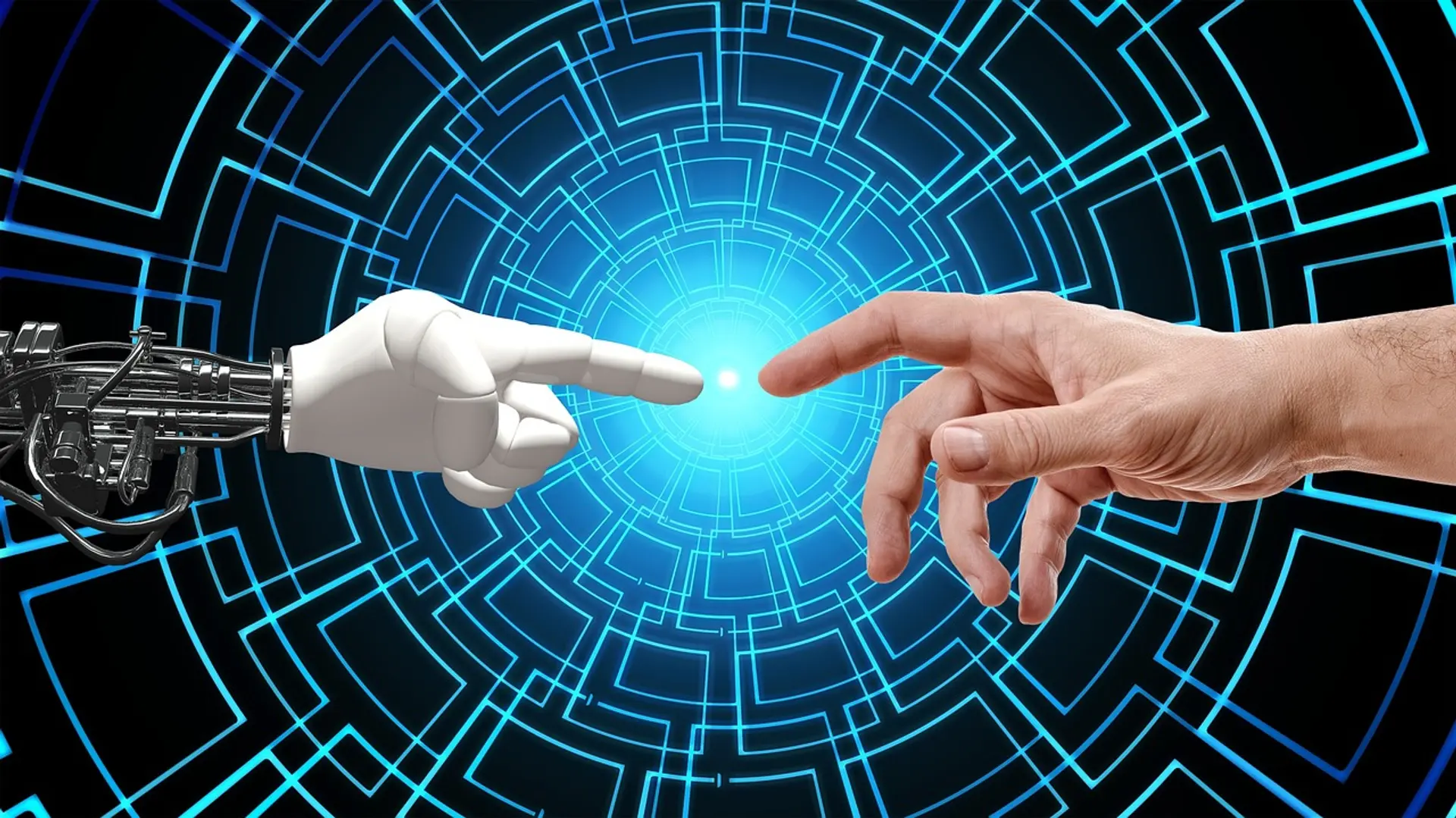
To achieve this, one needs a smoother partnership between human understanding, AI-powered precision, and teamwork that is less about humans competing with machines and more like a lead and band playing together.
Moving from separate tasks to working together
Quality checks were earlier treated as the last step. Developers used to test manually by walking through software paths, detecting bugs, and suggesting fixes. Their skills and gut feelings were valuable, but under pressure, when faster cycles demanded quicker results, the testers used to feel overwhelmed.
AI came along as a non-stop helping hand. It can scan huge amounts of code fast, handle the same repeated jobs, spot unusual things right away, and run many tests beyond human reach. But alone, AI misses some things. It can find patterns but not always understand purpose; it can spot an error but not feel the user’s irritation.
Many teams discovered that AI is not meant to replace human testers but to help them work better and more efficiently.
A story of great cooperation
Imagine a team in a hurry to launch a product, and a bug is creating a last-minute problem, resulting in unsatisfied users. The Quality Assurance team lead then calls for a team meeting, but rather than checking every code line, they use AI tools as smart helpers.
AI then tests many cases, detects security risks and searches for code leading to slower performance. Developers study these results and prioritise user experience issues.
The end? A product that goes out not only faster but also fits user needs better. This smooth collaboration turns a stressful race into a confident, smart release.
What each brings to the table
Human judgement adds to creativity, better understanding, and a sense of context. Humans think about the impact of things on users, and not just what is wrong. They take into account the market changes, cultural differences, and ethical issues.
AI can deliver steady, quick, and accurate checks. It can perform thousands of tests, detect tiny errors that humans might ignore, and warn us of weak points based on the previous data. This frees humans from monotonous jobs and lets them solve bigger problems.
Together, they create something neither could do alone, that is, a product shaped by people’s needs and backed by reliable, automatic checks.
Building a teamwork culture
To enable this blend, companies need to opt for a better approach. It’s time to change the traditional roles where testers become planners who skillfully use AI for quality tests. Learning is a shared journey where teams update AI tools as products change, keeping tech and human judgement together. Clear communication plays a major role as AI’s choices need to be easy to understand so that people can trust its judgement.
Finally, success itself takes on a broader meaning. Success is measured not just by finding bugs but by happy users, stable software, and flexibility.
The mindset of achieving shared goals sets the foundation for a balanced partnership that leverages both human insight and AI accuracy to build outstanding software.
Looking ahead: A perfect partnership
In the future, AI might predict issues before the code is written, while humans will be focused on design, ethics, and new ideas. Quality isn’t supposed to be an alternative between speed and excellence, but a result of working as one.
Just like an orchestra needs both the composer’s idea and the players’ talent, great software also requires human judgement and AI accuracy. When technology and people move together, they build more than just software; they build trust and satisfaction in every user experience.
(Uttsah Sharma is the CEO and Co-founder of Qniverse, a quality assurance company.)
Edited by Kanishk Singh
(Disclaimer: The views and opinions expressed in this article are those of the author and do not necessarily reflect the views of YourStory.)