



Jensen Huang thinks India can build its own AI economy
Nvidia CEO Jensen Huang says India has the talent and potential to become an AI powerhouse, but needs to move faster to build a global AI economy.

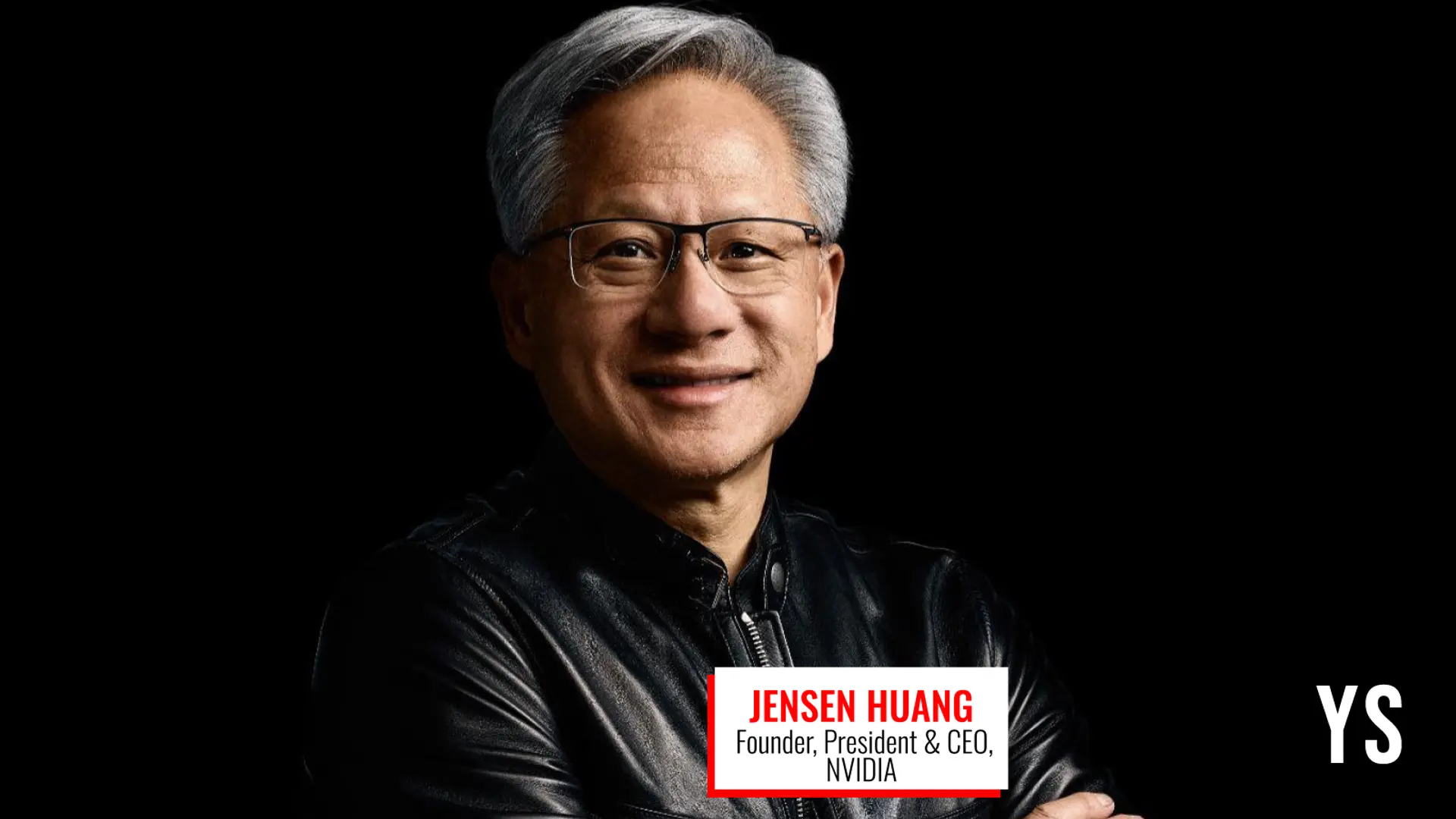

India has the talent. Now it needs to move faster.
Nvidia CEO Jensen Huang says he is excited to see Indian companies and startups build a local AI economy, but believes the country needs to pick up the pace as artificial intelligence reshapes businesses around the world.
“India is one of the world’s leading IT industries, and this is the beginning of a new IT platform,” Huang said.
The message was that the opportunity now is for India to turn that early focus into something bigger.
India has a strong starting point
Jensen said he is “really excited and eager” to see regional companies and startups in India take advantage of AI, contribute to its development and build the local AI economy. That means going beyond simply using AI tools created by companies elsewhere.
Indian businesses have an opportunity to develop models, applications, infrastructure and services for both domestic and global markets. Huang’s description of AI as a “new IT platform” is significant. A technology platform is essentially a foundation that other products and businesses can build on.
The internet and smartphones played that role in previous technology waves. AI could become the next major platform. India already has a large IT industry, a growing startup ecosystem and a huge domestic market.
That gives it a strong base as AI spreads across sectors such as healthcare, agriculture, financial services, education and manufacturing.
AI needs hardware too
India’s AI ambitions are also closely linked to its semiconductor push. The country is trying to strengthen several parts of the technology chain, including chip manufacturing, chip design, research, computing infrastructure and skilled talent.
That matters because advanced AI systems require significant computing power. Nvidia is one of the biggest players in this space, with its chips widely used to train and run AI models. For startups, access to computing can determine how quickly they can train models, test products and scale services.
Building an AI economy, therefore, will require more than software engineers. India will also need data centres, computing capacity, semiconductor capabilities and stronger research institutions.

The real challenge is speed
Jensen Huang’s advice to Prime Minister Modi was direct: “AI is moving fast, so every country has to move faster.” That urgency matters as countries compete to build their own AI capabilities.
India has several advantages, including its software talent, large market, startup ecosystem and growing policy focus on AI and semiconductors. But turning those advantages into a competitive AI economy will require faster execution, affordable computing, skilled engineers and stronger research.
Most importantly, Indian companies will need to move from being users of AI to becoming builders. Huang’s message is ultimately about that shift. India has spent decades building a global reputation in IT. AI could give the country another opportunity to build products, platforms and companies that compete globally.
But the technology is moving fast. And India will have to move faster.