



India’s AI boom is becoming an energy problem, not a tech one
AI is changing India’s data centres, but the biggest challenge is not compute. It is the power and thermal limits. Here's all you need to know!

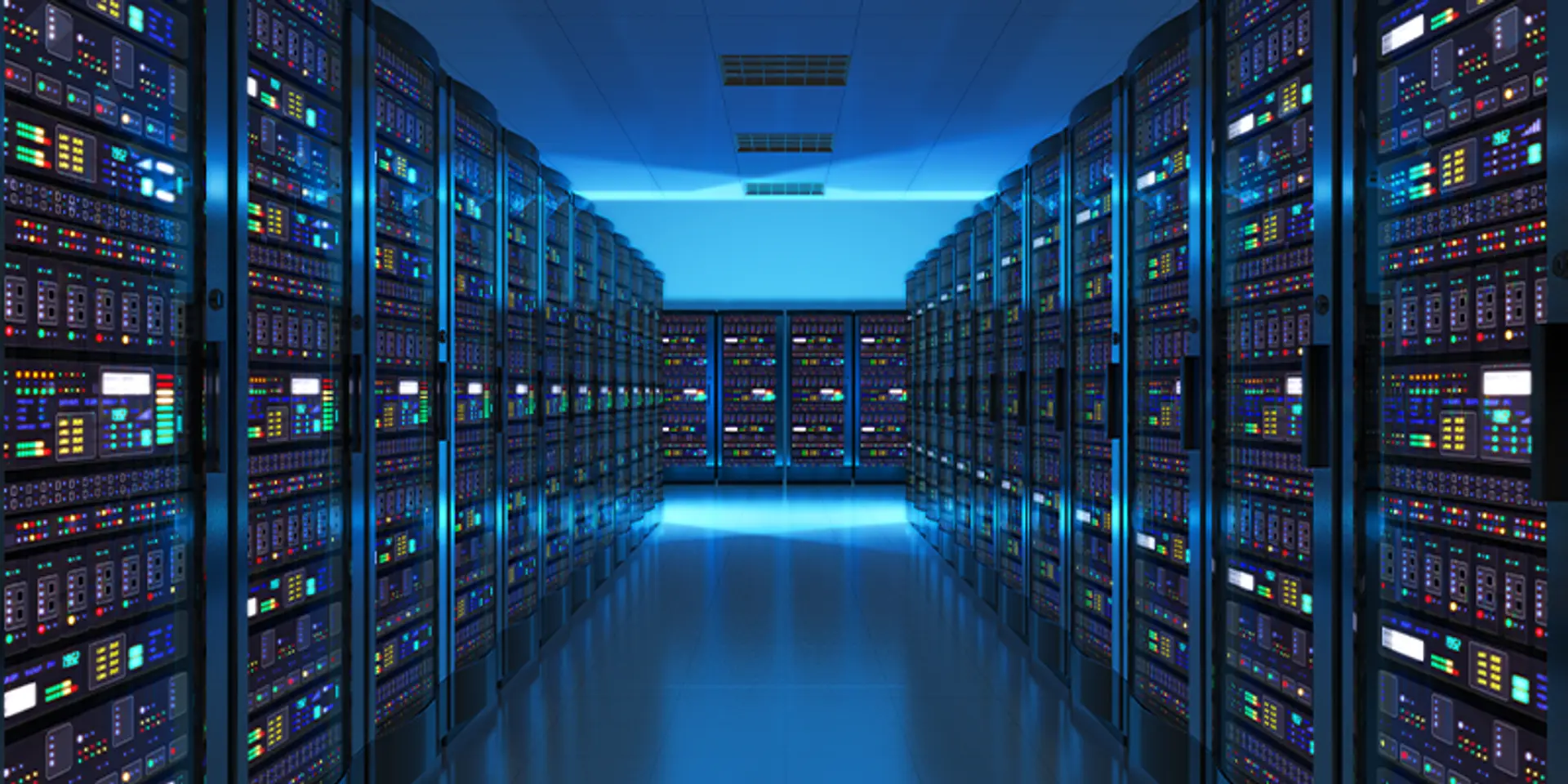

India’s data centre story is changing.
First, the focus was to build more facilities. Now, the question is whether those facilities can actually run AI. As demand for artificial intelligence infrastructure grows, operators are realising that three factors now define the future of data centres: power, cooling, and compute.
These are no longer backend concerns. They are the primary constraints shaping where data centres can be built, how fast they can scale, and how much they cost.
Power is becoming the first real constraint
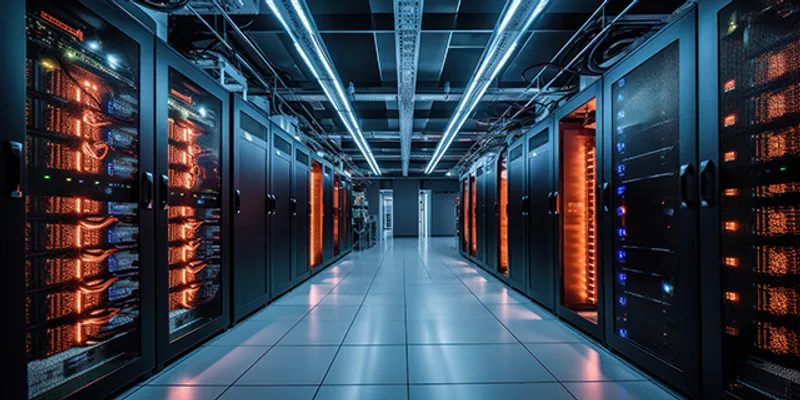
India’s data centre capacity has expanded rapidly. Industry estimates suggest installed capacity crossed 1.5 GW in 2025, with further growth expected through 2026. But adding capacity is no longer just a construction problem. It depends heavily on access to reliable electricity.
Grid connections, substation upgrades, and long-term power agreements are emerging as critical dependencies. Without them, new facilities cannot come online, regardless of demand.
Policy support is strong, with the government positioning India as a global hub for AI and data centres. But the success of that ambition will depend on how quickly power infrastructure can keep up.
Cooling is no longer a design choice
As AI workloads increase, so does heat. Modern GPU clusters, such as those built around high-performance accelerators, generate far more heat than traditional servers. A single rack can now exceed 40 kW, with next-generation systems pushing beyond 50 kW.
This changes everything. Air cooling, which has been the industry standard, is reaching its limits. Operators are now shifting towards liquid-based cooling systems that can handle higher densities more efficiently.
In India, this shift comes with an added challenge. Water availability. Cooling systems require careful planning around water usage, recycling, and efficiency, especially in regions where resources are already under stress. This makes cooling not just a technical decision, but a geographical and environmental one.
Compute demand is reshaping infrastructure economics
The rise of AI has changed how data centres are designed. Compute is no longer evenly distributed. Instead, it is concentrated in high-density clusters powered by GPUs. These clusters demand more power and generate more heat, which directly impacts both infrastructure costs and operational complexity.
This creates a feedback loop. Higher compute density increases power demand. Higher power demand increases cooling requirements. Together, they reshape the cost of running AI workloads.
For operators, this means that the economics of data centres are not defined by land or buildings, but by energy and thermal efficiency.
Operators are adapting to a new reality.
Indian data centre companies are already adjusting their strategies. Yotta Data Services, led by CEO Sunil Gupta, has committed billions of dollars towards building large-scale AI compute hubs. These projects are being designed with integrated planning for power sourcing and cooling from the outset.
Similarly, CtrlS Datacenters, under founder Sridhar Pinnapureddy, is focusing on energy efficiency and renewable integration as key parts of its expansion strategy. The shift is clear. Data centres aren't built first and optimised later. They are designed around AI from day one.
The next phase of India’s data centre growth
The challenge ahead is not small, but it is manageable. Industry experts point to a few clear priorities. Expanding beyond saturated metro regions, improving transmission infrastructure, enabling access to renewable power, and accelerating the transition to liquid-ready designs are all part of the solution. Each of these requires coordination between operators, utilities, and policymakers.
India’s data centre boom is entering a new phase. The constraints are no longer physical space or capital alone. They are power availability, cooling efficiency, and the demands of high-density computing. For AI to scale in India, these 3 elements will need to work together. Because in the AI era, every model starts with electricity and every computation ends with heat.