


Mark Zuckerberg takes aim at rivals' closed AI approach
Why is Mark Zuckerberg calling out closed AI? His latest comments reveal what's really at stake in the AI race.

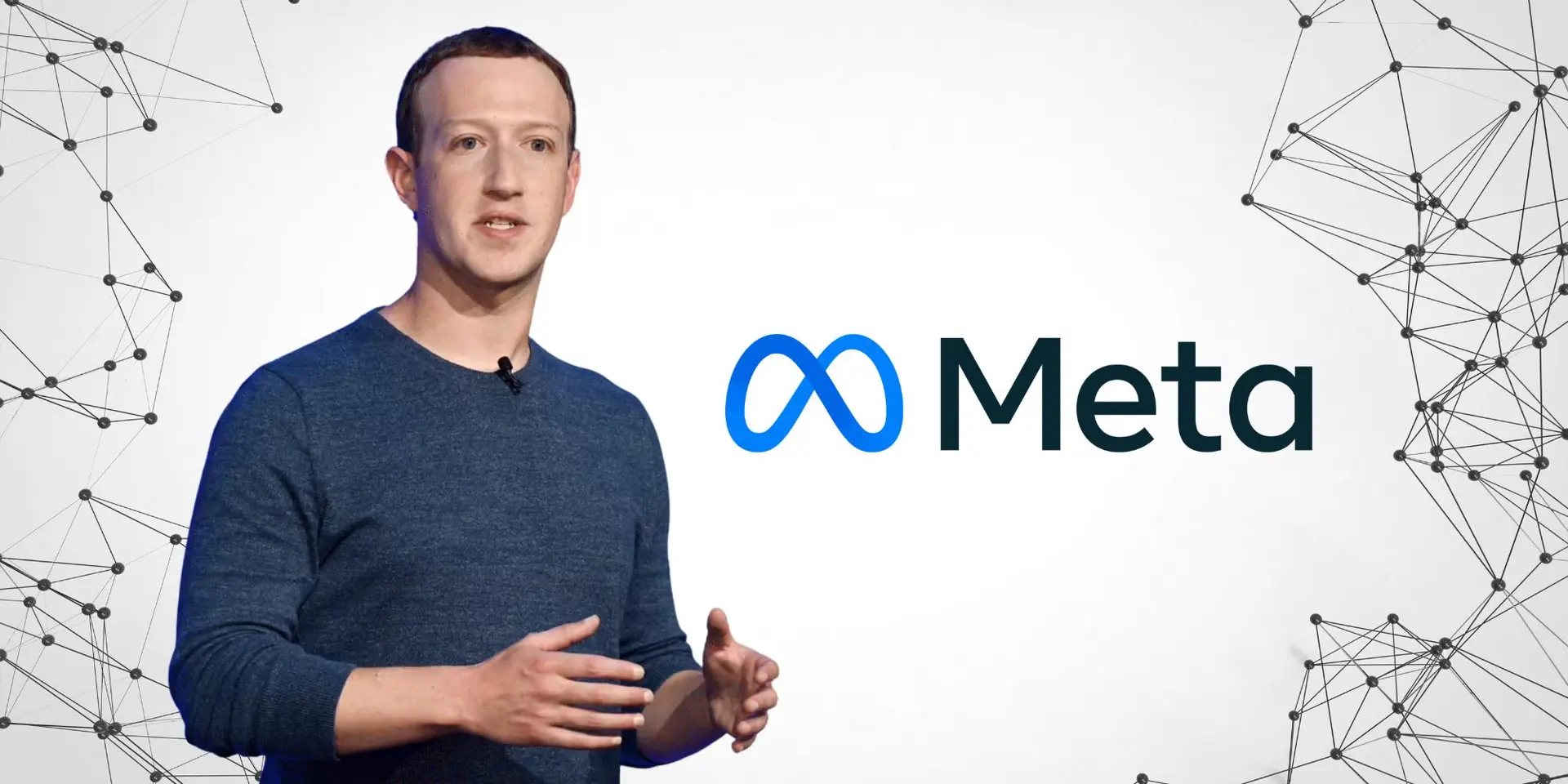

Meta CEO Mark Zuckerberg has criticised companies that favour keeping advanced AI models under tighter control. Speaking in an interview with The New York Times, Zuckerberg argued that limiting AI development to a small group of companies could slow innovation and go against the principles that have shaped the technology industry.
While he did not directly name rivals such as OpenAI or Anthropic, his comments were widely seen as a response to companies that advocate a more cautious approach to releasing powerful AI models.
Why Meta wants AI to be more open
Meta has consistently supported making its AI models more widely available to developers and businesses.
Supporters of open AI believe broader access encourages innovation, increases transparency and reduces dependence on a handful of companies.
Mark argued that the AI industry needs more practical discussions rather than focusing only on worst-case scenarios. He also said AI should not be controlled by a central authority deciding how it should be used.
Instead, he supports what Meta calls "personalised superintelligence", where AI systems can be tailored to individual users and their needs.
The industry remains divided
Not everyone agrees with Meta's approach. Anthropic has repeatedly argued that advanced AI systems need stronger safeguards before they are released more widely. Its CEO, Dario Amodei, has spoken about the importance of alignment, which means ensuring AI systems behave according to human intentions.
OpenAI has also emphasised AI safety while supporting responsible open-source development. The broader discussion now centres on how to balance innovation with security as AI systems become increasingly capable.
The debate is reaching Washington
The conversation is not just limited to technology companies. AI leaders, including Jensen Huang and Sam Altman, have recently discussed AI policy with US lawmakers. Some industry leaders argue that open AI can strengthen innovation and competition, while policymakers continue to examine how to reduce security risks and prevent misuse.

What's at stake
Zuckerberg's remarks show a growing divide across the AI industry. One group believes wider access to AI will speed up innovation and benefit more people. Another believes powerful AI should be released more carefully, with stronger safeguards in place.
The outcome of this debate could shape how future AI models are developed, who can use them and how quickly new technologies become available. As AI continues to evolve, the balance between openness and safety is likely to remain one of the industry's biggest questions.