



Mark Zuckerberg unveils Meta Compute as AI infra push gathers momentum
The Meta Compute initiative will focus on building massive compute capacity as demand for advanced artificial intelligence grows.

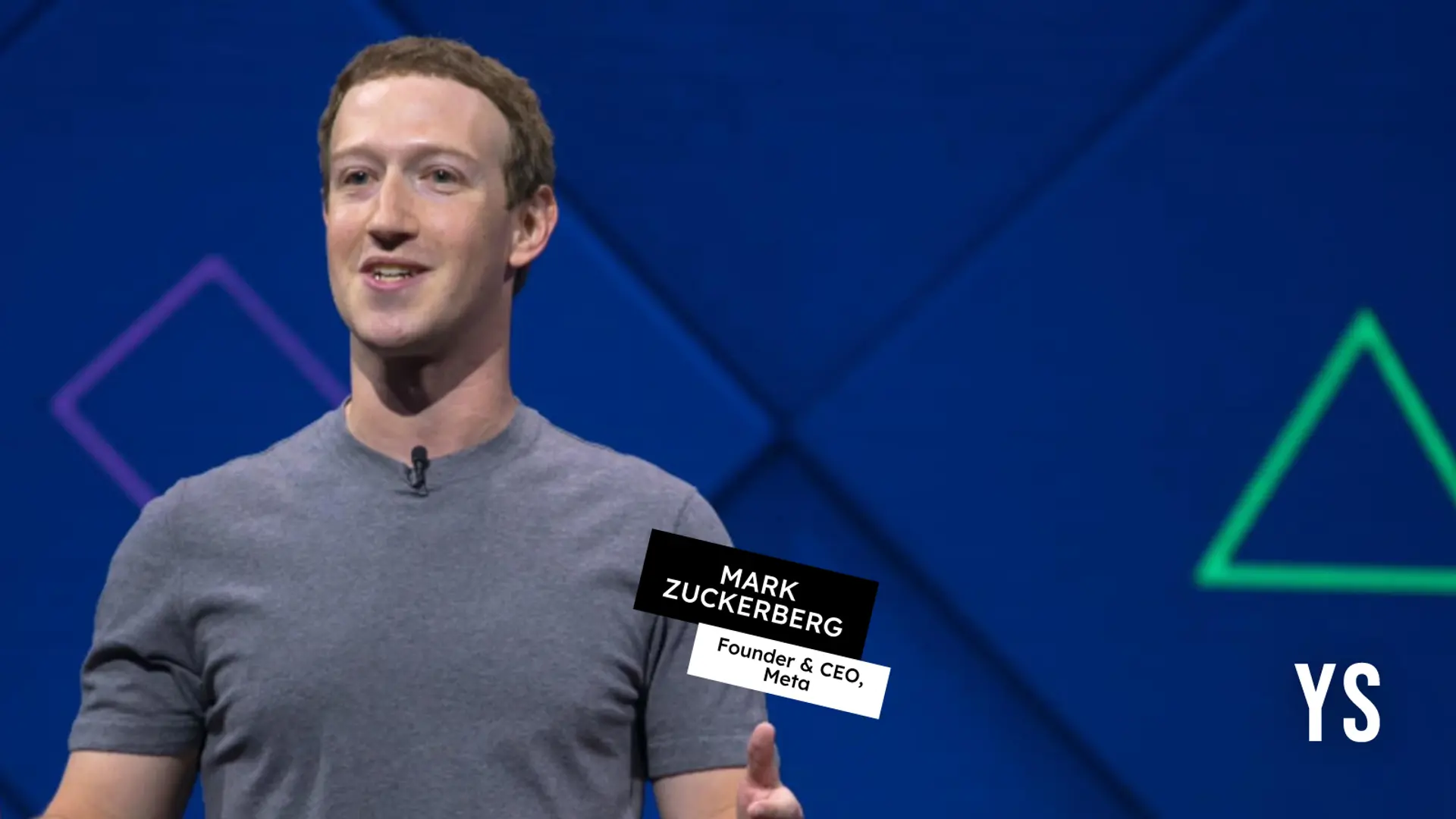

Mark Zuckerberg has announced a major new infrastructure push at Meta with the launch of a top-level initiative called Meta Compute.
The move, revealed in a Threads post, outlines plans to build what Zuckerberg described as “tens of gigawatts” of computing capacity during this decade and to scale to “hundreds of gigawatts or more over time” as demand for advanced artificial intelligence (AI) grows.
Meta Compute will be run by two senior executives. Santosh Janardhan will continue to lead the company’s technical architecture and software stack, as well as its silicon programme, developer productivity efforts, and the operation of Meta’s global datacentre fleet and network. Daniel Gross will head a new team responsible for long-term capacity strategy, supplier partnerships, industry analysis, planning and business modelling.
The Meta chief noted that the reorganisation is intended to turn the engineering and investment choices behind large-scale compute into a strategic advantage.
The announcement comes alongside the appointment of Dina Powell McCormick as President and Vice Chairman. Zuckerberg said Powell McCormick would focus on partnering with governments and sovereigns to build, deploy, invest in, and finance the company’s infrastructure.
Meta’s blog notes that Powell McCormick had previously served on the company’s board and has been deeply involved in Meta’s acceleration on frontier AI. Her arrival underlines the corporate priority on securing political and financial partnerships for an expensive build-out.
The Meta Compute launch is the latest development in a period of intense and costly investments by Meta into AI and the facilities that power it. In recent months, the company has emphasised that proprietary compute will be essential to its ambitions for large language models and for what Zuckerberg calls "personal superintelligence" for billions of people around the world.
Experts have noted that such a push requires vast capital, complex supply chains, and significant energy procurement. Multi-billion dollar projects and financing arrangements to support such a drive have already been discussed.
Any company building tens of gigawatts of capacity has to contend with energy sourcing, chip supply, and long lead times of data centre construction. Public-private relationships are also vital, since many of the projects depend on local approvals, grid connections, and financing from governments or sovereign investors.
In a related move that underscores the scale of its ambitions, Meta last week unveiled major nuclear energy projects in the United States to support its expanding AI infrastructure. The company has signed agreements with energy providers including Vistra, TerraPower and Oklo, and these are expected to deliver up to 6.6 gigawatts of clean, reliable nuclear power by 2035.
Meta noted that these deals will strengthen energy grid reliability and support American leadership in AI innovation by providing the steady power required for its data centres and AI workloads.
Edited by Swetha Kannan