



Meesho says over 70% of its code is now AI-generated
Meesho says over 70% of its code is now AI-generated as the ecommerce platform uses AI to speed up engineering and product releases.

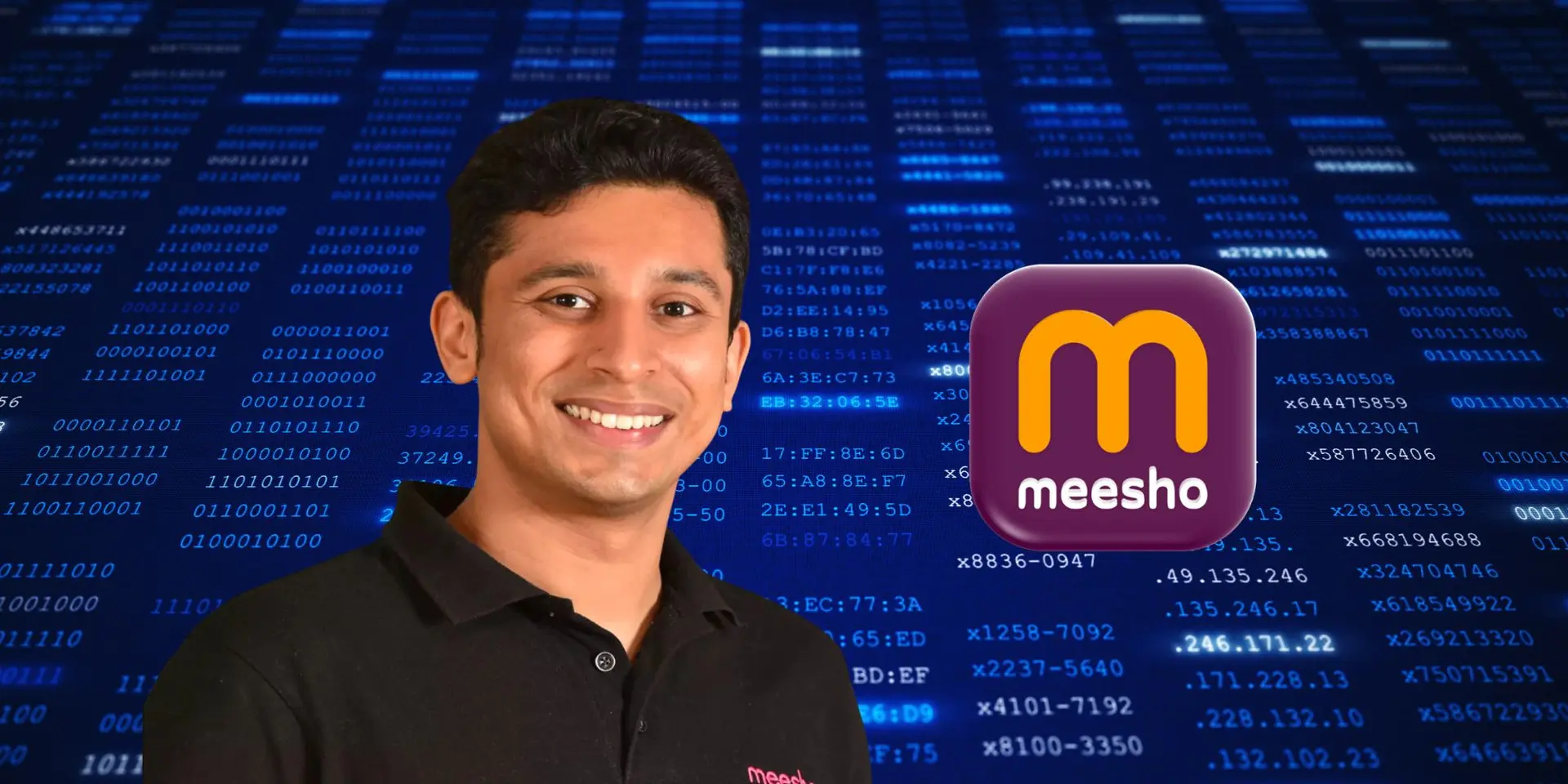

Meesho is letting AI handle a major part of its engineering work. The e-commerce platform said on 7 May 2026 that more than 70% of its code is now generated using artificial intelligence tools.
The update came through founder and CEO Vidit Aatrey’s annual shareholder letter, released alongside the company’s Q4 FY26 results. The company says the shift is helping teams release products faster, improve software reliability and run more experiments at scale.
AI now powers engineering workflows
According to Meesho, AI has now been embedded across almost the entire software development lifecycle. The company says AI systems assist engineers with coding, test-case generation, reviews, deployment fixes and production monitoring.
Aatrey described AI as becoming the operating system for how Meesho builds products internally. The company also noted that experiments conducted on the platform during the March quarter doubled year on year, indicating a much faster pace of iteration across teams.
Meesho’s management said the long-term goal is to move closer to an autonomous development workflow where AI systems handle repetitive engineering tasks while human teams focus on product direction and decision-making.
Faster releases without cutting teams
The company says the transition is focused on speed rather than cutting jobs. Chief financial officer Dhiresh Bansal said AI is helping the organisation execute a larger number of initiatives simultaneously by removing engineering bottlenecks that previously slowed releases and testing cycles.
Management added that AI-assisted workflows are allowing teams to move from idea to deployment more quickly while improving debugging and monitoring capabilities during production.
Voice commerce gains early traction
Meesho is also expanding AI deeper into the customer experience. The company highlighted strong early traction for Vaani, its voice-led shopping assistant, which reportedly crossed 1.5 million users within its first month.
According to Meesho, users who interacted with Vaani showed a 22% improvement in conversion rates. Recommendation systems are becoming increasingly important as well. Meesho said AI-personalised feeds now influence more than 75% of orders placed on the platform, making machine learning central to product discovery and customer engagement.
AI tackles Bharat's e-commerce problems
The company says AI is being used beyond recommendations and shopping interfaces. Meesho highlighted deployments across vernacular address parsing, fraud detection, logistics planning and automated customer support.
These systems are aimed at solving operational challenges that are particularly common in India’s e-commerce market, especially among first-time internet users and customers from smaller towns. The company says improving delivery accuracy and simplifying support workflows remain major priorities as it expands deeper into Bharat-focused commerce.

In-house AI stack cuts costs
Meesho also pointed to infrastructure savings from its AI investments. According to the company, its in-house AI infrastructure stack has lowered inference and AI workload costs compared with equivalent cloud-based services.
That has allowed the company to scale experiments while maintaining tighter control over operational spending. The AI push comes alongside improving financial performance. For the quarter ending March 2026, Meesho reported a 47% year-on-year rise in revenue from operations to Rs 3,531 crore, while net losses narrowed to Rs 166.3 crore.
Why Indian startups are watching
The scale of Meesho’s AI adoption is likely to attract attention across India’s startup ecosystem. While global technology firms have increasingly spoken about AI-generated code, Meesho’s disclosure offers one of the clearest examples yet of a major Indian internet company embedding AI deeply into engineering, operations and customer workflows simultaneously.
Founded by Vidit Aatrey and Sanjeev Barnwal, the SoftBank-backed platform is increasingly positioning AI as a core operating layer behind its e-commerce business. The broader signal for Indian startups is becoming difficult to ignore: AI is rapidly shifting from an experimental productivity tool to a foundational part of how internet companies build, test and scale products.