



Meta AI device Muse Charm brings its agent to your pocket
Meta AI device Muse Charm is a palm-sized gadget designed to give users quicker access to the Muse personal AI agent, with more product details expected before its planned holiday rollout.

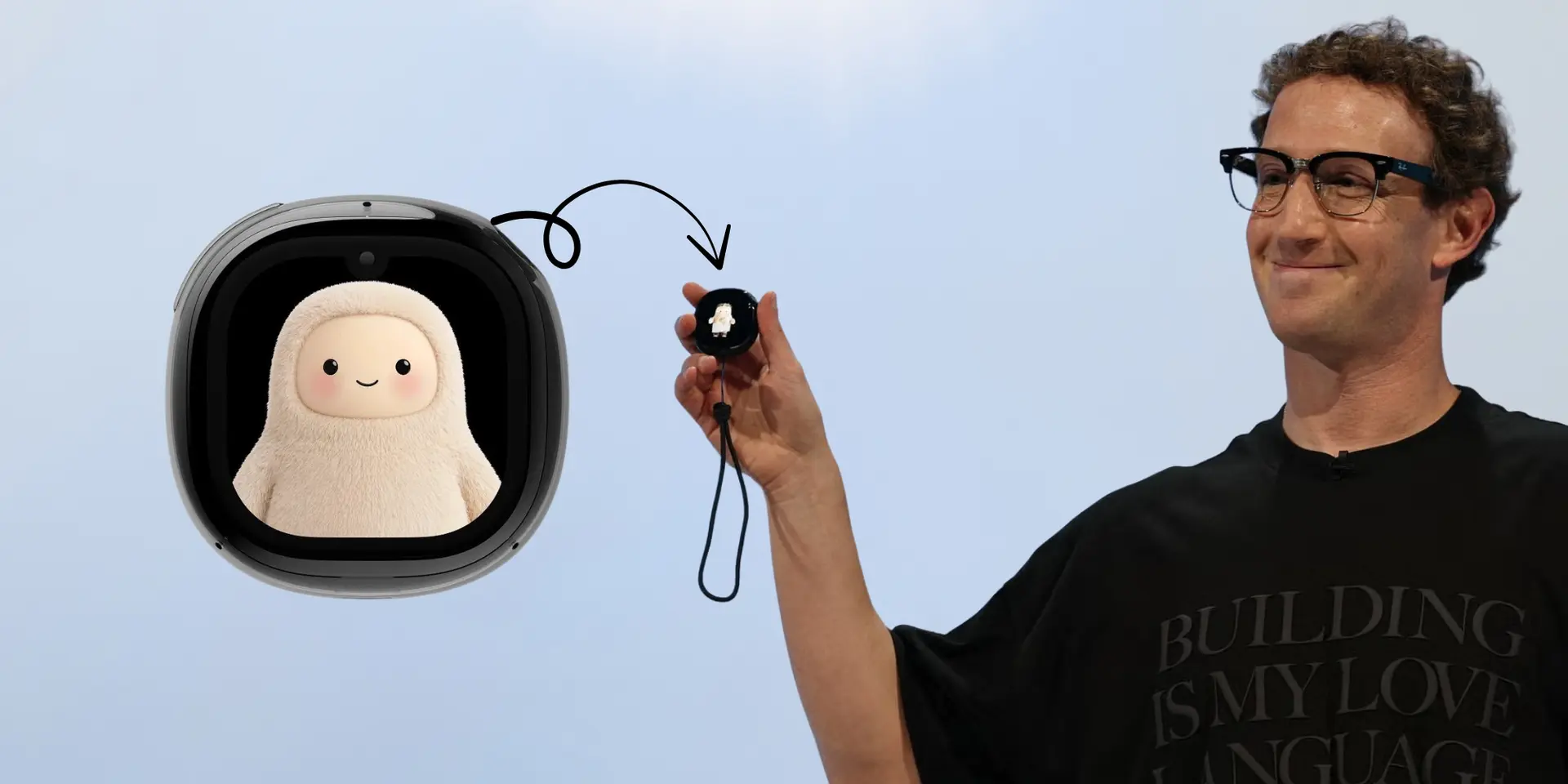

A pocket-sized AI gadget is back in the spotlight!
At Meta Connect 2026, the company unveiled Muse Charm, a palm-sized device designed to give users direct access to its Muse personal AI agent without having to open a phone app every time.
CEO Mark Zuckerberg presented the device as a quicker way to interact with Muse when users are away from their smart glasses or computers.
The idea is to put an AI agent into a small piece of hardware that can sit in a pocket, clip to a keychain or travel with its owner. Meta has not yet revealed the full specifications or pricing, but the device is expected around the holiday season in December.
Muse is getting its own shortcut
Muse was introduced earlier this month as more than a conventional chatbot. Meta says the personal AI agent can help with tasks such as planning, email, travel bookings, filling forms, shopping and working across connected apps with user permission.
The difference is that Muse is designed to take action rather than simply respond to a prompt. It can handle multi-step tasks and return to the user for approval when something sensitive needs to happen, such as sending an email or making a purchase.
Muse Charm is meant to make reaching that agent quicker. Reports from the launch describe a small device with a screen displaying an animated Muse avatar, voice interaction, microphones and a fingerprint sensor for starting a conversation. Some reports have also mentioned 5G connectivity, although Meta has not confirmed the complete specifications.
Pocket AI devices are already finding buyers
Meta is entering a category that has already shown signs of consumer demand. AI hardware startup Pocket raised $11 million in June, with TechCrunch reporting that it had sold more than 130,000 units of its AI note-taking device since launching the previous year.
The credit-card-sized gadget records conversations and uses AI to transcribe, summarise and turn them into tasks. By August, Entrepreneur reported that Pocket had sold more than 200,000 devices, just eight months after launch.
The company said it had also reached a $100 million annualised revenue run rate, although those figures were based on statements from its co-founder. Pocket is built around a different use case from Muse Charm, but its sales suggest that some consumers are willing to add a dedicated AI device to their everyday tech stack.
That gives Meta an interesting opening. Instead of asking users to replace their phones, Muse Charm could work as a shortcut to an assistant that already lives across Meta's ecosystem.
Meta is building beyond the phone
Muse Charm fits into a larger hardware push from Meta. The company already has Ray-Ban Meta smart glasses and mixed-reality products, while the wider AI industry is experimenting with wearables and dedicated devices designed to make assistants more accessible.
A separate device could give Muse a role between the phone and Meta's glasses. Users who do not want to wear smart glasses all day could still have an always-available way to interact with the agent.
That also changes how people might think about an AI assistant. Instead of opening an app when something needs to be done, the assistant becomes another object that is simply there.
The little device has some big questions to answer
For now, Muse Charm remains more of a preview than a finished consumer product. Meta has not confirmed its price, battery life, final design, availability outside the US or whether certain features will require a paired phone.
Privacy will also matter. An AI agent that can access personal information and connected services needs clear boundaries around what it can see and what it is allowed to do. Meta says users will control access, and sensitive actions will require approval.
The bigger question is whether people will actually want a dedicated device for an AI agent they already have on their phone.
Pocket's early sales suggest there is at least some appetite for specialised AI hardware. Meta now has to show that Muse Charm offers enough everyday utility to earn its own place alongside the phone, smartwatch and earbuds already competing for that pocket.