



Meta appoints ChatGPT co-creator Shengjia Zhao to lead its AI Superintelligence Lab
Meta’s hiring of a top OpenAI researcher signals a deepening battle for AI talent, as tech giants escalate pay packages and compete to build the next generation of artificial general intelligence.


Meta Platforms has appointed Shengjia Zhao, a key architect behind OpenAI's ChatGPT, as chief scientist of its newly launched Superintelligence Lab, a move that underscores the company’s intensifying effort to compete in advanced artificial intelligence.
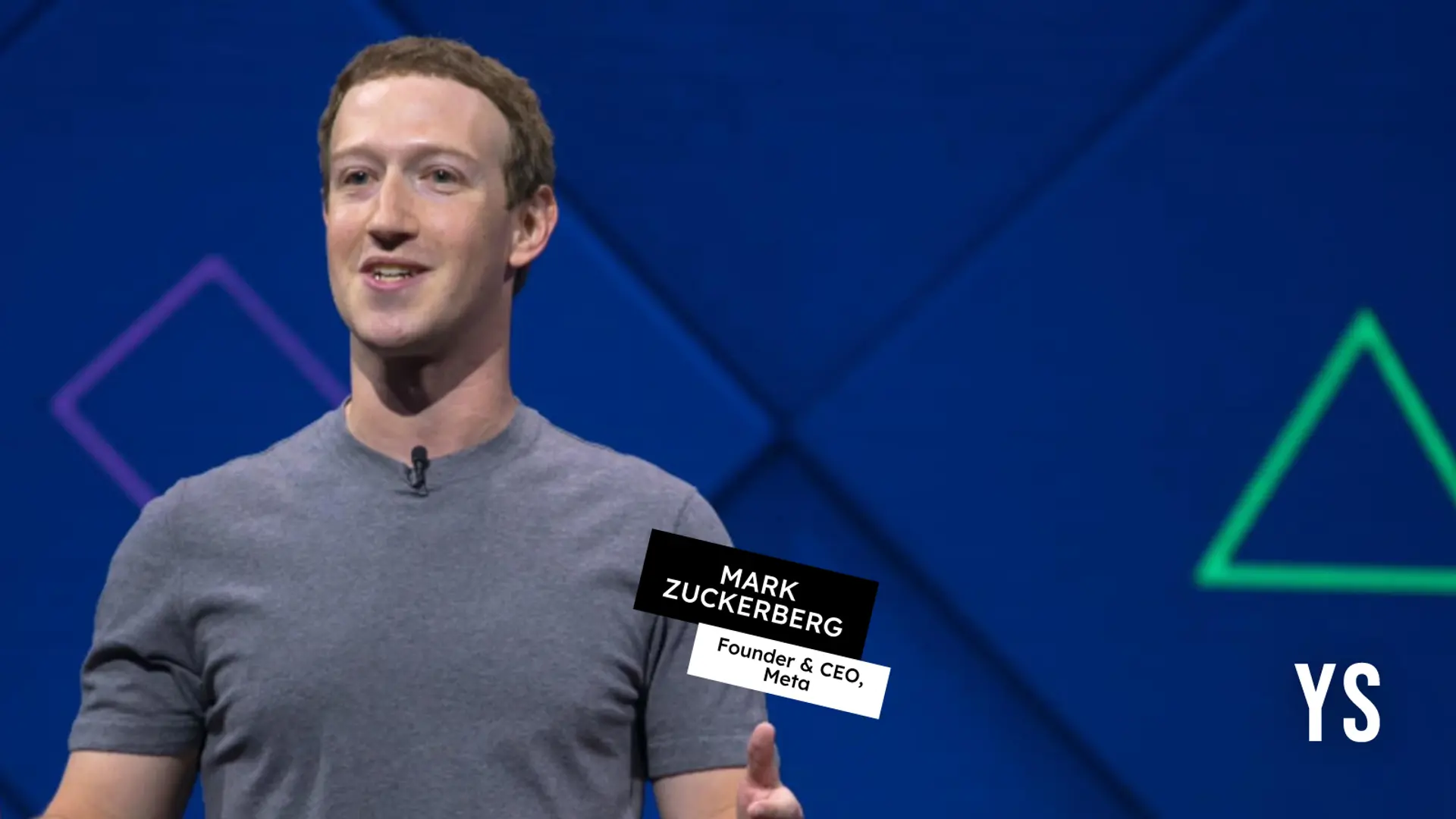
CEO Mark Zuckerberg announced the hire on Friday on Threads, saying Zhao will “set the research agenda and scientific direction” for the lab and work closely with Zuckerberg and Meta’s Chief AI Officer Alexandr Wang. Wang joined Meta earlier this year from Scale AI, after the social media giant took a significant stake in the startup.
Zhao, a former research scientist at OpenAI, was instrumental in developing ChatGPT, GPT-4, and several of the company’s lightweight models, including versions 4.1 and o3. He is one of at least eight researchers to defect from OpenAI to Meta in recent weeks, as Zuckerberg seeks to close the gap with rivals in the race to build artificial general intelligence (AGI).
The appointments come as part of a broader push by Meta to assemble a world-class AI team under the banner of the Superintelligence Lab, which operates separately from FAIR—Meta’s long-running AI research group led by deep learning pioneer Yann LeCun.
Zuckerberg said the new lab will focus on developing “full general intelligence” and intends to open-source the technology—an approach that has drawn both admiration and alarm within the AI research community.
Meanwhile, the aggressive hiring spree has rattled OpenAI. In internal messages leaked this month, OpenAI’s Chief Research Officer Mark Chen likened Meta’s recruitment tactics to “someone breaking into our home and stealing something.” It is reportedly reevaluating compensation structures and offering employees time off to stem further attrition.
OpenAI CEO Sam Altman has publicly decried what he sees as financially driven poaching. He has claimed that Meta offered some researchers signing bonuses of up to $100 million—figures that Meta’s CTO Andrew Bosworth has dismissed as exaggerated.
Still, reports of Meta dangling nine-figure offers—and in one unverified case, a compensation package totalling $1.25 billion over four years—highlight the lengths to which companies are going to secure top AI talent.
The competition is increasingly being framed as a battle between vision and valuation. Altman has argued that OpenAI’s mission-centric approach will prevail over what he calls "mercenary" recruitment. “Missionaries beat mercenaries,” he has said.
But others, including former OpenAI board member Reid Hoffman, have defended high-dollar hiring as economically rational if it delivers breakthroughs.
However, not everyone is critical of Meta’s moves. Demis Hassabis, CEO of Google DeepMind, called the company’s hiring spree “rational,” acknowledging that Meta is playing catch-up and needs to act aggressively.
Industry observers note that Meta has already funnelled over $14 billion into AI-related infrastructure and partnerships, including its stake in Scale AI.
Meta’s recent hires, particularly Zhao, signal the company’s ambition to not just participate in the AI race—but to lead it. Whether the open-source bet and lavish compensation packages pay off remains to be seen.
Edited by Suman Singh