



Meta's Muse is a personal AI agent that can carry out tasks on a user’s behalf
Muse goes beyond answering questions. It retains information it considers useful and makes suggestions without explicit prompts. The system is powered by Muse Spark, Meta’s model for real-world agentic work.

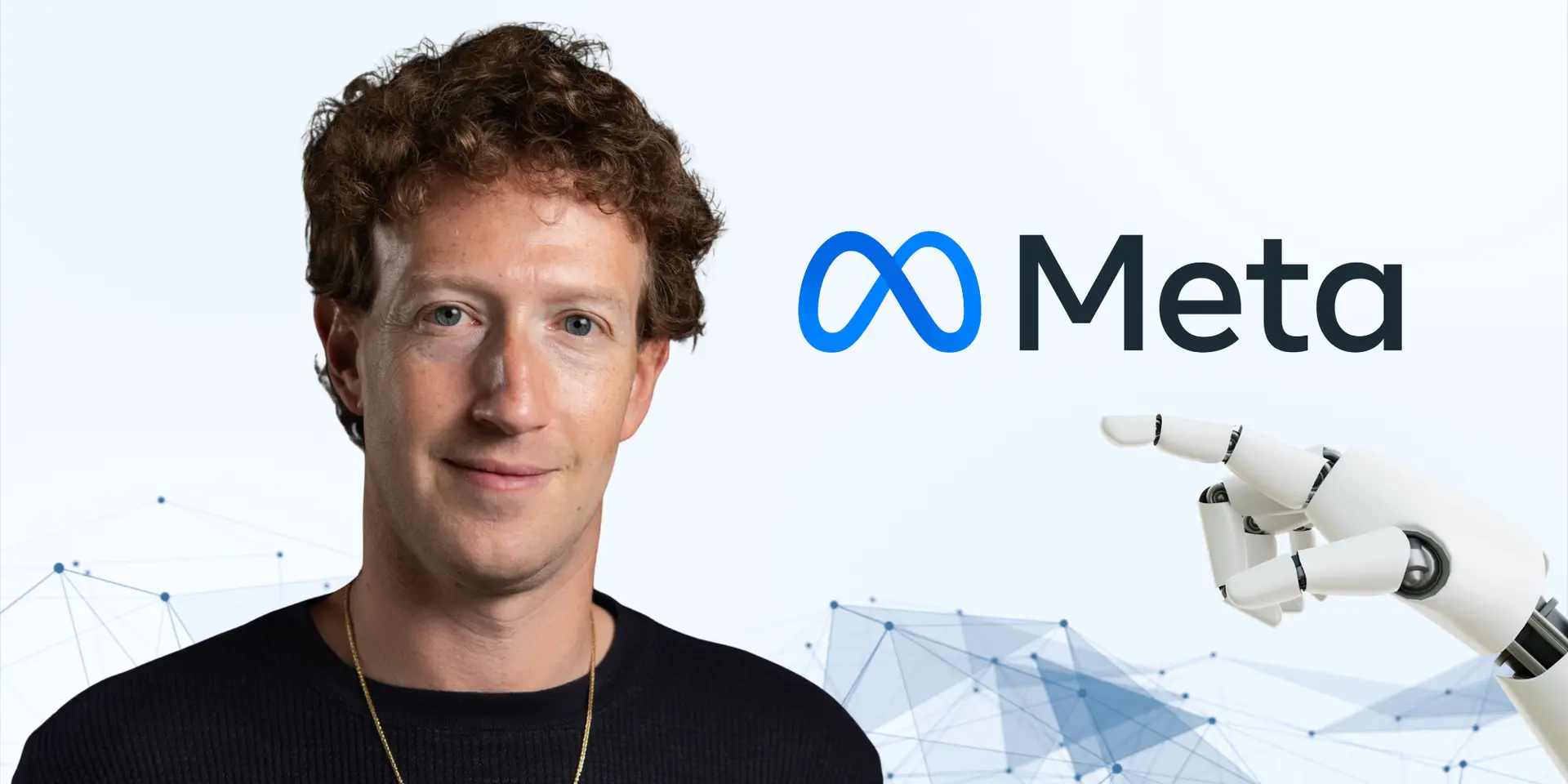

Meta has launched Muse, a personal AI agent designed to move beyond answering questions and carry out tasks on a user’s behalf.
This reflects the company’s shift towards AI systems that can use websites and connected services, make decisions across several steps, and continue working without constant supervision.
Muse is initially rolling out in the United States on iOS, Android, the web, and WhatsApp, with support for AI glasses planned for later, said Meta.
The social media firm noted that users can give Muse an objective instead of a detailed sequence of instructions. It can use its own browser to fill in forms, send emails, book travel, and negotiate on a user’s behalf. For longer tasks, it can continue working after the user closes the app and return when circumstances change or approval is required.
The system is powered by Muse Spark, Meta’s model for real-world agentic work. An agent is an AI system capable of planning and taking actions through software tools, rather than simply producing a response.
“Once a person shares a goal with Muse, it helps them develop a personalized plan and coordinate their time and resources, then advances the work on its own,” the company said in a blog post.
The practical promise of agents is delegation. Instead of asking AI how to organise a dinner, a user could potentially give it the goal and let it coordinate calendars, suggest venues, and handle parts of the process.
Personalisation is another important aspect. Muse can retain information it considers useful and make suggestions without being explicitly prompted. For example, it can give grocery lists based on recipes saved on Instagram, suggest a dinner menu, and remember people's dietary restrictions.
While this can make the agent more useful over time, it also means the system potentially has access to a person’s detailed routines and preferences, which a conventional question-and-answer assistant may not have. It also turns the spotlight on security.
According to Meta, Muse operates inside a dedicated virtual machine, a software-isolated computer in the cloud. Meta said a separate security agent called Sentinel controls internet access, while credentials are stored so Muse itself cannot see passwords or payment details.
Users choose which services Muse can access and which actions require approval, such as sending emails or making purchases.
Meta also noted that Muse provides an audit trail. It will later offer a confidential VM in which the entire environment is encrypted with a key controlled by the user.
Meta is entering an agentic AI market that's moving swiftly. OpenAI has introduced 'Operator', an agentic AI that can handle a variety of web-based tasks, while Google has rolled out Gemini Spark, a personal agent designed to work on tasks in the background. Anthropic is pushing agents beyond software, including a proposed hardware standard for connecting AI systems safely to laboratory and industrial equipment.
Edited by Swetha Kannan