


Meta’s Superintelligence Lab faces talent exits in early months
Meta’s new AI lab has seen multiple departures, including senior staff and new hires.

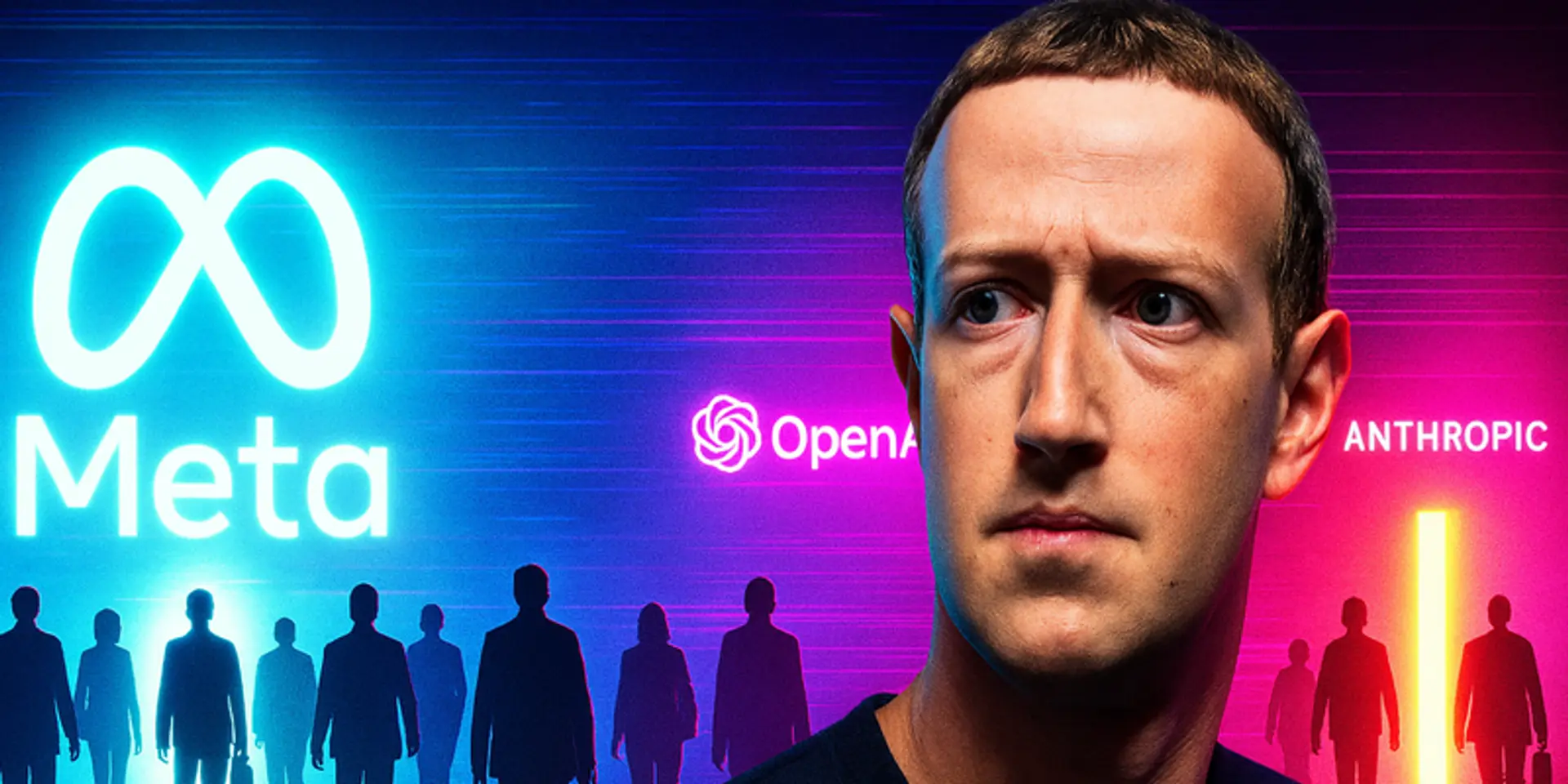

Meta’s newly created Superintelligence Labs is facing setbacks, with several high-profile researchers exiting the company only months after the division was established. The exits highlight turbulence in Meta’s latest artificial intelligence initiative, which was launched to accelerate the company’s work on advanced systems.
Formation of Meta Superintelligence Labs
In June 2025, Meta announced the creation of Meta Superintelligence Labs (MSL). The unit was designed to focus on building “personal superintelligence” and to compete with other global players such as OpenAI, Google DeepMind, and Anthropic. MSL was built on Meta’s existing infrastructure work, including tools like PyTorch and Triton, which have been widely adopted across the AI research community.
The launch attracted attention for its scale and ambition. Chief Executive Mark Zuckerberg positioned the lab as a key part of Meta’s long-term AI strategy, signalling substantial investment and recruitment across research and engineering teams.
Early departures from the lab
Reports indicate that at least eight researchers and engineers have left MSL in the months since its launch. Among them are Bert Maher, Tony Liu, and Chi-Hao Wu, who were central to developing Meta’s AI infrastructure tools. Several have reportedly moved to other technology companies, including Anthropic and Memories.ai.
The lab has also lost newer hires. Avi Verma and Ethan Knight, who had joined MSL earlier this year, have returned to OpenAI. Another researcher, Rishabh Agarwal, cited the need for new challenges as a reason for his exit. Additionally, Chaya Nayak, Meta’s director of generative AI product management, has left for a senior role at OpenAI.
Organisational restructuring
Industry reports suggest that MSL has undergone multiple internal restructures in recent months. Sources indicate that changes in reporting structures and project priorities may have contributed to dissatisfaction among employees. While Meta has not commented publicly on the individual departures, the company has reiterated its long-term commitment to advancing AI research.
Meta continues to invest heavily in AI across its product ecosystem, with applications spanning social platforms, virtual reality, and large-scale language models. The company has said that its focus on superintelligence research will remain central to its strategy despite the recent staff changes.