



Microsoft brings MAI-Image-1, its first text-to-image generation model
According to Microsoft, MAI-Image-1 excels at producing realistic imagery, including complex scenes with nuanced lighting and landscapes.

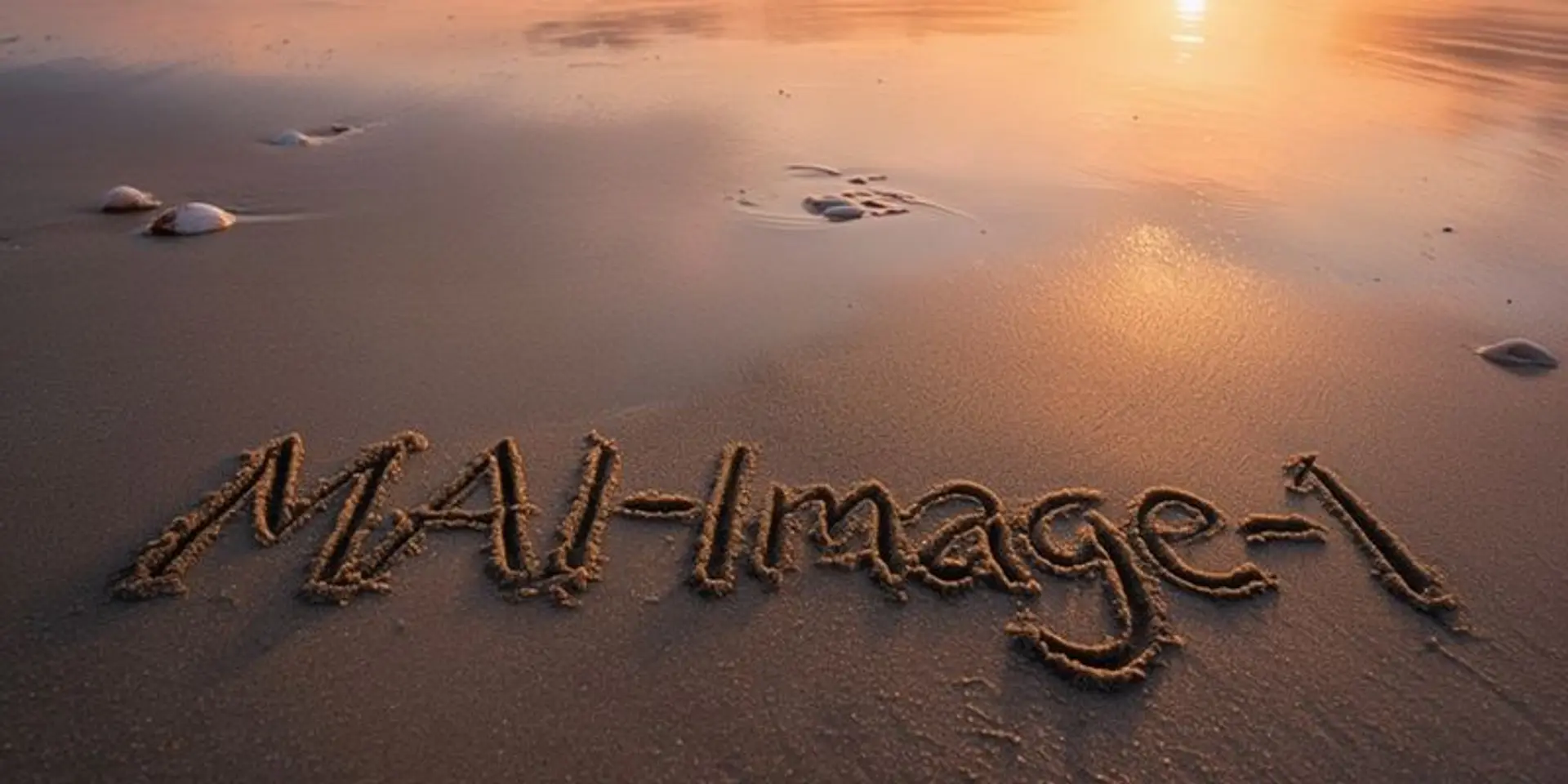

Tech giant Microsoft introduced MAI-Image-1, its first text-to-image generation model developed entirely in-house, signalling its effort to increase its own artificial intelligence (AI) capabilities.
According to Microsoft, MAI-Image-1 excels at producing realistic imagery, including complex scenes with nuanced lighting and landscapes. Its launch follows the release of other in-house models like MAI-Voice-1 (a voice generator) and MAI-1-preview (a chatbot).
The MAI-Image 1 model was created by Microsoft AI to produce “genuine value for creators,” with a focus on avoiding generic, repetitive stylistic outputs. The team incorporated feedback from creative professionals during its development.
MAI-Image-1 is expected to be integrated soon into Microsoft’s products, such as Copilot and Bing Image Creator, to provide text-to-image generation functionality for users.
The company has started testing this model in LMArena to gather insights and feedback.
Upon its release, MAI-Image-1 entered the top 10 on LMArena, an AI benchmark platform where models are evaluated based on community voting.
Alternatives to Microsoft’s image generation model from other major tech firms include Google’s Imagen, OpenAI's DALL-E, Stability AI's Stable Diffusion, Adobe Firefly, and Midjourney. These models offer varying capabilities, integrations, and approaches to text-to-image generation.
While developing its own models like MAI-Image-1, Microsoft continues to partner with OpenAI and incorporates its models, like GPT-4, into its products. It has also integrated models from other firms, such as Anthropic.
The Satya Nadella-led firm brought in Mustafa Suleyman as the CEO of Microsoft AI last year. Suleyman, a prominent figure in the AI field, known for co-founding Google DeepMind and the AI startup Inflection AI, is also the Executive Vice President of Microsoft AI.
Edited by Suman Singh