



Microsoft ready to exit OpenAI deal over strategic disputes: Report
Microsoft is reportedly preparing to step back from high-stakes negotiations with OpenAI after an escalating standoff.

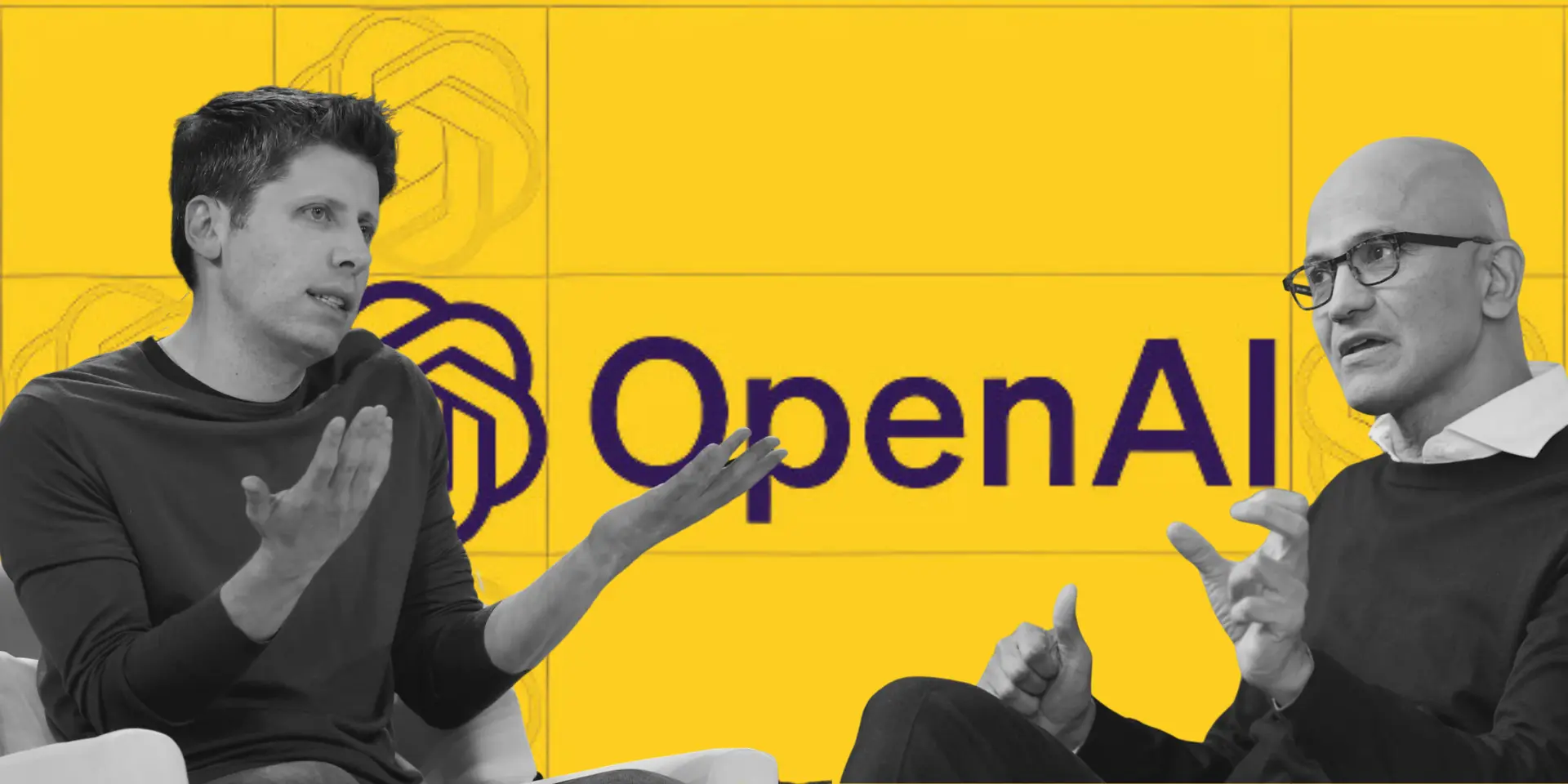

Microsoft is reportedly preparing to step back from high-stakes negotiations with OpenAI after an escalating standoff over terms governing their future collaboration.
According to Financial Times and Reuters, talks have hit a near-impasse over fundamental issues including equity, revenue-sharing, and access to core technology.
A $13 billion bet with built‑in tensions
Microsoft first poured a reported $13 billion into OpenAI, securing exclusive access to its advanced AI models and integrating them across Azure, GitHub Copilot, Bing, Edge, and more.
The partnership rapidly positioned Microsoft as a formidable force in the AI landscape.
At the heart of the impasse sits OpenAI’s plan to transform into a public-benefit corporation (PBC), a pivotal restructuring that requires Microsoft’s sign-off.
The real sticking points? Microsoft’s future equity stake, reported to range between 20% and 49%, and the allocation of revenue shares from OpenAI’s expanding customer base.
Revenue vs. equity: What Microsoft values most
From Microsoft’s perspective, control and revenue stream stability matter more than additional equity as per the report.
Insiders cited in the report suggest Microsoft is “happy with the current contract” that grants it up to a 20% revenue share, capped at around $92 billion until 2030, and early access to new technology.
Accepting deeper equity, they argued, may reduce its immediate financial upside .OpenAI pushes back
Meanwhile, OpenAI is pushing for looser commercial arrangements, particularly separating intellectual property from recent acquisitions like Windsurf, a $3 billion AI coding startup.
Under the current terms, Microsoft would automatically gain access to Windsurf’s IP, which clashes with its own Copilot ambitions.
The pressure is mounting on OpenAI to complete its corporate restructuring by year’s end, partly to meet investor conditions and unlock an additional $20 billion in funds.
Walking away, or strategically pausing?
Reports indicate that Microsoft could call off negotiations and simply let its existing commercial contract play out through 2030.
Doing so would allow the company to maintain access to OpenAI’s AI models, without agreeing to any new, less favorable terms.
Microsoft has already begun diversifying, investing in alternative AI models such as xAI’s Grok, expanding its Core AI division, and enabling OpenAI to run certain compute workloads on non-Microsoft clouds like Oracle and Google.