



Microsoft’s AI chief says AI could automate most desk jobs within 18 months
Microsoft AI chief Mustafa Suleyman says most office jobs could be heavily automated within 18 months, intensifying concerns around white-collar disruption and the future of work.

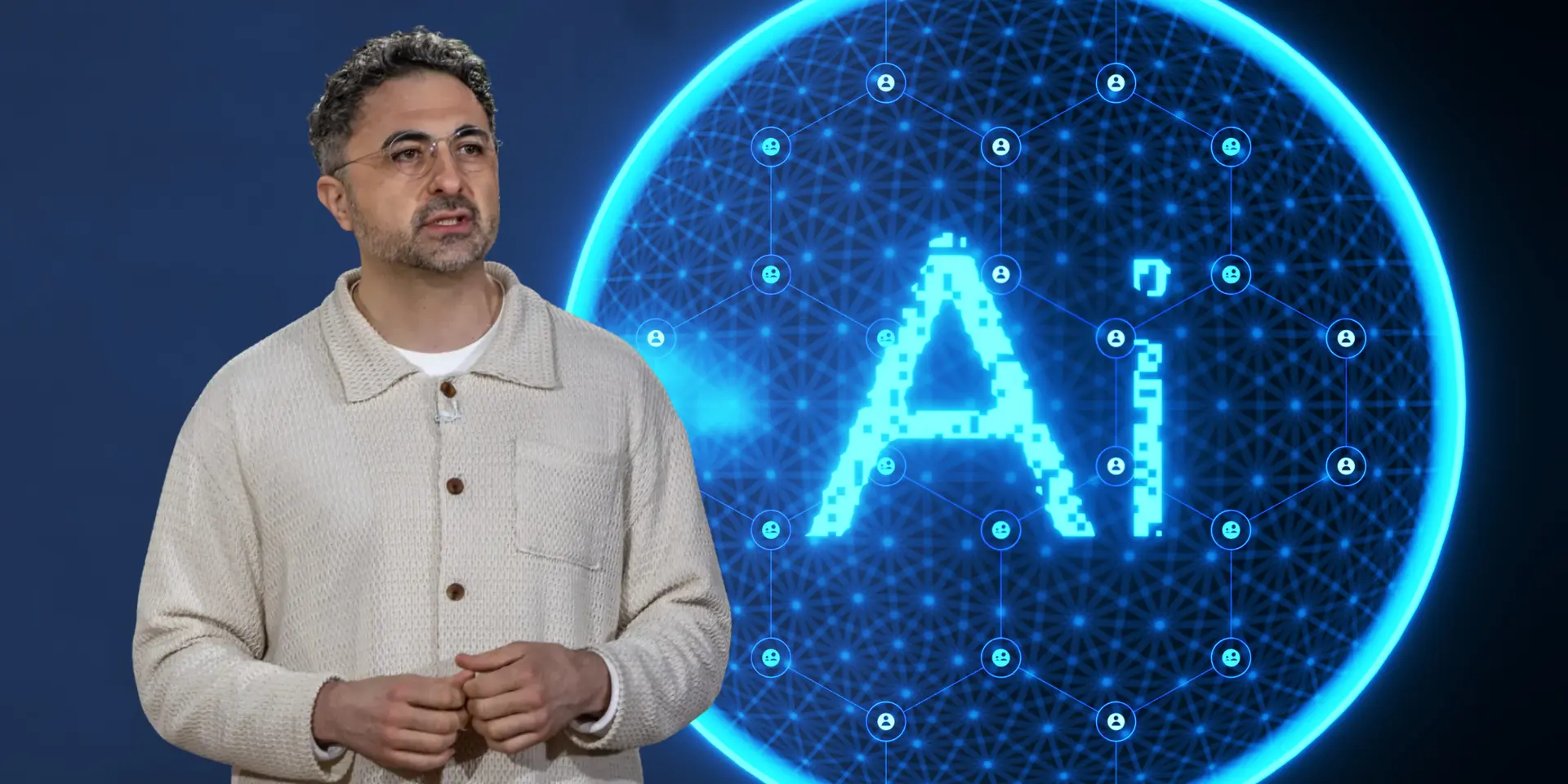

Could office work change faster than anyone expects? Microsoft’s AI chief, Mustafa Suleyman, thinks so.
He has argued that artificial intelligence could reach human-level performance on most professional tasks within 12 to 18 months. His comments focus on computer-based work in fields such as law, accounting, marketing and project management.
The claim is stark in its timing, and it has quickly sharpened boardroom conversations about what, exactly, is automatable and how quickly organisations should move.
What exactly could be automated?
It helps to separate jobs from tasks. Few roles are a single activity; they are bundles of steps. The tasks most exposed are routine, rules-based and document-heavy: drafting and redrafting texts, summarising long reports, reviewing contracts, creating first-pass financial models, generating slide outlines, producing basic marketing copy and tidying data.
These are well-suited to today’s large language models and emerging “agents” that can plan steps, call tools and iterate with feedback. The near-term picture is less about robots taking over a title and more about software taking over slices of a workflow.
Why this moment feels different
Two drivers stand out. First, the pace of compute growth is unlocking larger, more capable models that can reason over text, code and images with increasing reliability. Second, there is a shift from chat-style assistants to purposeful agents that act across applications, schedule tasks and enforce checklists.
Suleyman has described a world of many specialised models, each tuned to an organisation’s policies and data. If creating and deploying such systems becomes as simple as publishing a podcast, diffusion across departments could be rapid.
Adoption reality check
The record so far is mixed. Early pilots in professional services show that AI can accelerate drafting, review and research, but gains are uneven and depend on tight scoping, quality data and careful oversight. Some trials report slower completion when guardrails are weak or when teams try to automate poorly defined tasks.
Beyond headline demos, integration into everyday tools, security controls and audit trails remains hard work. Enterprises also demand clarity on cost and return, so procurement cycles can stretch even when the technology is promising.
What the next 18 months could look like
Inside companies, an 18‑month window is likely to produce rapid task unbundling rather than a dramatic collapse of whole job categories. Teams will map processes into discrete steps, hand more of those steps to agents, and keep humans in charge of intent, quality and exceptions.
Expect visible change in areas like document review, compliance checks, meeting notes, knowledge search, customer email triage and first-draft content. Managers will shift effort to defining prompts and policies, reviewing outputs and measuring outcomes.
Recruiters will prize people who can design workflows, supervise agents and connect multiple tools. For employees, the immediate effect may be higher output per person. Over time, hiring for some junior tasks could slow, while new roles emerge around orchestration, data stewardship and risk management.
Adoption will vary by sector. Regulated industries and client-facing work that relies on trust, negotiation and nuanced judgement may move more cautiously than back-office functions.

Risks and open questions
Three uncertainties will shape the path.
Reliability is first: leaders need consistent accuracy, clear provenance and robust red-teaming before letting AI run critical workflows.
Second is integration: agents must work safely across legacy systems, APIs and permissions without creating new security holes.
Third is economics: training and operating costs must align with measurable gains in speed, quality or revenue. Policy and ethics also matter.
Organisations should plan for bias monitoring, human review on sensitive decisions and transparent communication with customers and staff.