



NVIDIA becomes first company to reach $5T valuation
The pace of growth has been remarkable, with the company adding another trillion dollars in less than four months after surpassing the $4 trillion mark earlier on July 9.

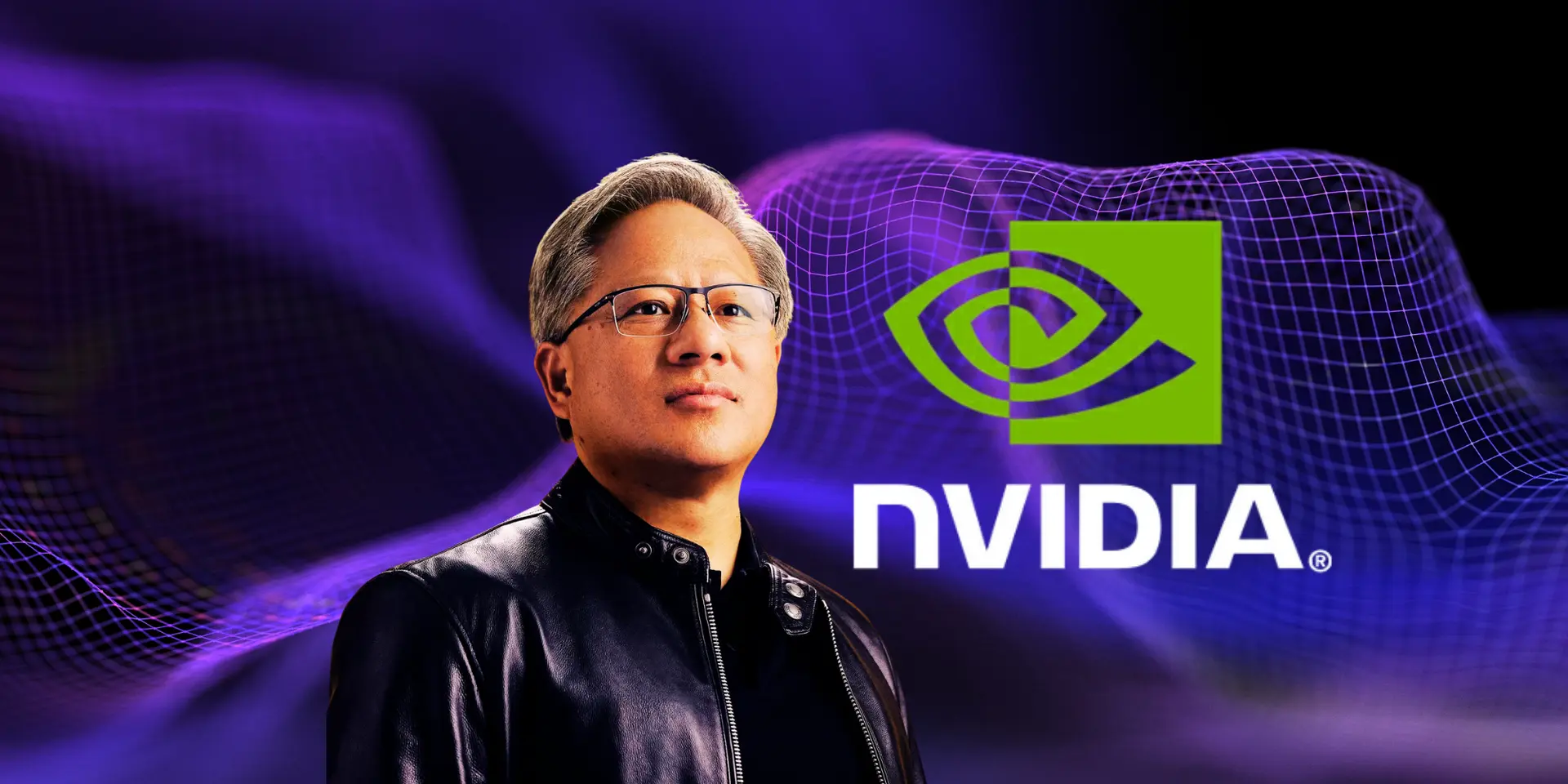

Tech giant NVIDIA became the first company in history to reach a market capitalisation of $5 trillion on October 29, Wednesday, marking a new milestone in the technology sector’s rapid transformation driven by artificial intelligence (AI).
The record was achieved after the company’s shares rose 3.8% to a new intraday high of about $208.90. The increase lifted NVIDIA’s value from roughly $4.89 trillion to just over $5 trillion.
The pace of growth has been remarkable, with the company adding another trillion dollars in less than four months after surpassing the $4 trillion mark earlier on July 9.
This valuation puts NVIDIA ahead of both Microsoft and Apple, which recently reached and exceeded a $4 trillion market capitalisation.
The company’s ascent reflects the scale of investor confidence in its leadership of the AI hardware market and the strength of recent commercial announcements.
The latest share surge followed CEO Jensen Huang’s keynote at NVIDIA’s developer conference, where he outlined new products and strategic partnerships. Among the highlights was a collaboration with Nokia involving a $1 billion investment to develop AI-native 6G networks—a move that extends NVIDIA’s reach into telecommunications infrastructure.
Huang also announced a partnership with the US Department of Energy and Oracle to build an AI factory aimed at advancing scientific research. The company introduced NVQLink, a new system designed to connect quantum processors with GPU-based supercomputers, signalling NVIDIA’s ambition to integrate quantum and classical computing.
Founded in 1993 by Huang, Chris Malachowsky, and Curtis Priem in Santa Clara, California, NVIDIA first rose to prominence with the introduction of the graphics processing unit (GPU) in 1999. That innovation revolutionised PC gaming and laid the groundwork for the company’s later dominance in accelerated computing.
By 2025, NVIDIA was estimated to hold around 92% of the discrete GPU market for desktops and laptops, besides more than 80% of the market for GPUs used in AI training. This dominance has given the company a strong advantage as demand for AI systems has surged across industries.
AMD remains NVIDIA’s most direct rival in both gaming and data centre chips. At the same time, many of NVIDIA’s largest customers, including Google, Amazon, Microsoft, and Meta, are developing their own in-house AI chips to reduce reliance on external suppliers.
Startups such as Groq and Cerebras are also attempting to challenge NVIDIA’s position with novel hardware and software approaches, although they face hurdles competing against the firm’s deeply entrenched software ecosystem.
The company is expected to announce its earnings on November 19 for the fiscal quarter ending in October 2025.
Edited by Suman Singh