



NVIDIA invests $2 billion in Synopsys to forge multi‑year AI pact
The non‑exclusive, multi‑year tie‑up spans CUDA‑accelerated computing, agentic and physical AI, and Omniverse digital twins; NVIDIA buys Synopsys stock worth $2 billion (Rs 16,700 crore).

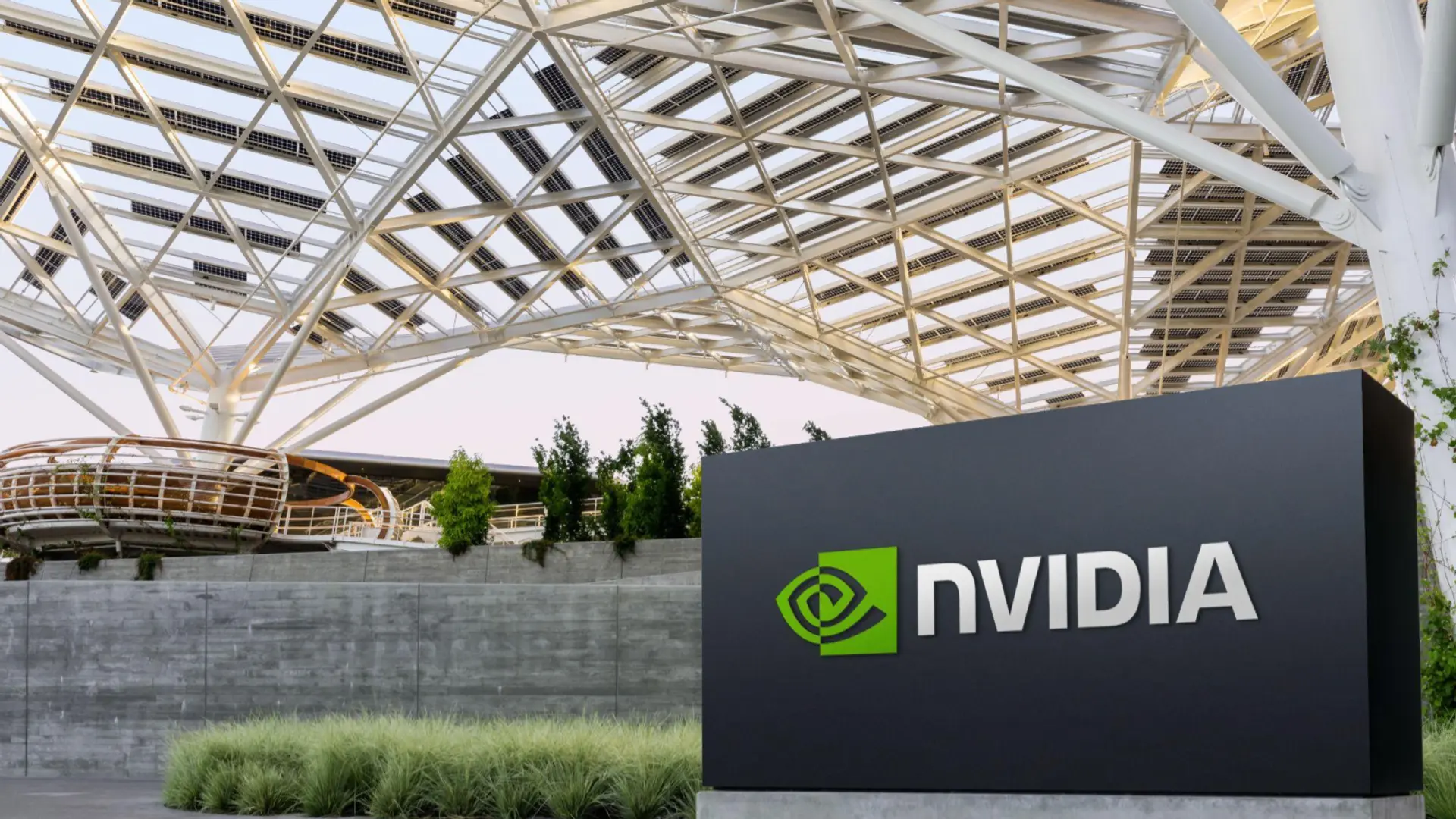

NVIDIA and Synopsys have unveiled an expanded, multi‑year partnership that brings together NVIDIA’s accelerated computing and AI stack with Synopsys’ engineering software portfolio across chips, systems and multiphysics simulation.
As part of the deal, NVIDIA invested $2 billion (about ₹16,700 crore) in Synopsys common stock at $414.79 per share.
The collaboration is non‑exclusive and includes joint engineering and go‑to‑market efforts aimed at speeding up simulation, verification and product design across industries from semiconductors to aerospace and automotive.
The partnership will:
- Accelerate Synopsys applications with NVIDIA CUDA‑X libraries and AI‑physics to speed up compute‑intensive workloads such as chip design, physical verification, electromagnetic and optical simulation, and even molecular modelling.
- Advance agentic AI for design flows by integrating Synopsys AgentEngineer with NVIDIA’s agentic AI stack, including NIM microservices, the NeMo Agent Toolkit and Nemotron models, to enable more autonomous EDA and analysis workflows.
- Power next‑gen digital twins using NVIDIA Omniverse and NVIDIA Cosmos so teams can virtually design, test and validate complex systems with higher fidelity.
- Offer cloud‑ready access to GPU‑accelerated engineering solutions for organisations of all sizes, supported by joint go‑to‑market initiatives.
Jensen Huang, founder and CEO of NVIDIA, said in the announcement post that the tie‑up will bring “unprecedented speed and scale” to simulation—spanning atoms to complete systems—while Synopsys President and CEO Sassine Ghazi called it a step towards AI‑powered, holistic system design that fuses electronics with physics.
Impact on the engineering ecosystem
India’s sizeable semiconductor and systems R&D workforce already relies on Synopsys tools and NVIDIA GPU compute.
Faster EDA runtimes and higher‑fidelity digital twins could shrink design cycles for domestic chip design centres, automotive engineering captives and industrial IoT players—lowering cost of iteration and supporting Make‑in‑India ambitions in electronics and mobility.
The move follows Synopsys completing its acquisition of Ansys—creating a silicon‑to‑systems engineering powerhouse spanning EDA, IP and multiphysics simulation, with the first integrated capabilities slated for H1 CY2026.
In recent and similar developments, Cadence expanded its collaboration with NVIDIA’s Grace Blackwell platform to accelerate engineering solvers and develop agentic AI for design; it is also adopting Omniverse blueprints for AI‑factory digital twins (18/03/2025).
Further, Siemens and NVIDIA previewed an industrial tech stack integrating Siemens Xcelerator with NVIDIA Omniverse to advance factory digital twins.