


OpenAI eyes 5% US government stake amid AI policy debate
OpenAI has reportedly discussed giving the US government a 5% stake to align AI innovation with public interest. Here's what the proposal could mean.

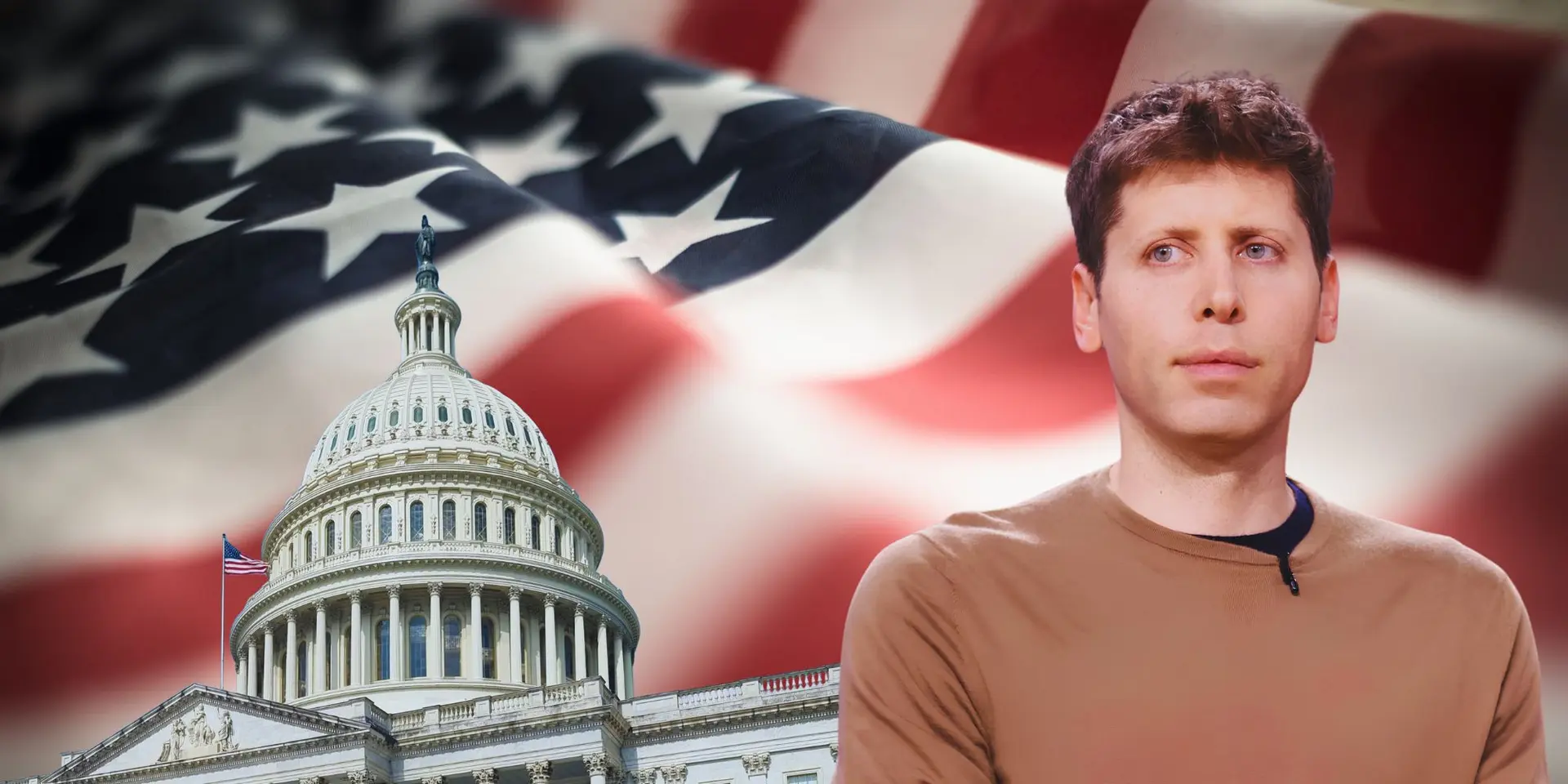

A bold idea is now at the centre of America’s AI debate. OpenAI has reportedly discussed giving the US government a 5% stake in the company, a move aimed at easing political concerns in Washington and showing that the public could share in the financial gains created by artificial intelligence.
The proposal, first reported by the Financial Times and covered by CNBC, comes as the ChatGPT maker faces growing scrutiny over its influence, safety responsibilities and long-term role in the US economy. The plan is not limited to OpenAI alone.
According to reports, OpenAI executives have floated a broader arrangement under which the US government would hold a 5% stake in leading American AI developers through a government vehicle. Companies such as Anthropic, Google and Meta have been mentioned in this wider discussion, although it remains unclear whether any of them would support such an approach.
Why OpenAI may see public ownership as a solution
The idea appears designed to answer a difficult political question: if AI creates enormous wealth, who benefits from it? OpenAI chief executive Sam Altman has reportedly argued that giving the public a share of the upside could be a practical way to make the AI boom feel less concentrated among private investors, founders and large technology companies.
For OpenAI, a government stake could also help build trust with policymakers at a time when AI companies are under pressure to prove that their systems are safe, secure and aligned with national interests. In simple terms, the proposal could give Washington a financial interest in the success of AI while allowing companies to show that they are not keeping all future gains private.
Political pressure around AI is intensifying
The timing is important. Advanced AI models are increasingly being treated as strategic assets, not just consumer products. US officials have raised concerns about national security, foreign access to powerful models, job disruption, misinformation and whether a small group of companies could gain too much influence over critical technology.
A 5% stake may help address some of those concerns, but it could also raise new questions. Critics may ask whether government ownership would blur the line between regulation and investment. Others may question whether a financial stake would truly improve accountability, or simply make the government more dependent on the commercial success of the companies it is meant to oversee.

MGX closes $49B AI fund as investor behind OpenAI, Anthropic expands reach
What happens next for the proposal
For now, the idea remains at the discussion stage. Reports say it is not clear whether other major AI companies would agree to a similar structure, and neither OpenAI nor the White House has offered detailed public confirmation of the arrangement.
Still, the proposal shows how quickly the AI policy debate is changing. OpenAI’s reported 5% US government stake plan is not just about company ownership. It is about who controls AI, who profits from it and how governments may try to balance innovation with public interest in the years ahead.