



3 major updates from OpenAI DevDay 2025: Apps, AgentKit, GPT‑5 API upgrades
OpenAI has turned ChatGPT into an app platform, introduced AgentKit to help developers build and ship production agents, and highlighted GPT‑5 and other model updates in its API at DevDay 2025.

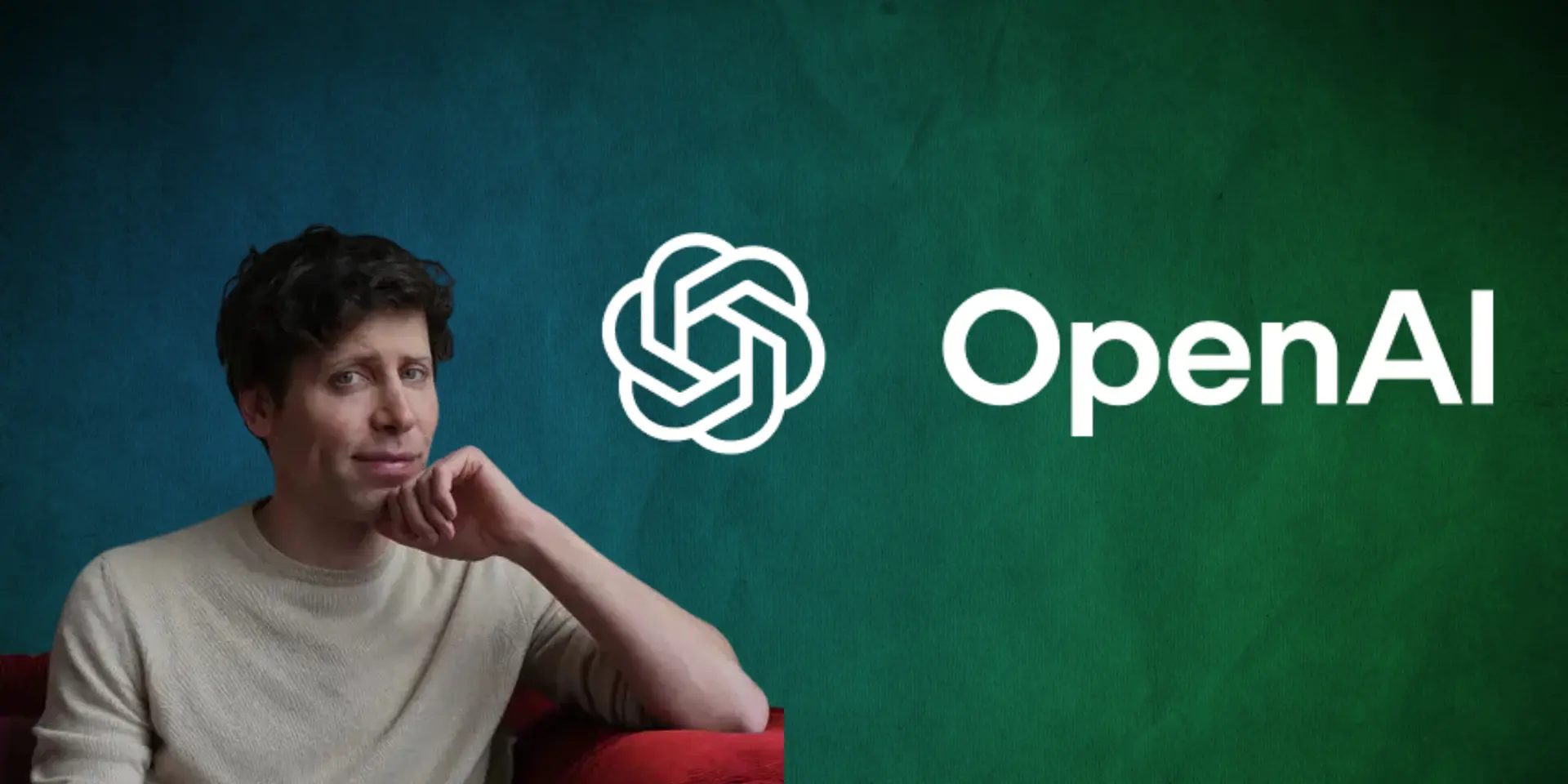

OpenAI has used its DevDay 2025 keynote in San Francisco on 6 October to detail a trio of developer-focused updates.
These include a new Apps SDK to build third‑party apps inside ChatGPT, an “AgentKit” toolkit aimed at taking AI agents from prototype to production, and expanded access to its most capable models in the API, including GPT‑5.
The push has underscored a platform strategy that spans ChatGPT, agent tooling and the core API.
Apps inside ChatGPT
OpenAI has opened a preview Apps SDK that lets developers build interactive apps which run directly inside ChatGPT, with design and developer guidelines and an app directory planned for later this year. Early launch partners showcased during the keynote included services such as Spotify, Canva and Zillow, enabling users to complete tasks in‑chat with app UIs and actions.
The Apps SDK preview has been made available today; OpenAI has said app submissions will open later in 2025.
OpenAI has also published quality, safety and design criteria for app listings to govern discovery and distribution.
Building and shipping AI agents
Alongside Apps, OpenAI has introduced AgentKit, described on stage as a complete toolkit to build, ship and optimise AI agents.
It has combined a visual Agent Builder, an embeddable chat UI (“ChatKit”), configurable guardrails and expanded evaluations, with a live demo showing a simple agent assembled in under eight minutes.
AgentKit sits on top of OpenAI’s earlier agent foundations—the Responses API, built‑in tools (web search, file search, computer use) and the open‑source Agents SDK—released in March.
OpenAI has previously positioned the Agents SDK and Responses API as its building blocks for single‑ and multi‑agent orchestration with tracing and guardrails, signalling a path to today’s bundled kit.
Models and API: GPT‑5 and developer‑oriented controls
OpenAI has already made GPT‑5 available in the API as of 7 August, touting stronger coding and agentic performance and new developer controls, including a verbosity setting and a “minimal” reasoning mode.
The company has also added GPT‑5‑codex in September as a coding‑optimised variant, and earlier in June has released o3‑pro across ChatGPT and the API. Today’s DevDay has framed these as the model backbone for Apps and AgentKit.
GPT‑5 has been offered in three sizes (gpt‑5, gpt‑5‑mini, gpt‑5‑nano) with support for tool use, structured outputs, prompt caching and parallel tool calls.
Model release notes have recorded GPT‑5‑codex (15 September) and o3‑pro availability (10 June), expanding options for reasoning and coding workloads.
ChatGPT agent broadens real‑world reach
Over the summer, OpenAI has folded its Operator research preview into ChatGPT as “agent mode,” which can browse, operate a remote computer, run code in a restricted terminal and connect to first‑party data sources.
Today’s Apps and AgentKit moves have extended that agentic arc from end‑user features to developer tooling.
By bringing an app platform into ChatGPT and packaging agent tooling, OpenAI has sought to make its ecosystem stickier for both users and developers.
Chief executive Sam Altman has framed the shift as moving from systems you ask anything to systems you ask to do anything—pairing an in‑chat runtime (Apps) with the means to build reliable agents (AgentKit) and the horsepower to run them (GPT‑5).
Availability and rollout
Apps SDK has been released in developer preview; submissions to the directory have been planned “later this year.”
AgentKit components have been demonstrated on stage; underlying agent capabilities via the Responses API, built‑in tools and the Agents SDK have been available since 11 March 2025.
GPT‑5 for developers has been available in the API since 7 August 2025; GPT‑5‑codex has been added on 15 September 2025.