



OpenAI takes on Google, Perplexity in AI browser race with ChatGPT Atlas
OpenAI’s ChatGPT Atlas heats up the AI-powered web browser space, intensifying competition among OpenAI, Google, and Perplexity as each races to define what the next generation of internet navigation will look like.

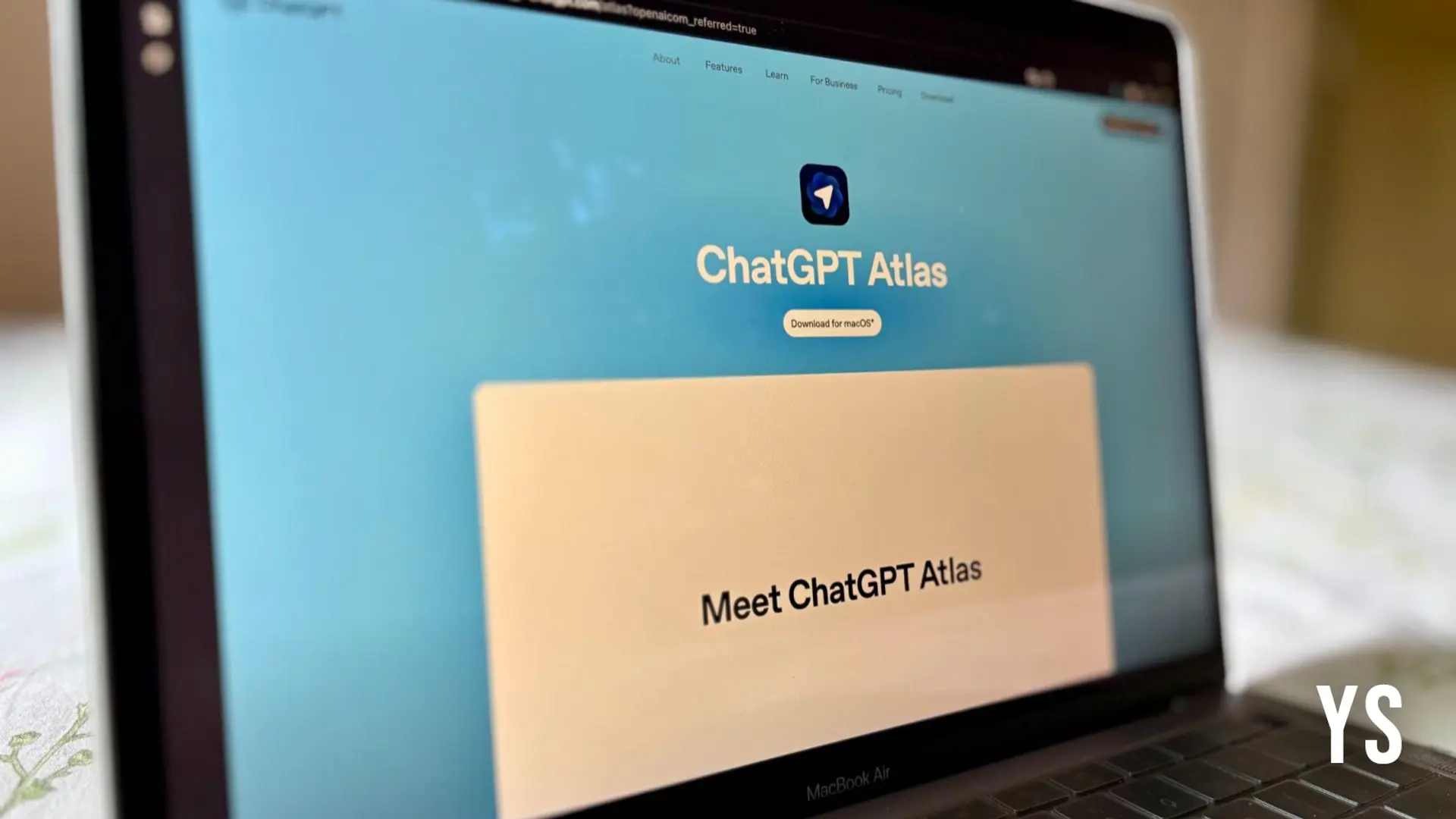

OpenAI has launched ChatGPT Atlas, a web browser that embeds ChatGPT directly into the browsing experience and aims to turn the browser into a personal assistant that can act on the user’s behalf.
The launch heats up the AI-powered web browser space, intensifying competition among OpenAI, Google, and Perplexity as each races to define what the next generation of internet navigation will look like—one where search, browsing, and productivity increasingly merge under the guidance of conversational assistants.
OpenAI’s new browser is available on macOS worldwide to Free, Plus, Pro and Go users, with beta access for Business accounts and further platform rollouts promised for Windows and mobile.
Atlas places a ChatGPT sidebar inside any web page so the assistant can summarise content, edit text in-line, and take context from the page to complete tasks without copying and pasting.
The browser includes what OpenAI calls browser memories—optional records of details from sites you visit that the assistant can draw on for later conversations. Users can view or archive those memories and delete browsing history to remove the associated records. Parental controls and toggles for per-site visibility are built in so people can limit what the assistant can see.
A feature of the browser is agent mode, which allows ChatGPT to open tabs, click through sites, and automate workflows while explaining its steps. Agent mode is available in preview to Plus, Pro and Business subscribers; it will pause on sensitive pages and restrict actions such as running code or accessing the local file system, said OpenAI.
The company also noted that training on browsing content is not done by default, and that users who opt in can allow their browsing to be used for model training subject to site level exclusions.
The move places OpenAI in direct competition with challengers and major platform holders.
Competition heats up
Earlier this year, Perplexity launched its Comet browser and has promoted an answer engine approach that synthesises a few results instead of returning long lists of links. Comet has been praised for innovation by some users, but it has also faced security scrutiny.
Google meanwhile has taken a different route. In September it announced deeper integration of its Gemini assistant into Chrome and indicated that Gemini will be able to perform tedious tasks such as booking appointments and arranging shopping in the coming months. The company has positioned this as an evolution of the omnibox and tab management experience rather than a separate browser product.
Atlas promises convenience in bringing browsing, memory and agents together inside a single product, but it also increases the surface area where errors or misuse could occur.
OpenAI highlighted red teaming and safeguards, yet it concedes agents are susceptible to novel attacks and urges users to monitor activity and consider using logged out mode for sensitive tasks.
Perplexity and Google face similar balance challenges as AI becomes more capable at interacting with logged in sites and personal data.
OpenAI’s Atlas is one of several experiments this year that test a future in which the web is navigated less by clicking and more by delegating. For users, the question is whether tighter AI integration saves time without introducing unacceptable privacy and security risks.