



All ears, no eyes: Meta’s new smart glasses drop the camera
Ray-Ban Meta Audio is Meta’s first camera-free AI glasses model, built around audio, calls, translation and AI assistance while responding to concerns over recording without consent.

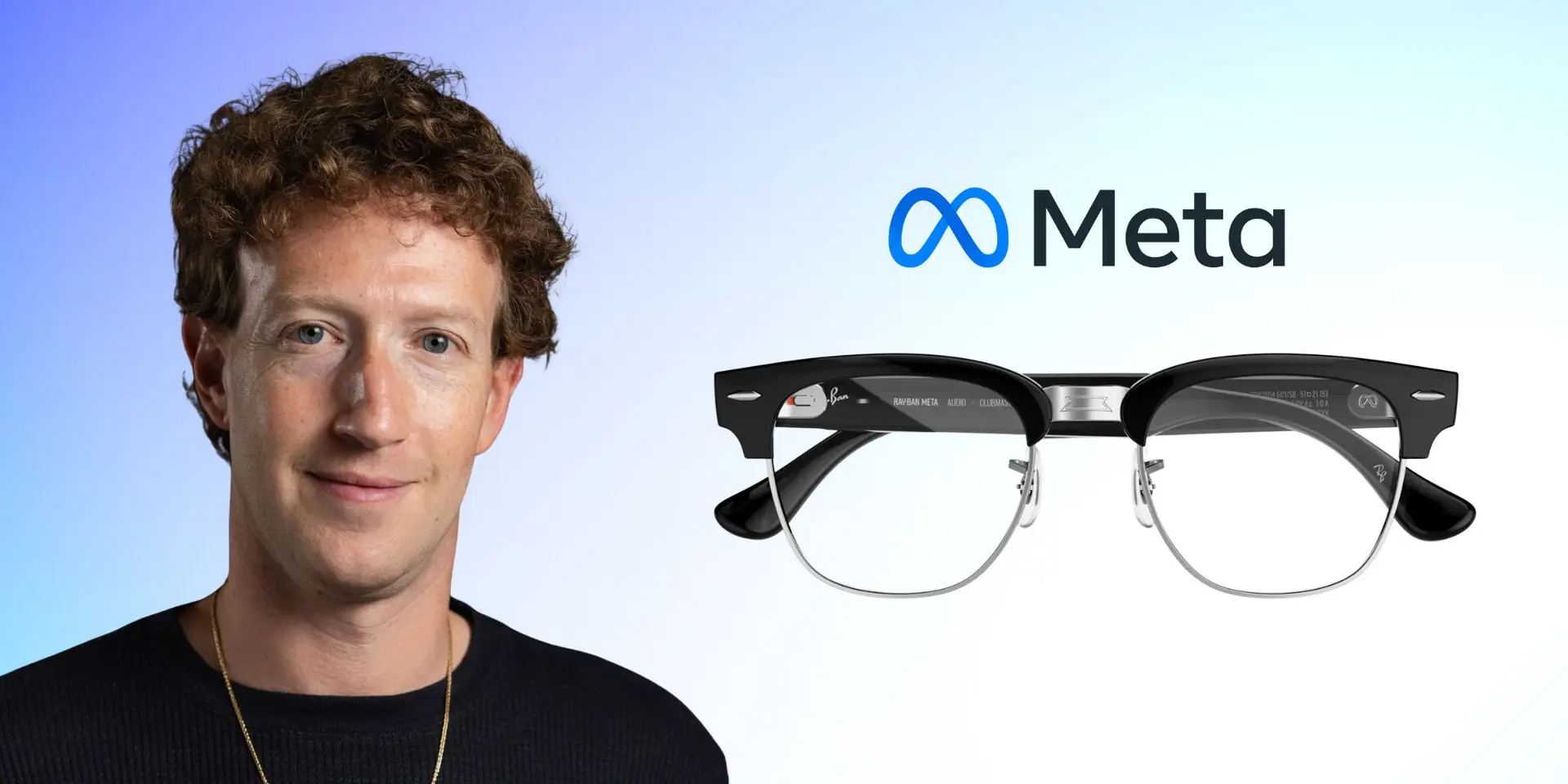

Meta’s newest smart glasses are built for your ears, not your eyes.
At its Connect 2026 conference, the company unveiled Ray-Ban Meta Audio, its first camera-free pair of AI glasses. The move puts voice, music and AI assistance at the centre of the experience while removing one of the most debated features of smart eyewear: the camera.
We had earlier covered Meta’s reported camera-free glasses, internally codenamed Luna, which were expected to focus on voice-based AI and privacy. That idea has now taken shape as Ray-Ban Meta Audio.
Meta takes the camera out of the equation
Cameras on smart glasses have always created a privacy question: how does someone nearby know when they are being recorded?
Meta’s existing glasses use a capture light to indicate when recording is taking place, but that has not eliminated concerns about cameras being worn in places such as offices, schools and public spaces.
Ray-Ban Meta Audio takes a simpler approach by removing the camera altogether.
Without one, the glasses cannot capture photos or videos or use visual AI to understand the wearer's surroundings. Instead, Meta is positioning them more like wireless earphones built into everyday eyewear.
AI, calls and music without a camera
Designed with long-time eyewear partner EssilorLuxottica, Ray-Ban Meta Audio starts at $349. Meta says the glasses weigh 43 g and can deliver up to 12 hours of battery life on a single charge.
Users can listen to music and podcasts, take calls, translate speech and interact with Meta’s AI assistant, Muse. The glasses come with adjustable temple tips, swappable nose pads and overextension hinges.
There are 23 colour and lens combinations, including two new frame styles: the retro-inspired Clubmaster and rectangular Burbank. Prescription lens customisation will also be available.
Meta is still betting on camera-powered glasses
The camera-free approach is not replacing Meta’s existing vision for AI eyewear. Zuckerberg's firm also introduced Ray-Ban Meta Gen 3 glasses with cameras in Wayfarer, Aviator and Zena styles.
All of Meta’s AI glasses will get access to Muse, while the company has also teased features including Dolby Atmos Capture, improved photo selection, different audio modes, hearing enhancements and private processing.
That leaves Meta with two different approaches to AI glasses. One uses cameras to understand the world around the wearer. The other focuses on voice and audio while leaving the camera behind.
Pre-orders for Ray-Ban Meta Audio begin on October 13.
The question now is whether users want their glasses to see more of the world, or simply help them hear and interact with it without making the people around them wonder if they are being recorded.