


Sam Altman says ‘enough’ to questions over OpenAI’s revenue
On a podcast, OpenAI’s chief insisted annual revenue is “well more” than $13B and pushed back at doubts over how the company will fund its vast compute plans.

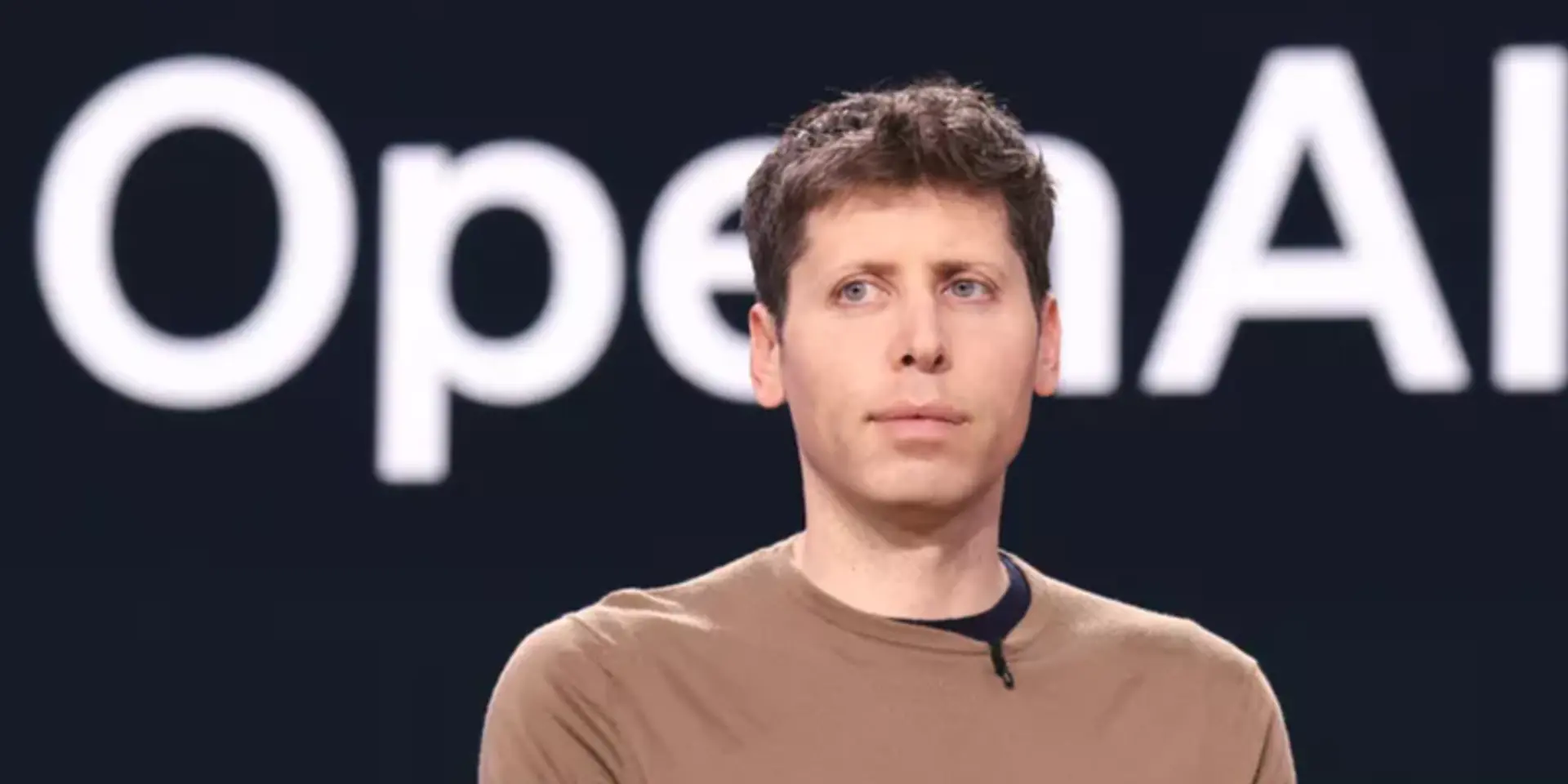

OpenAI’s chief executive, Sam Altman, has pushed back at persistent scrutiny of the company’s finances, saying its annual revenue has been “well more” than the widely cited $13 billion figure and signalling impatience with repeated queries about how the business will fund massive compute plans.
The remarks came during a podcast interview on 2 November 2025 alongside Microsoft’s Satya Nadella.
Pressed on reports that OpenAI has generated around $13 billion a year, Altman replied: “First of all, we’re doing well more revenue than that.
He also said one appeal of being public someday would be to counter “ridiculous ‘OpenAI is about to go out of business’ posts.”
Why has revenue become a flashpoint?
OpenAI’s plans have involved unprecedented infrastructure commitments, prompting questions about how revenue growth matches spend.
Recent reporting put those buildouts in the hundreds of billions of dollars, while Altman and Nadella have argued the investment is necessary to meet demand for AI systems.
Partnerships have underpinned the strategy. In October, OpenAI signed a multi‑year chip‑supply agreement with AMD that includes a warrant giving OpenAI the option to buy up to 10% of AMD, and points to further scaling of GPU capacity over 2026.
Nadella meanwhile stressed the sector’s immediate constraint is electricity, noting Microsoft at times has not had enough power to plug in all the AI GPUs it holds context that helps explain the scale and timing of new data‑centre projects.
By claiming revenue above prior estimates and expressing frustration at repeated questions, Altman sought to shift the narrative from whether OpenAI can pay for compute to how fast its commercial lines from ChatGPT subscriptions to enterprise tools and platform usage have been growing.
At the same time, he acknowledged in separate disclosures this year that some premium subscriptions have not always covered costs.