


Why semiconductor chip vendors must think like software startups to survive the AI gold rush
If software sells hardware—and it does—then choosing the right software ally isn’t just smart, it’s strategic survival.

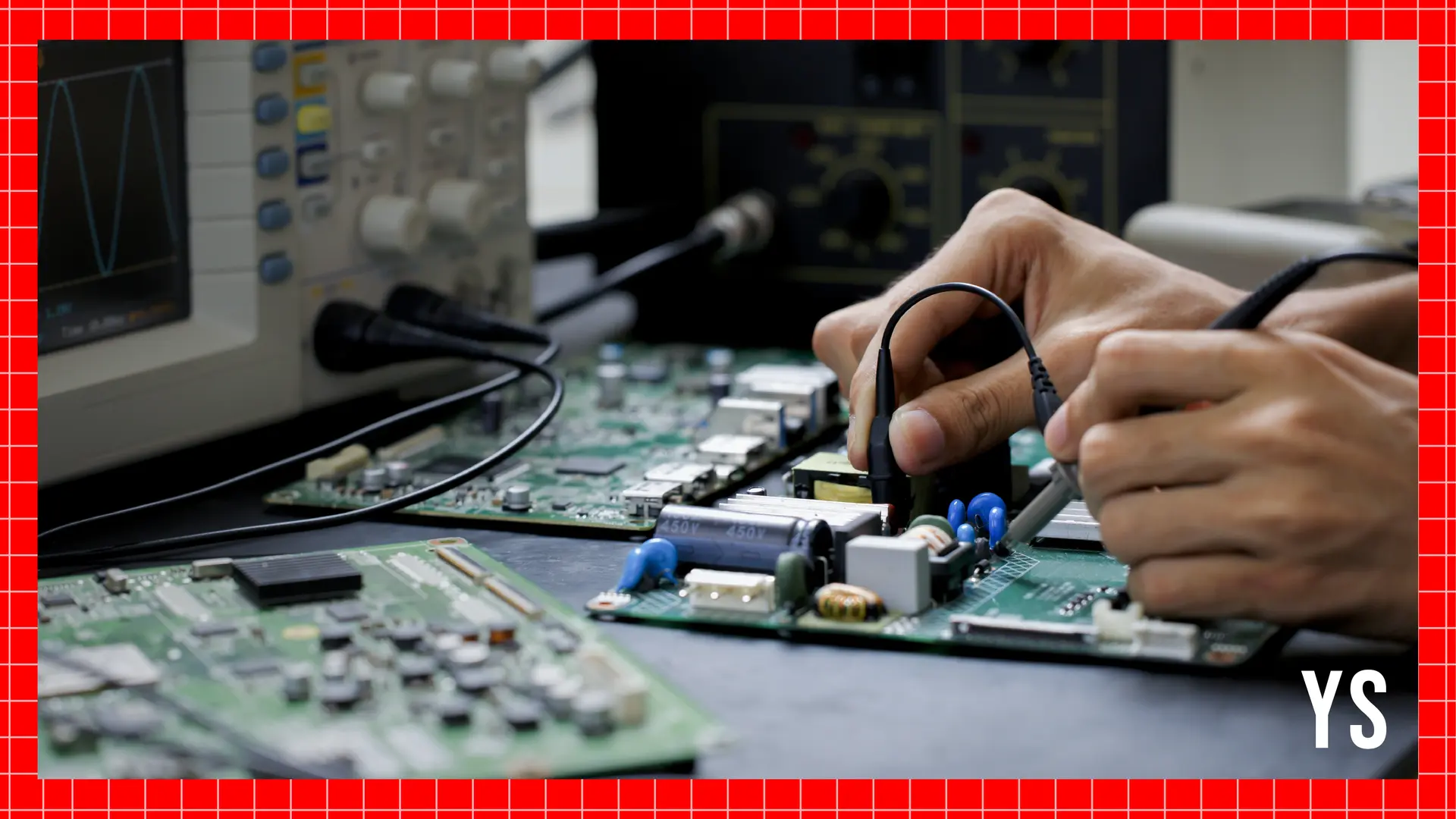

In the fast-evolving world of semiconductors, the golden rule is clear: to sell hardware, you need software that shows what those chips can actually do. Nowhere is this more evident than in artificial intelligence. Specialised chips are built to power AI workloads, but it’s the software that brings them to life.
Giants like Nvidia understand this deeply. It is not just designing cutting-edge silicon; it is acquiring software companies to build AI tools, applications, and full-stack ecosystems that make their chips irresistible to developers.
It’s a self-sustaining loop: better apps drive chip demand, which funds better software, which sells even more chips. Smart, right?
Now, AMD is making a bold move with its next-gen AI server platform for 2026 to compete with Nvidia’s flagship systems. And with OpenAI set to adopt AMD’s latest chips, it’s clear the battleground is shifting—from standalone chips to full-stack, software-rich platforms.
The budget bind most players face
The global semiconductor industry clocked $627 billion in sales in 2024 and is projected to hit $697 billion in 2025, with AI chips contributing over $150 billion—putting it on track for the $1 trillion goal by 2030.
But it’s a fiercely competitive field, especially for smaller players without deep pockets. Demand from AI developers, OEMs, and enterprises is rising for chips that come bundled with optimised software libraries and integrated ML frameworks.
Yet, building software, hiring engineers, testing across platforms, and keeping it updated puts serious pressure on already strained R&D budgets.
Simply put: you need software to sell hardware.
For these vendors, every software dollar is a calculated risk. But without it, their chips have nothing to power, nothing to prove. Hardware alone won’t suffice; without a deployable software stack, it risks being overlooked. The companies that make it easiest for developers to integrate and build on their hardware will win. That’s the new rule of the game.
You can’t compete on specs alone. Developers and customers now expect chips that plug seamlessly into modern AI development workflows. They want to prototype and scale now—not after six months of integration pain.
The real challenge: how can resource-constrained semiconductor companies deliver a software experience of Nvidia or AMD without burning their bank?
The smarter route: Partnering with embedded software experts
One answer lies in strategic partnerships with embedded software specialists. These firms bring deep expertise in Wi-Fi, IoT, TinyML, and Edge AI—exactly the stack modern chips need to become product-ready.
Instead of investing heavily in in-house software teams, semiconductor companies can work with seasoned partners who understand how to build AI workloads, develop software hubs, and launch demos that show chips at their best. The result? A polished, deployable software stack—without the overhead.
Additionally, these partnerships often lead to real-world validation. Suddenly, your chip isn’t just high-performance hardware; it’s the engine behind an intelligent solution.
Real-world partnership models
So, what do these collaborations look like IRL?
Consumer-driven pull
Imagine a retail chain grappling with ATM skimming and checkout fraud. It needs real-time computer vision to detect suspicious behaviour. Its payment platform vendor turns to a chipmaker with the right silicon—but now it needs intelligent software to make it work.
An embedded software partner steps in to co-develop the vision analytics stack, enabling a full solution for deployment. Everyone wins: the chip gets adopted, the retailer solves its fraud issue, and the software firm demonstrates its AI capabilities.
Vendor-driven push: Chips that need a stage
Often, the push begins with the vendor. A powerful chip without a killer app is just untapped potential. So, they partner with embedded software experts to create demos or integrate with platforms that showcase real-world use cases—sometimes even before landing a customer.
For example, an edge AI chip maker might build a “smart traffic camera” demo to highlight ML capabilities and attract smart city providers—often sparking unexpected demand and new use cases.
The phone example: Scale through shared ecosystems
Still not convinced? Look at how phone makers leverage Android. Instead of developing their own OS and ecosystem, they use Android to instantly access a vast user base and save massively on development costs. It’s a textbook example of software selling hardware.
Final word: Choose your partner wisely
In today’s AI-first world, chip companies can’t afford to treat software as an afterthought. It’s the front door to their product. The right embedded software partnership doesn’t just de-risk your go-to-market strategy—it accelerates it.
Because your chip isn’t just competing on specs. It’s competing on story. And great software tells that story best. If software sells hardware—and it does—then choosing the right software ally isn’t just smart, it’s strategic survival.
Rajesh C Subramaniam is the CEO and Founder of embedUR.
Edited by Suman Singh
(Disclaimer: The views and opinions expressed in this article are those of the author and do not necessarily reflect the views of YourStory.)