



Tech layoffs in 2026: AI spends reshape teams across Big Tech and beyond
Tech layoffs are back in 2026, but not for the reasons you think. As companies pour billions into AI, data centres and niche talent, who’s getting cut and who’s cashing in?

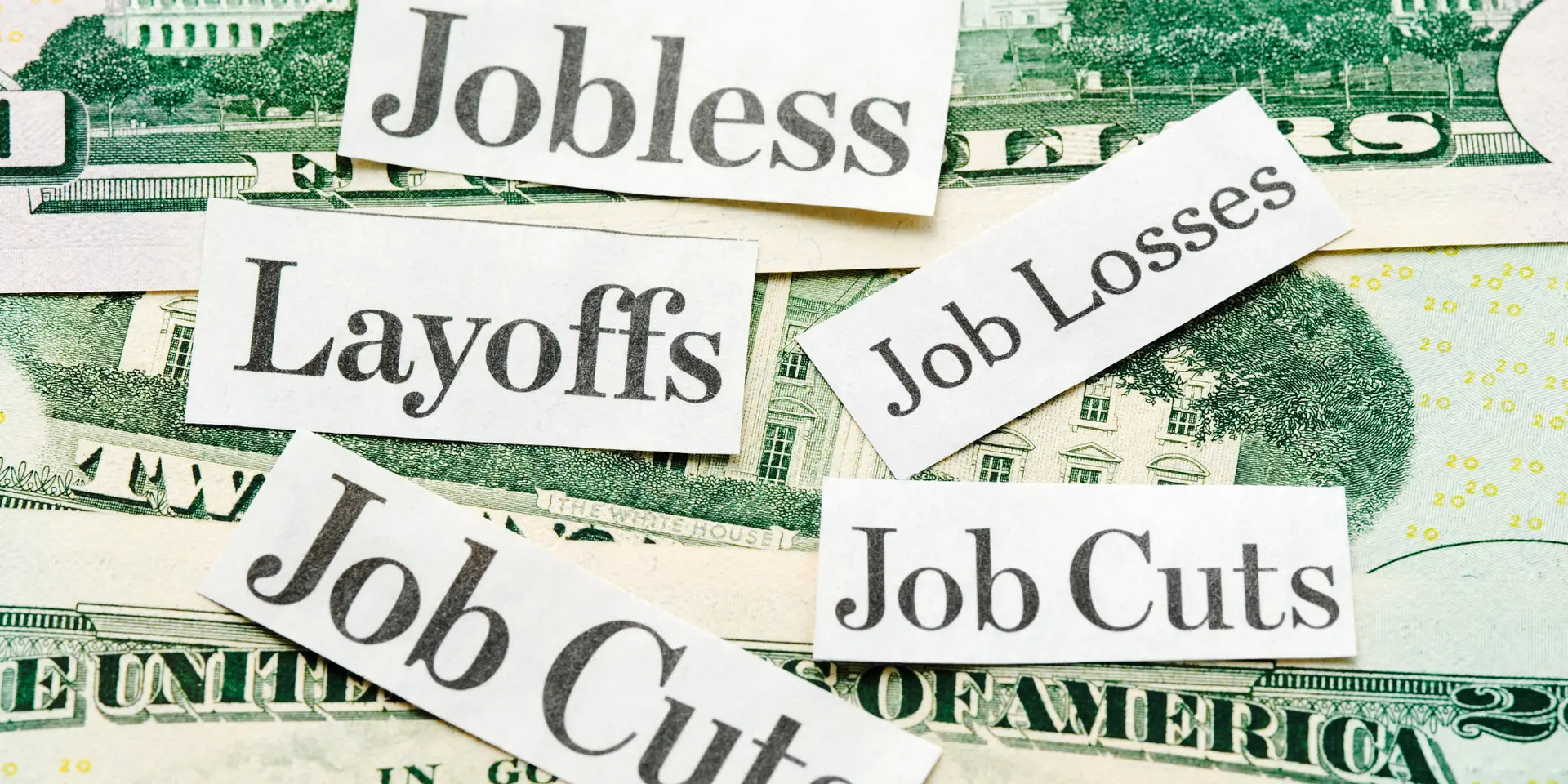

Layoffs are back! But this time, they are to cut costs. Across Big Tech and enterprise software, companies are trimming teams to fund something else. AI.
From social media to cloud, fintech to gaming, job cuts are increasingly tied to long-term bets on artificial intelligence and infrastructure. Here's what's happening in these tech layoff rounds!
A wave that started early in the year
The tone for 2026 was set in January. Amazon cut around 16,000 corporate roles globally. The company said the move was aimed at reducing layers and simplifying operations, even as it continued investing in high-growth areas. This signalled a broader pattern. Companies were not stepping back from growth. They were reallocating resources.
AI spending is changing hiring priorities
The biggest driver behind these layoffs is AI investment. At Meta, reports suggest plans to cut about 8,000 roles, nearly 10% of its workforce. At the same time, the company is hiring for specialised AI roles.
CEO Mark Zuckerberg has made it clear that 2026 will be shaped by AI-led transformation. This creates a paradox. Companies are hiring and firing at the same time.
The shift is not limited to consumer tech. Atlassian announced around 1,600 layoffs, about 10% of its workforce, to fund AI and enterprise sales expansion. Salesforce also reduced fewer than 1,000 roles across teams while sharpening its AI focus. These moves highlight a consistent trend. AI is a budget priority.
Even strong performers are cutting roles
Layoffs are not just happening at struggling companies. ASML, despite strong financial performance, is planning to reduce around 1,700 management roles. In gaming, Epic Games laid off over 1,000 employees as it adjusted costs after heavy investments. This shows that efficiency, not just revenue pressure, is driving decisions.
Fintech and infrastructure companies follow suit
The trend extends to fintech and infrastructure. Block announced plans to cut about 4,000 jobs, directly linking the move to productivity gains from AI tools. At Oracle, reports suggest large-scale layoffs between 20,000 and 30,000 roles, as the company pivots towards AI data centre investments.
These are structural shifts in how companies allocate capital. Layoffs are spreading beyond tech companies. The impact is also visible outside traditional tech firms. Nike announced around 1,400 job cuts, many within technology teams.
This indicates that AI-driven restructuring is affecting any organisation with a significant tech function.
Not all companies are choosing layoffs
Some are taking a different approach. Microsoft is reportedly offering voluntary buyouts to employees instead of direct layoffs. This allows workers to exit with benefits rather than being forced out. It also gives companies more flexibility in reshaping teams.

What this means for professionals and startups
For employees, the message is clear. Skills are being repriced. Roles tied to routine tasks or overlapping functions are more vulnerable. At the same time, demand is rising for expertise in AI, data and cloud infrastructure.
This creates both risk and opportunity. Professionals who adapt can move into high-demand roles. Those who do not may find fewer options. For startups, the situation is mixed. On one hand, layoffs are releasing experienced talent into the market.
This creates hiring opportunities for growing companies. On the other hand, competition for AI talent is intensifying. Founders are also facing a similar challenge to large companies. How do you invest in AI without significantly increasing costs?
The new reality of tech jobs
It is easy to read layoffs as a sign of a slowdown. But in 2026, they tell a different story. Companies are repositioning. Budgets are moving towards AI infrastructure, data centres and specialised talent. Everything else is being adjusted to support that shift.
Across industries, organisations are redesigning teams, processes and spending to align with an AI-first future. For professionals and companies alike, the takeaway is clear. AI is no longer optional. And the workforce is being rebuilt around that fact.