


YouTube updates monetisation policy to block low-quality, AI-generated content
YouTube updates its monetisation checks to tackle the surge in low-quality, AI-generated videos disrupting viewer and advertiser trust.

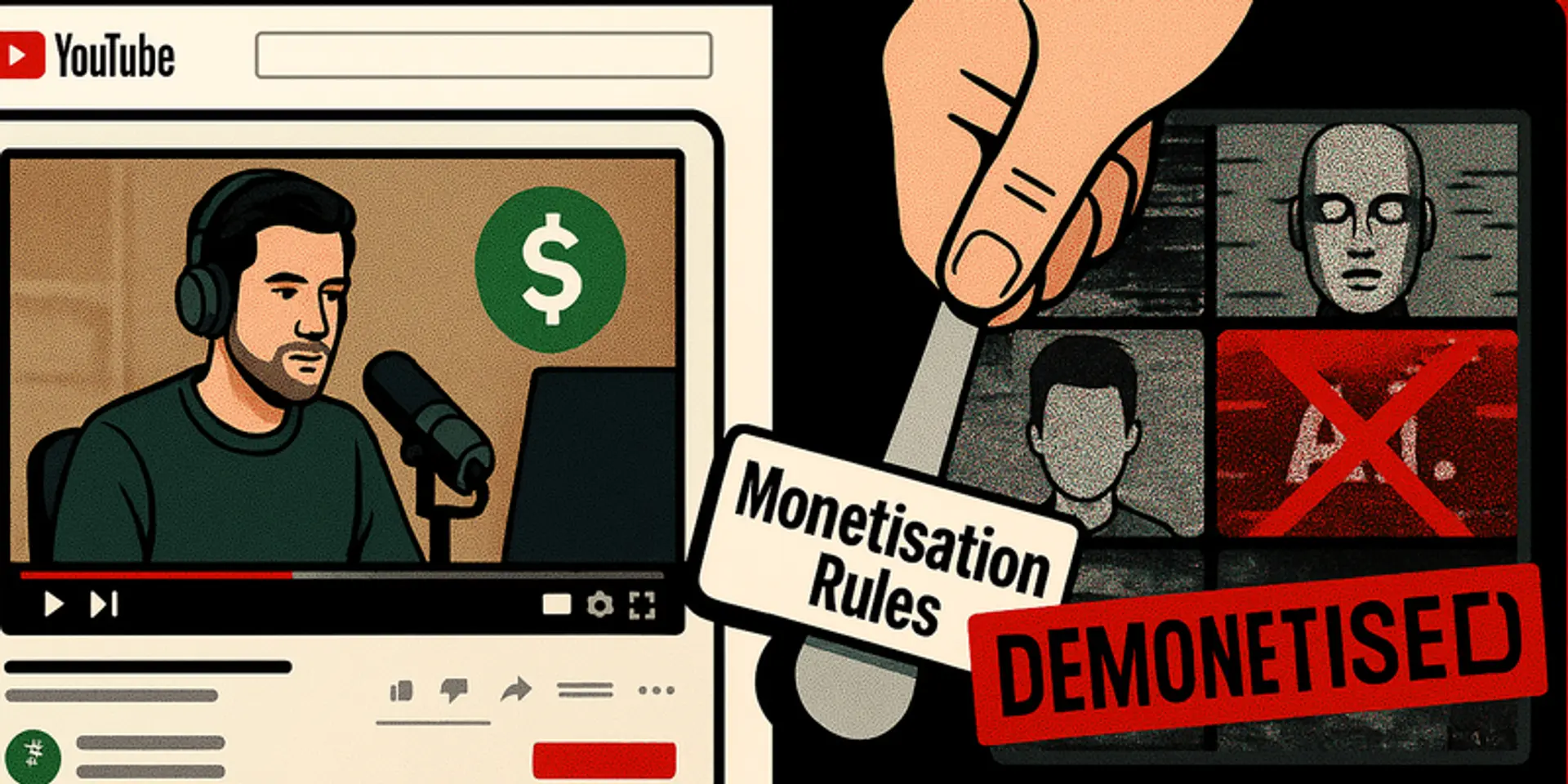

YouTube is rolling out stricter eligibility checks for its monetisation programme in response to a surge in low-quality, AI-generated videos—commonly referred to as “AI slop.” The changes are part of a broader effort to maintain content standards as generative AI tools become increasingly accessible.
Revised entry requirements for monetisation
To join the YouTube Partner Programme (YPP), creators must now meet updated criteria, which vary by country. In the US, UK, South Korea, Taiwan, and Canada, the platform had earlier lowered the bar in 2023 to 500 subscribers and either 3,000 watch hours in the past year or 3 million Shorts views in 90 days. However, the company is now putting greater emphasis on manual content reviews before approving monetisation.
YouTube’s head of monetisation, Conor Kavanagh, told The Verge that new applicants will be subject to additional scrutiny. These checks will help identify channels producing low-effort, mass-generated AI content or those recycling existing content with minimal transformation.
Rise of AI slop triggers platform concerns
The move follows a noticeable increase in AI-generated videos that are visually or narratively repetitive, misleading, or of poor quality. These videos often exploit search algorithms to gain views but offer little value to viewers. Referred to colloquially as “AI slop,” such content is typically churned out in bulk using generative AI tools and text-to-video software.
Concerns have grown across the industry as AI-generated content floods platforms like YouTube, TikTok, and Instagram. Creators, viewers, and advertisers alike have voiced frustration over declining content quality and trustworthiness.
In response, YouTube said it is “strengthening our ability to enforce against channels that are not following our policies and guidelines.” The platform is also increasing transparency around how AI is used in content creation, including updated disclosure requirements for creators.
Manual reviews and policy enforcement
Under the updated approach, all creators applying to the YPP will face manual content reviews before approval. YouTube will assess whether channels comply with its monetisation policies, including originality, quality, and adherence to community guidelines.
Channels found to be violating policies—even after gaining monetisation—may face removal from the programme. The company emphasised that the enforcement is part of a broader effort to protect viewer experience and advertiser trust.
While YouTube did not provide a specific timeline for rollout across all regions, it confirmed that the policy changes are being implemented gradually and globally.