



Newcycl: Turning Household Waste into a Climate Solution
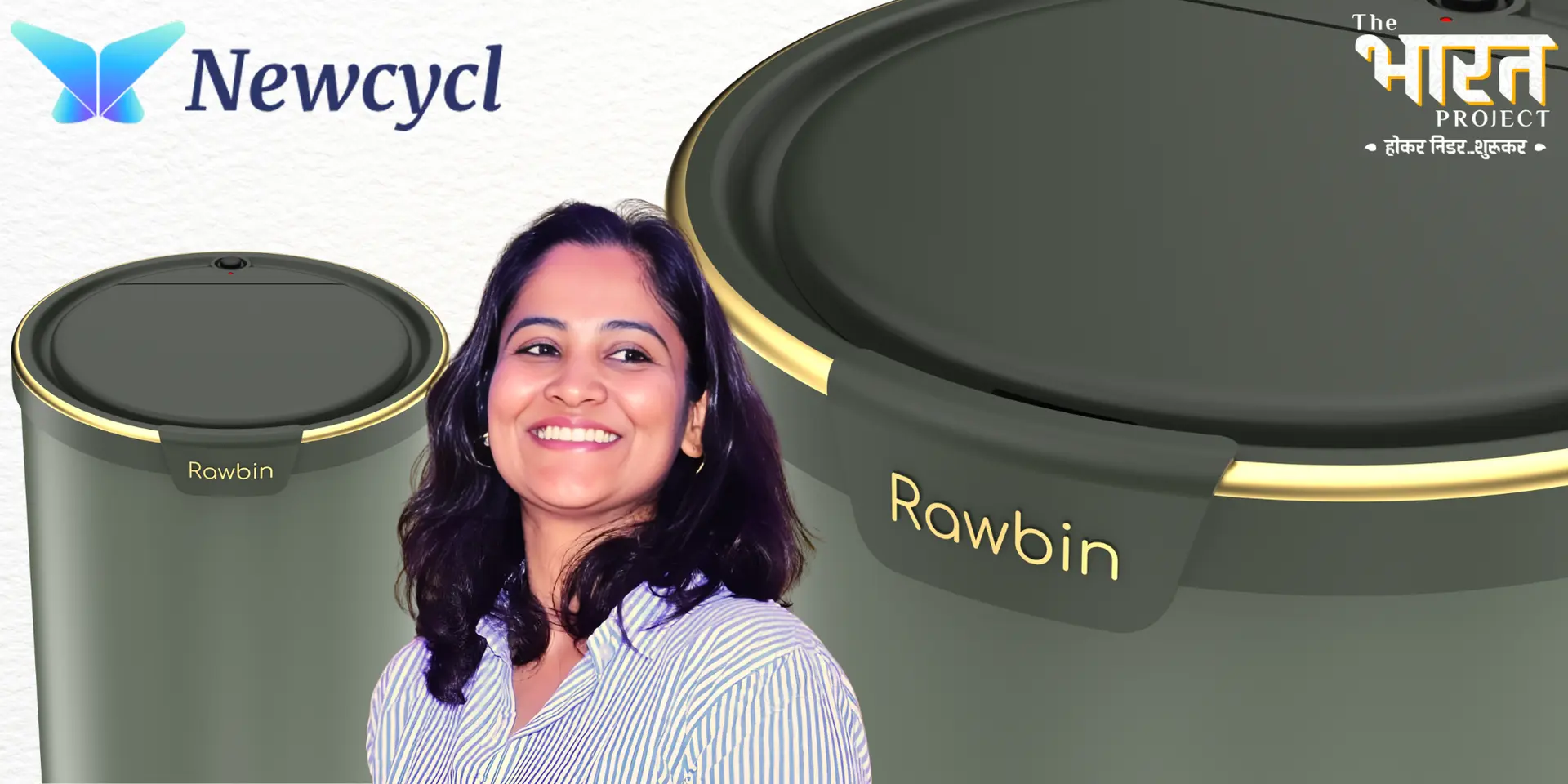
Meet Newcycl, which empowers urban homes to fight climate change with a smart, compact composting solution that fits any lifestyle.


Key Takeaways
- Newcycl is tackling the global food waste crisis by targeting household wet waste through smart, accessible composting.
- Its flagship product, Rawbin, is an IoT-enabled composter designed to transform food waste into compost in just 7 days.
- The startup's mission is rooted in creating circular, climate-positive systems by empowering urban households.
In the midst of the 2021 pandemic, Anu Khandelwal found herself questioning the invisible systems behind waste. What began as a personal attempt to live zero-waste quickly spiralled into a deeper discovery: the bottleneck of the global waste crisis isn’t industrial, it’s domestic. With that realisation, Newcycl was born.
Having worked as a data scientist at Twilio and two other companies before pursuing a master’s degree in the UK, Anu confronted India’s waste infrastructure firsthand during her thesis on North Delhi's garbage system.
The findings were grim—not waste management, but waste displacement. Her response was both innovative and grounded: build a household composter that actually works.
Rawbin: The Smart Home Composter
Newcycl’s flagship product, Rawbin, is a compact, IoT-enabled composter that automates the transformation of daily kitchen waste into nutrient-rich compost within a week. Designed for apartment dwellers, it uses a proprietary mix of industrial by-products, brewery spent grain, sawdust, and gypsum to create an optimised microbial environment.
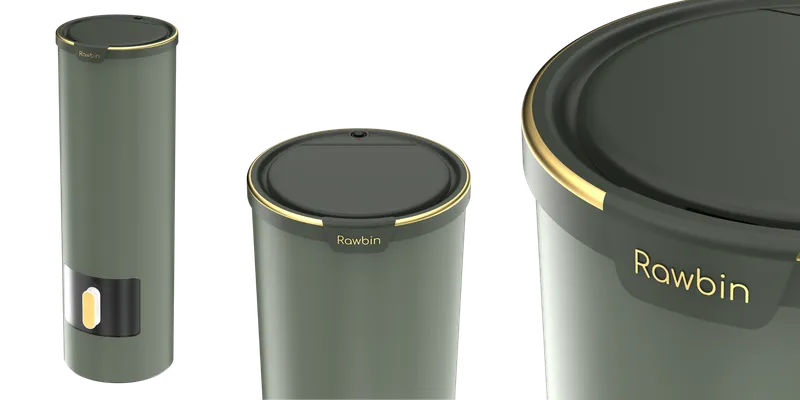
Equipped with smart sensors that regulate moisture, airflow, and temperature, Rawbin offers a no-odour, no-fly, and no-worm experience. For those who don’t garden, Rawbin offers a compost exchange program, partnering with smallholder farmers to complete the waste-to-soil loop.
Circular Economy Meets Climate Tech
Food waste contributes up to 10% of global greenhouse gas emissions, with post-consumption waste (FW3) responsible for over a billion tons of CO2e annually. By targeting FW3 directly in homes, Newcycl aims to mitigate methane emissions at the source while enhancing soil health and easing the burden on waste infrastructure.
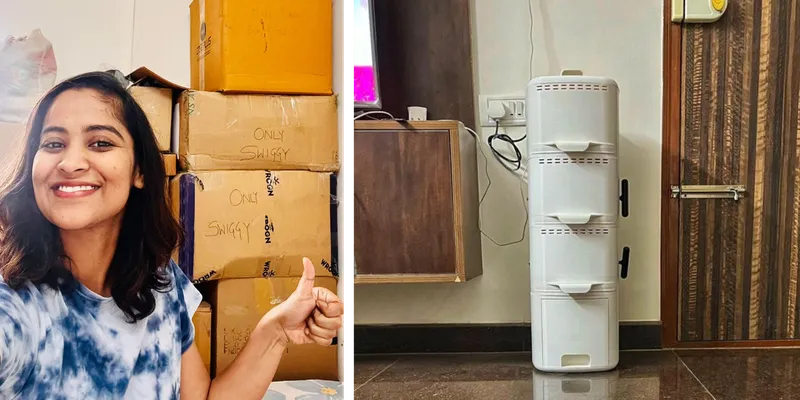
Rawbin's First Prototype
Newcycl isn’t just selling composters; it’s building a circular food ecosystem. Its decentralised model reduces the need for waste collection fleets and processing plants, making it inherently scalable and globally adaptable.
Market, Model, and Mission
The Indian urban market alone holds a $6 billion opportunity with over 60 lakh compost-aware households. With Rawbin available in three sizes (priced between Rs 9,499 and Rs 11,499) and supported by a recurring compost mix purchase, Newcycl combines one-time product sales with subscription-like revenue.
Though not yet commercially launched, the company has already sold over 100 units through word-of-mouth alone. Its grassroots GTM strategy, demo stalls in nurseries, compost-for-coffee programs, and community WhatsApp groups—is designed to build trust and habits, not just sales.
Backed by Purpose, Built for Scale
Supported by incubators like NSRCEL, IIM Bangalore, and SIIC IIT Kanpur, Newcycl has received ₹76 lakhs in grants, which have powered product development. Plans to raise equity funding will support mass manufacturing, offline marketing, and behaviour-change programs.
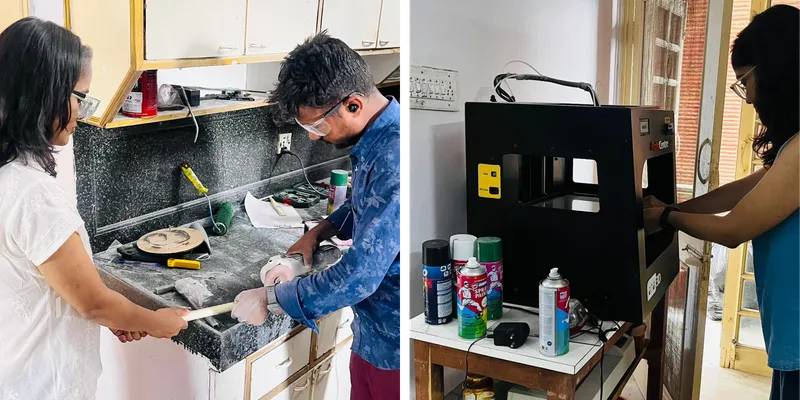
The team of five is lean but driven, with Anu leading everything from research to fundraising. Hiring prioritises mission alignment over credentials—a philosophy that matches Newcycl’s commitment to impact.
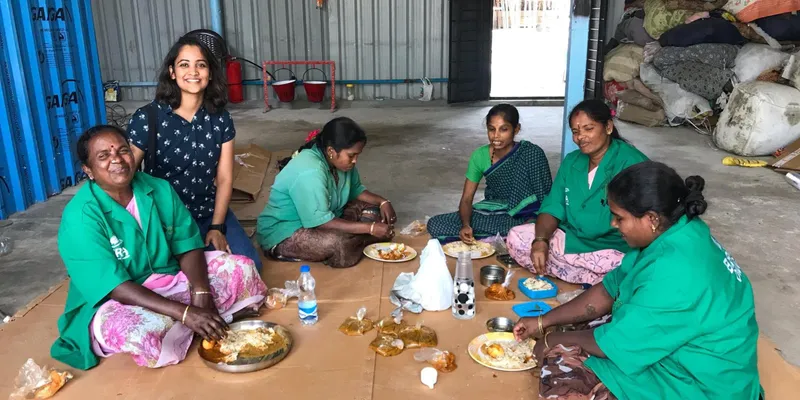
"Fall in love with the problem, not just the solution," says Anu. For founders, she advises starting small, staying purpose-driven, and being open to feedback. Because when the mission is clear, every challenge becomes a step forward.
Recognition and Road Ahead
Rawbin has been spotlighted by the New York Times and nominated for the prestigious Food Planet Prize. Its long-term target? Deploying 65 million Rawbins globally to cut household food waste emissions by 1 billion tonnes over the next decade.
Short-term plans include expanding manufacturing, running pilots in Tier-2 cities and international markets, and embedding Rawbin into urban ecosystems via cafes, markets, and nurseries. Newcycl is on a mission to normalise composting, not as a fringe hobby, but a default climate action.