



EV batteries for drones: Unlocking possibilities in agriculture, surveillance
As drone adoption is increasing, India’s vast and diverse geography, traditional battery technologies are proving inadequate. This is where electric vehicle (EV) battery innovation is opening up fresh possibilities.

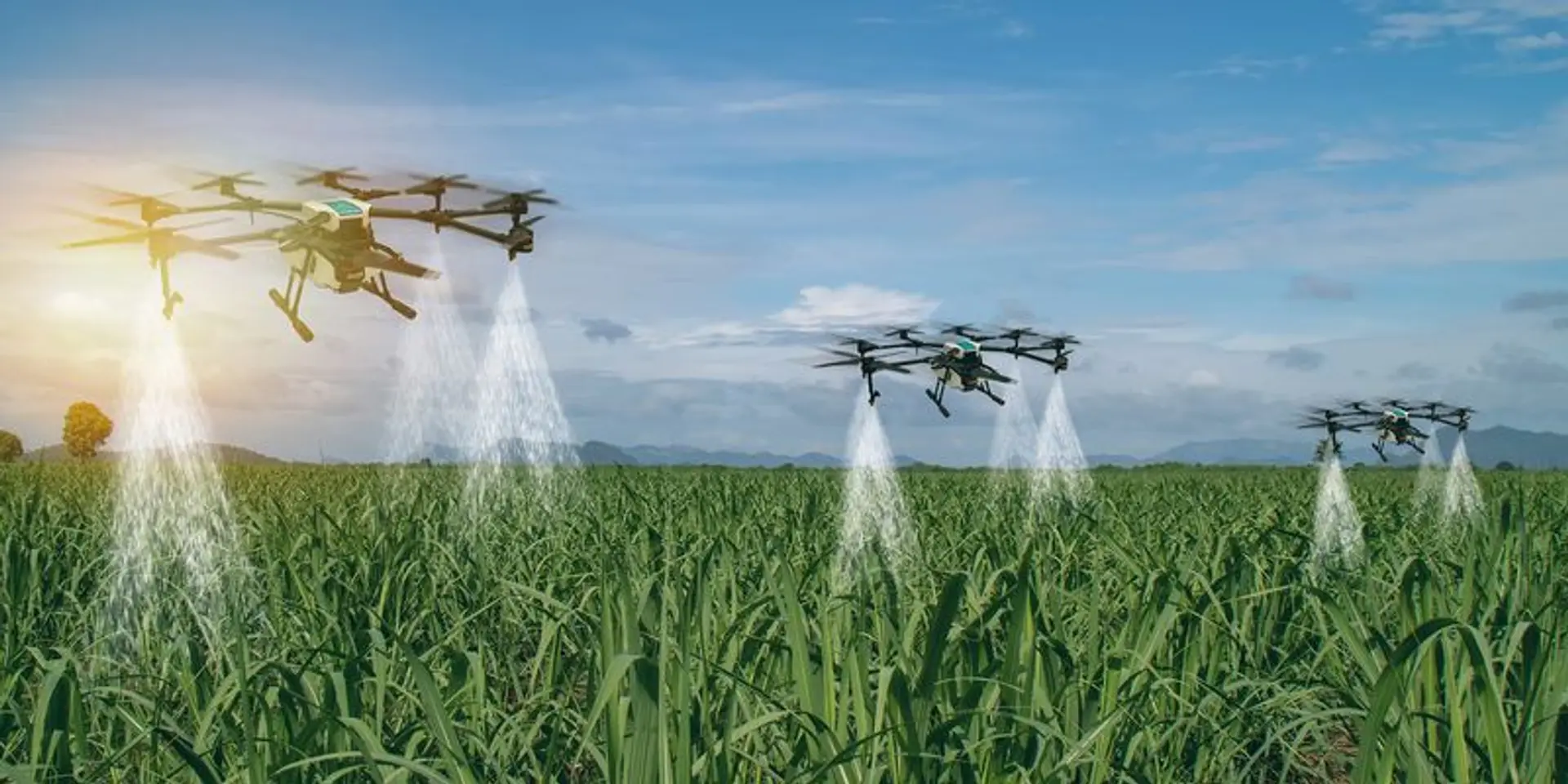

Across India, drones are no longer limited to experimental trials or promotional showcases. They are quietly but steadily becoming part of real-world solutions—delivering medical supplies in the Northeast, surveying border areas in Rajasthan, and spraying fertilisers over the paddy fields of Andhra Pradesh. At the centre of this quiet revolution is a critical component: the battery.
As drones take on heavier roles across India’s vast and diverse geography, traditional battery technologies are proving inadequate. This is where electric vehicle (EV) battery innovation is opening up fresh possibilities, especially in the Indian context where terrain, climate, and infrastructure gaps all pose unique challenges.
Diverse terrain demands better batteries
India’s geography is one of extremes. The Himalayan belt demands altitude performance. The Thar Desert subjects machines to dust and heat. Coastal regions like Odisha and West Bengal need resilience against humidity. These conditions are hard on any machine, but particularly challenging for drones that rely on lightweight, efficient batteries.
Most commercial drones in India have used lithium-polymer (LiPo) batteries, which offer good initial performance but degrade quickly in hot or humid conditions. In states like Telangana or Gujarat, where summer temperatures regularly cross 45°C, battery life drops significantly. Frequent replacements drive up operating costs, especially for agri-drone startups or logistics providers working on tight margins.
This is where EV-grade lithium-ion and emerging lithium-sulfur batteries, designed for harsher conditions and higher energy density, are finding new relevance in the drone ecosystem.
Remote logistics
In remote regions like Arunachal Pradesh, Ladakh, Meghalaya, or parts of Chhattisgarh, access to roads and transport is limited. In these regions, drone delivery plays a vital role in ensuring timely access to essential goods and services. Medical drones carrying vaccines, blood samples, or life-saving drugs rely heavily on battery range and turnaround time.
EV batteries with higher density allow drones to fly farther and carry heavier loads. For example, lithium-ion battery modules used in electric scooters are now being adapted for drones, allowing delivery runs of 15–20 km on a single charge. This is enough to connect a local health centre in a town with a remote tribal village or deliver essential supplies after a flood or landslide.
In addition, fast-charging capabilities developed for EVs are now being applied to drone operations. With limited power infrastructure in many rural or semi-urban areas, the ability to recharge a drone battery in 30 minutes instead of two hours makes a big operational difference.
Enhancing surveillance in difficult terrains
India’s border zones and forest regions require focused and frequent surveillance. Whether it’s monitoring forest activity in Jharkhand or tracking coastal areas in Kerala, drones are steadily becoming a valuable tool for local authorities. However, older drone batteries often limit flight times to under 30 minutes, which is not enough to cover large areas or run consistent night-time patrols.
Newer EV batteries, especially those with smart thermal management systems, offer longer and safer operations. Drones equipped with infrared cameras or night-vision systems can now stay airborne for 45–60 minutes, which means fewer take-offs, better coverage, and less downtime.
In urban surveillance, too, cities like Bengaluru, Hyderabad, and Lucknow are beginning to deploy drones to monitor traffic, construction violations, and public events. Improved battery life allows these drones to operate in continuous loops across large areas without frequent battery swaps.
Meeting agricultural needs
Agriculture is where drone adoption in India can have the most meaningful impact. Farmers in Punjab, Tamil Nadu, and Maharashtra are already using drones for spraying fertilisers, pesticides, and micronutrients. However, these drones often carry 10–20 litres of liquid, which adds significant weight.
This is where EV battery innovations offer critical support. Batteries developed for electric rickshaws and two-wheelers are being customised for drone use. These packs offer longer flight times, better resistance to heat, and durability across 200+ charge cycles — essential for farming conditions.
In addition, the rise of drone-as-a-service models in agriculture is making batteries even more important. Instead of buying expensive batteries, farmers or drone service companies prefer swappable EV battery packs that can be charged off-grid using solar units or mobile charging vans.
The Road Ahead
Several trends are emerging in India that will shape the future of drone batteries:
● Localisation of battery production: Under India’s Production-Linked Incentive (PLI) schemes, local battery manufacturing is picking up. This is expected to bring down costs and make drone batteries more affordable and accessible to rural users.
● Battery swapping hubs: In states like Andhra Pradesh, discussions are underway to create drone battery swapping points for agri-service providers. These would allow faster turnaround and help scale operations.
● Smart battery management systems: Companies are building India-specific battery management systems that take into account heat, humidity, and voltage fluctuations—common issues in Indian villages and towns.
The real impact of EV batteries in the Indian drone sector lies in how they help overcome geographic and infrastructural limitations. From Himachal Pradesh’s mountains to Odisha’s flood-prone regions, better battery technology is enabling drones to fly farther, stay longer, and carry more safely and efficiently.
India’s geography is vast and complex. But with battery innovation tuned to local needs, drones can become more than flying machines; they can become dependable tools that bridge critical service gaps in healthcare, agriculture, and governance.
Pratik Kamdar is the Co-Founder of Neuron Energy, a clean energy startup driving innovation in EV batteries, chargers, and sustainable mobility solutions.
(Disclaimer: The views and opinions expressed in this article are those of the author and do not necessarily reflect the views of YourStory.)