



Indian semiconductor market may grow over 2X to Rs 9.6 Lakh Cr by 2030
The Indian semiconductor market was about $45-50 billion in 2024-2025, against $38 billion in 2023, the statement said, citing industry estimates.

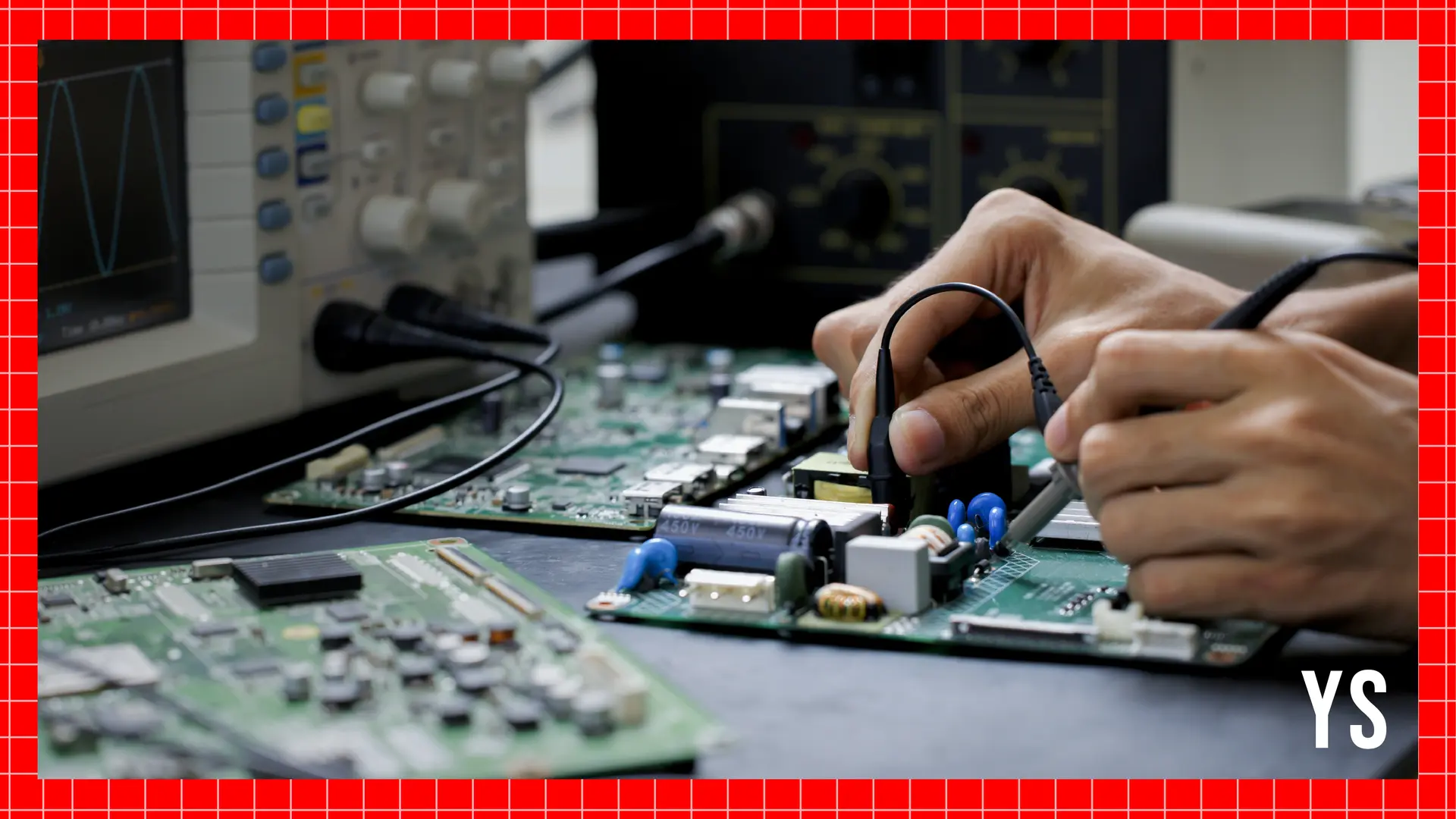

India's semiconductor market is expected to more than double, growing in the range of $100-110 billion by 2030, according to industry estimates, an official statement said on Sunday.
The Indian semiconductor market was about $45-50 billion in 2024-2025, against $38 billion in 2023, the statement said, citing industry estimates.
"As per industry estimates, the size of the Indian semiconductor market was about $38 billion in 2023, $45-50 billion in 2024-2025, and is expected to reach $100-110 billion by 2030," it said.
A detailed statement highlighting the need for semiconductors, efforts of the government and response from the industry cited the crisis faced by various technology segments, especially by the automobile industry, due to dependency on select geographies during the COVID pandemic and stressed the need for developing India as a trusted partner in the global supply chain.
"Currently, countries like Taiwan, South Korea, Japan, China, and the US dominate the semiconductor industry. Taiwan produces more than 60% of the world's semiconductors, including nearly 90% of the most advanced ones.
“Such dependence on a single region has exposed global supply chains to significant risks–from pandemics and natural disasters to geopolitical tensions. Recognising this challenge, many countries are now building secure and diversified supply chains," the statement said.
The United States, European Union, Japan, and South Korea have launched national strategies to support domestic chip manufacturing and reduce over-reliance on a single region. "India is emerging as an important and trusted partner in this global shift," the statement said.
The global semiconductor market is expected to reach $1 trillion by 2030, with India's market occupying a substantial portion of it.
India has the capacity to emerge as a key contributor to the three primary pillars of the semiconductor manufacturing supply chain—equipment, materials and services, and R&D.
It stated that India can leverage a strong base of MSMEs to produce components for semiconductor equipment, and it has a rich source of chemicals, minerals, and gases, which can be utilised by semiconductor supply chain companies. Services R&D, logistics and supply chain, major talent in AI, big data, cloud computing, and IoT are major strengths, the statement said.
The government has already launched the India Semiconductor Mission in December 2021 with an outlay of Rs 76,000 crore to provide financial support for investments in semiconductor fabrication, display manufacturing and chip design to strengthen India's integration into global electronics value chains.
Industry players, including US memory chip maker Micron, Tata Electronics (TEPL) in partnership with Powerchip Semiconductor Manufacturing Corp (PSMC) of Taiwan, CG Power & Industrial Pvt Ltd in partnership with Renesas & Stars, Tata Semiconductor Assembly and Test Pvt Ltd (TSAT), Kaynes Semicon, HCL-Foxconn JV, have committed a total investment of over Rs 1.55 lakh crore to produce semiconductors in India.
The government under the ISM has made a Rs 1,000 crore provision for Design Linked Incentive for chip design, of which it has committed Rs 234 crore financial support for eligible startups.
"The government had committed the support of Rs 234 crore for the chip design projects from 22 companies with a total project cost of Rs 690 crore. These chips will be used in CCTV cameras, mobile networks, satellites, cars, smart devices, etc.
The government, under its vision for semiconductor ecosystem development, supports Semicon India—a flagship event organised in partnership with SEMI (Semiconductor Equipment and Materials International).
The platform brings together global industry leaders, policymakers, academia, and startups to foster investment, dialogue, and strategic partnerships.
Semicon India 2025 will be held from September 2-4, 2025, at Yashobhoomi (IICC), New Delhi.
Edited by Suman Singh