


Beyond Bitcoin: How tokenisation of real-world assets can transform India’s investment landscape?
At its core, tokenisation means conferring ownership rights of real-world assets into digital tokens on a blockchain.

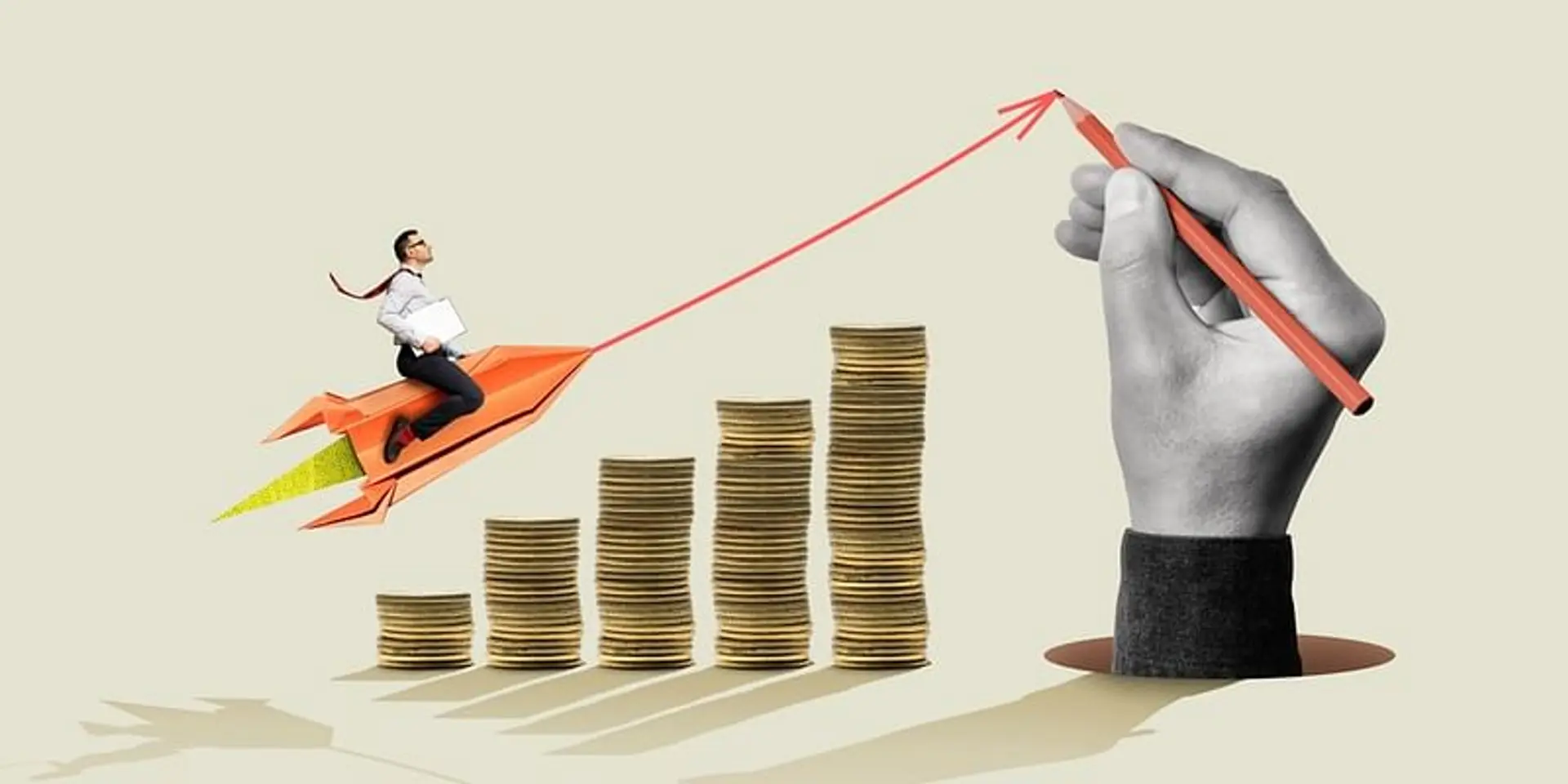

Over the past few years, India has surged ahead in financial services, driven by its digital-first approach. After all the excitement about crypto, the conversation has gradually shifted to a more pragmatic and potentially game-changing innovation, which is the tokenisation of real-world assets (RWAs).
One can confidently say that even as crypto has captured the headlines, with Bitcoin reaching new highs, it is blockchain technology with its ability to fractionalise, democratise, and simplify ownership of tangible assets that can emerge as a game-changer across many economic avenues.
At its core, tokenisation means conferring ownership rights of real-world assets into digital tokens on a blockchain. These tokens function like documents that prove ownership of physical assets, including real estate, gold, bonds, art and more. While crypto is a digital native asset, RWA tokens are backed by tangible assets, combining the benefits of traditional investing with blockchain's security and efficiency.
Taking it to the people
A major advantage of tokenised RWAs is the ability to enable fractional ownership. This involves breaking an asset’s value into smaller digital units, or tokens, each representing a specific share. In essence, it allows an individual to own part of a high-value asset, such as real estate, for a smaller sum, with less capital deployed. It lowers entry barriers, improves capital availability, and allows owners to sell their fraction at any time without having to deal with the entire asset. This makes premium investments more accessible.
For example, a small investor in a Tier II city may, under normal circumstances, be unable to invest in a high-end commercial property in the central business district of a metro city. Fractional ownership can make this possible.
It also helps maintain greater liquidity in the system, creating opportunities for assets such as artwork to be traded on digital marketplaces, similar to stocks or ETFs, in real time. This can aid diversification and provide long-term wealth management solutions. Before exploring further, let’s examine how tokenisation works in the real world.
What does it entail
In India, the potential for Bitcoin technology and tokenisation is immense. The Indian real estate market, for example, is projected to reach $1 trillion by 2030. Despite its scale, it remains largely inaccessible to small investors due to high costs. Tokenisation can change this by fractionalising property ownership, allowing retail investors to own portions of commercial or residential assets and earn significant rental yields. Smart contracts on the blockchain can further automate processes, reduce administrative overhead, and store ownership records immutably, minimising fraud and land disputes.
Gold is another strong candidate for tokenisation. Long regarded as a symbol of wealth and security, gold has also become a key investment tool in recent years. Tokenising gold simplifies trading while offering traceable, secure, and divisible ownership. New age platforms deal with products and services such as blockchain-based gold tokens, microinvestments in gold, which combine the trust of a traditional asset class with the convenience of digital infrastructure.
Bonds and other fixed-income instruments, including corporate bonds, municipal bonds, and government securities, can also benefit from tokenization. It can lower issuance costs, automate coupon payments, and expand access, democratising debt markets by enabling micro-investments from retail investors.
Even in the art world, tokenisation can enable shared ownership, opening new capital avenues for both artists and collectors. Venture capitalists could also use tokenisation to raise funds from a broader investor base without the constant pressure of an immediate exit.
Globally, countries are exploring blockchain-based tokenisation at scale, offering valuable lessons for India’s journey. Japan leads in real estate tokenisation, with firms like Kenedix and MUFG enabling investors to own fractional shares of properties, ranging from residential rentals to skyscrapers.
Platforms like those by GATES Inc. are making Japanese real estate accessible to global investors by simplifying legal and language complexities. Over 70 real estate-linked security token offerings have been issued, with tokenised assets exceeding $700 million under clear regulations. This approach is boosting liquidity, transparency, and accessibility in Japan’s property market.
Helping financial inclusion in Bharat
One of the biggest economic challenges India seems to face is achieving true financial inclusion, ensuring that the benefits of economic growth reach everyone. Tokenised assets could offer part of the solution.
In recent years, the development of strong digital infrastructure, through initiatives like India Stack, Aadhaar-enabled payment services, and UPI, has brought millions more into the formal financial system. Tokenisation can build on this progress by creating an effective, end-to-end consumer process that simplifies onboarding, verification, and transaction processing.
When these assets are made accessible through mobile-first platforms in regional languages, they can significantly improve access for rural communities, enabling them to participate in investment opportunities traditionally dominated by high-net-worth individuals (HNIs) and institutional players.
What does the future hold
As discussed earlier, the potential for tokenised assets is immense. However, these concepts must gain traction soon to move into the financial mainstream. Regulators, companies, and other stakeholders need to collaborate to develop standardised practices and secure digital marketplaces.
Encouraging signs are already emerging, with SEBI exploring blockchain for securities and the RBI advancing support for the digital rupee. With strong institutional backing and a robust policy framework, regulated exchanges and asset management companies (AMCs) could offer tokenised portfolios backed by tangible assets.
This could enable a future where a retail investor holds fractional units of farmland in rural Punjab, part of a prime office in Bengaluru’s central business district (CBS), tokenised corporate bonds, and more.
Tokenisation has the potential to redefine how we save, invest, and create wealth. It aligns with India’s $5 trillion economy ambition and can make capital markets more inclusive, efficient, and innovation-driven.
Tokenised RWAs could become the cornerstone of a new, decentralised investment framework, with it being accessible to all and seamlessly integrated into India’s financial fabric.
Raj Karkara, COO, ZebPay