



Elon Musk’s Marcohard Hiring Drive Aims to Build a Microsoft Rival
Elon Musk has launched a major hiring initiative for his new AI-focused company, aiming to challenge Microsoft's dominance in AI.

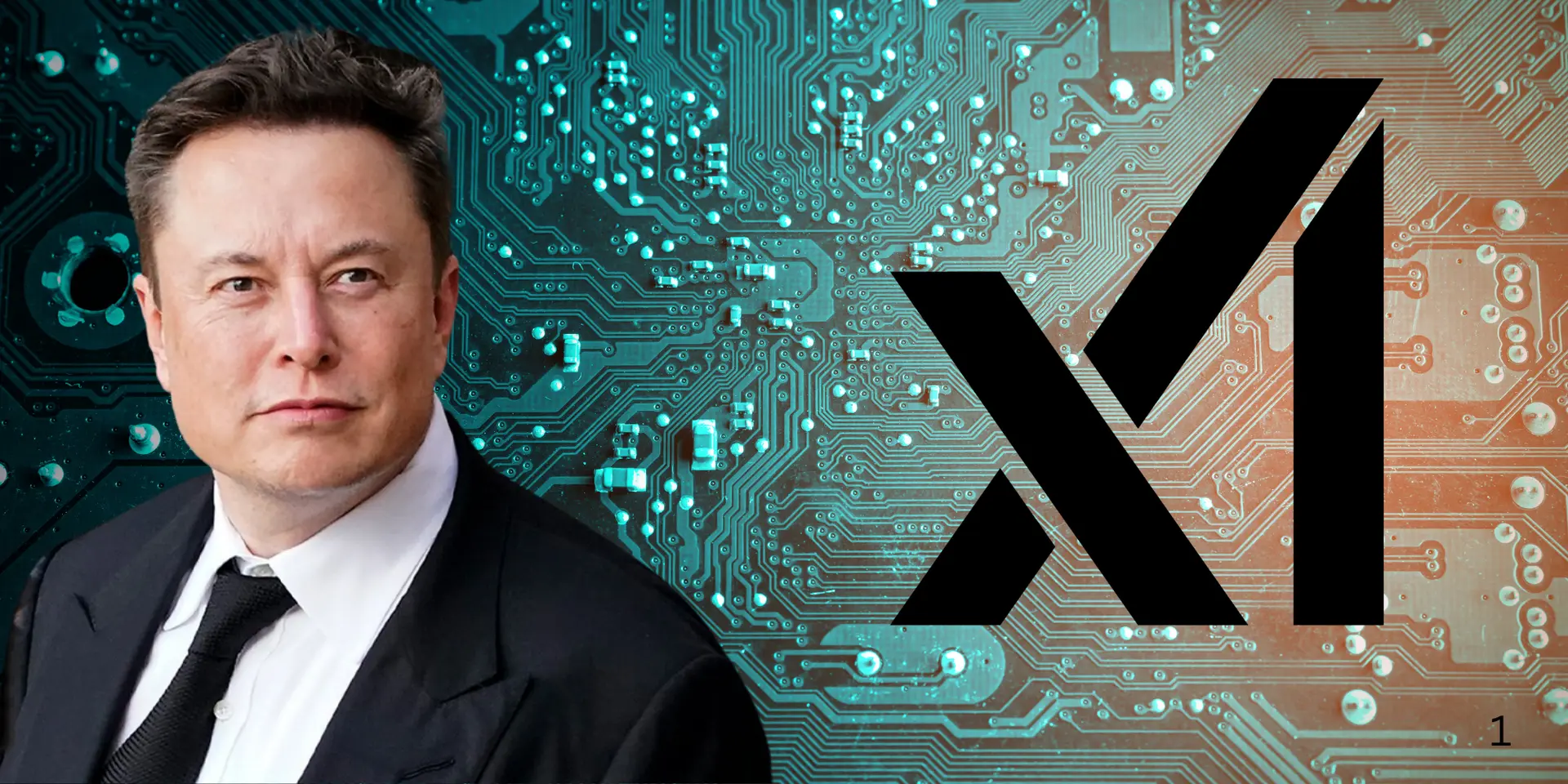

Elon Musk has announced a major hiring initiative for his new AI-focused software company, "Macrohard" by xAI, signalling his intention to directly challenge Microsoft’s growing dominance in artificial intelligence and cloud infrastructure.
This strategic move comes at a time when the race to lead in AI, especially in enterprise and cloud services, is intensifying, with Microsoft investing billions in global AI hubs and infrastructure.
Strategic Positioning Against Microsoft
Musk’s new company, Macrohard, is explicitly positioned as an “AI-only” rival to Microsoft, which has recently strengthened its AI offerings through significant investments, such as a $1.5 billion partnership with the Emirati AI firm G42 and a $3.3 billion AI hub in Wisconsin, aimed at both infrastructure development and workforce training. Microsoft’s aggressive expansion in AI has established it as a primary force in enterprise AI, making it the company to beat in this sector.
Focus on Human Talent in AI Development
In contrast to the prevailing narrative that AI will automate and replace human roles, Musk is emphasising the importance of human expertise in building advanced AI systems. This approach highlights the current limitations of AI, particularly in creative problem-solving, ethical oversight, and system reliability, suggesting that Musk is betting on a hybrid model where top human talent remains central to AI innovation.
This strategy could also act as a counterpoint to concerns about mass unemployment and displacement caused by AI, presenting a vision where humans remain a vital part of AI’s future.
At the same time, Musk recently cut about 500 roles from the data annotation team that trained Grok, raising questions about how he will now convince fresh talent to join his new venture.
Implications for the Labour Market and AI Ethics:
Musk’s hiring push comes amid ongoing debate about AI’s impact on employment. Researchers estimate that up to 80% of the U.S. workforce could see at least 10% of their tasks affected by large language models, with 19% facing disruption in over half their work.
Musk himself has previously advocated for a universal basic income as a response to AI-driven automation, reflecting his awareness of the societal challenges posed by rapid technological change. By prioritising human roles in his AI venture, Musk may be signalling a more ethically conscious approach to AI development.
Broader Industry Dynamics and Competition
The move also reflects broader tensions in the tech industry, where control over AI development and infrastructure is increasingly seen as a key source of competitive advantage and even geopolitical influence. Musk’s entry adds to the growing fragmentation of the AI landscape, where companies are racing to secure talent, data, and computational resources in a high-stakes contest for leadership.
Potential Impact on Open Internet and Innovation
The escalating competition among AI giants, including Musk’s new software company Macrohard, may accelerate trends toward proprietary systems and walled gardens, as firms seek to protect their intellectual property and market share. This could have far-reaching consequences for openness, collaboration, and the pace of innovation in AI.
Public Perception and Media Attention
The launch of xAI's Macrohard has already attracted significant media and industry attention, with speculation about its potential to disrupt established players and reshape the competitive landscape. Given Musk’s track record of ambitious ventures and public engagement, the company’s progress is likely to be closely watched by investors, regulators, and technologists alike.
The Bottom Line
Elon Musk’s decision to hire aggressively for an AI-only Microsoft rival underscores both the intensifying competition in artificial intelligence and the enduring value of human expertise in shaping the future of the field. The initiative raises important questions about the direction of AI development, the role of humans in an increasingly automated world, and the broader economic and ethical implications of the next wave of technological disruption.