



ODOP to Join ONDC to Help Local Products Grow: Piyush Goyal
Commerce Minister Piyush Goyal proposes integrating One District One Product (ODOP) with ONDC to amplify market access for local products across India.

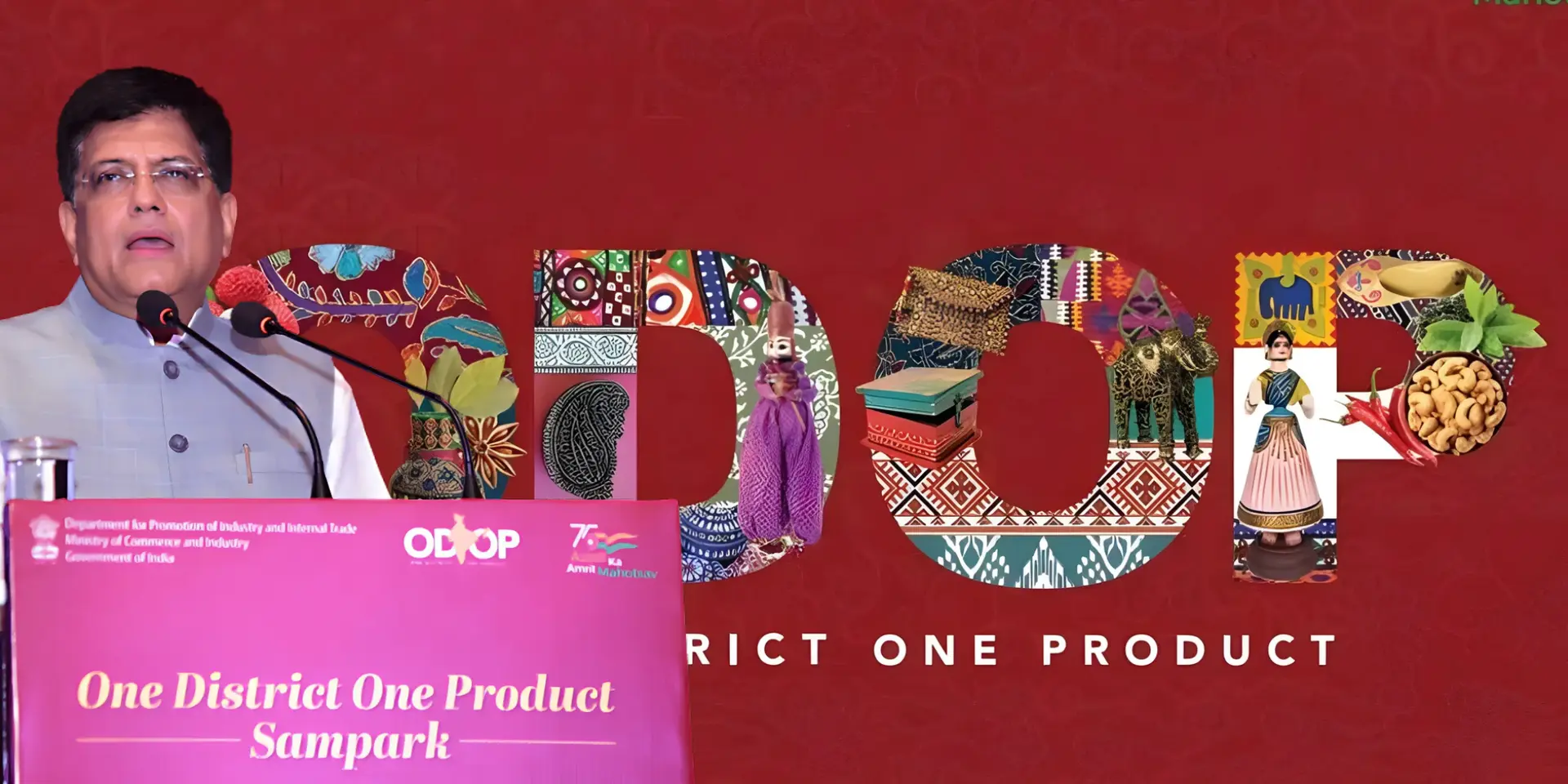

Union Minister of Commerce and Industry Piyush Goyal has called for integrating the One District One Product (ODOP) initiative with the Open Network for Digital Commerce (ONDC) to expand the market reach of India’s unique local products.
The move aims to help artisans, farmers, and small producers by providing them with a digital platform for increased visibility and accessibility.
Goyal made this announcement while launching the ODOP Gift Catalogue, which showcases over 300 curated products, and unveiling the ODOP storefront on the Government e-Marketplace (GeM). The catalogue features items from 75 categories across all states and union territories, positioning it as a key tool for government gifting and procurement.
Why this integration matters
The ODOP initiative focuses on identifying and promoting one unique product from each district across India. By integrating this with ONDC—a government-backed open e-commerce platform—the initiative can offer equal opportunities to small sellers.
Goyal emphasised that this integration will help ODOP producers access a broader customer base while improving product visibility. He also highlighted the need for improved packaging, product storytelling, and digital discoverability to make ODOP items more competitive in the online marketplace.
Goyal's five-point strategy to scale ODOP digitally
During the event, Goyal outlined a five-point strategy to elevate ODOP's integration with digital commerce:
- Comprehensive Catalogue Development: Create a robust ODOP catalogue that serves as a go-to resource for gifting to government bodies, foreign missions, and events.
- High-Quality Supplier Inclusion: Ensure only verified, quality-focused sellers are listed to maintain credibility.
- Enhanced User Experience: Organise the catalogue to improve product discoverability and user navigation.
- Producer Onboarding & Training: Leverage post offices and common service centres to onboard and train local producers on GeM and other digital platforms.
- Global Promotion: Actively showcase ODOP items at international expos, diplomatic events, and trade fairs to expand global reach.
Key challenges and considerations
Despite its strong potential, the success of ODOP’s integration with ONDC depends on addressing several practical challenges. Ensuring product authenticity is critical to eliminating counterfeits and protecting the value of local craftsmanship.
The government has also emphasised the need to expedite Geographic Indication (GI) tagging, which helps preserve the identity and origin of these unique products. Training and onboarding support for artisans remains a top priority.
The use of post offices and common service centres is intended to simplify access to platforms like GeM. While Goyal did not elaborate on operational integration at the district level, the broader implication of aligning ODOP with ONDC points to the need for robust digital readiness across districts.
A digital future for India's local heritage
The proposed integration of ODOP with ONDC represents a significant step in digitising India's local economies. By expanding market access and supporting product standardisation, the initiative has the potential to elevate the country's artisans and micro-entrepreneurs onto a national and even global stage.
If implemented effectively, this model could redefine "Made in India" by combining cultural heritage with modern digital infrastructure, ensuring that India's local products receive the recognition and reach they deserve.