



Porter turns profitable as revenue surges 57% in FY25
Porter swung to profit in FY25 with revenue up 57% to Rs 4,306 crore. Meanwhile, its expenses climbed at a slower rate.

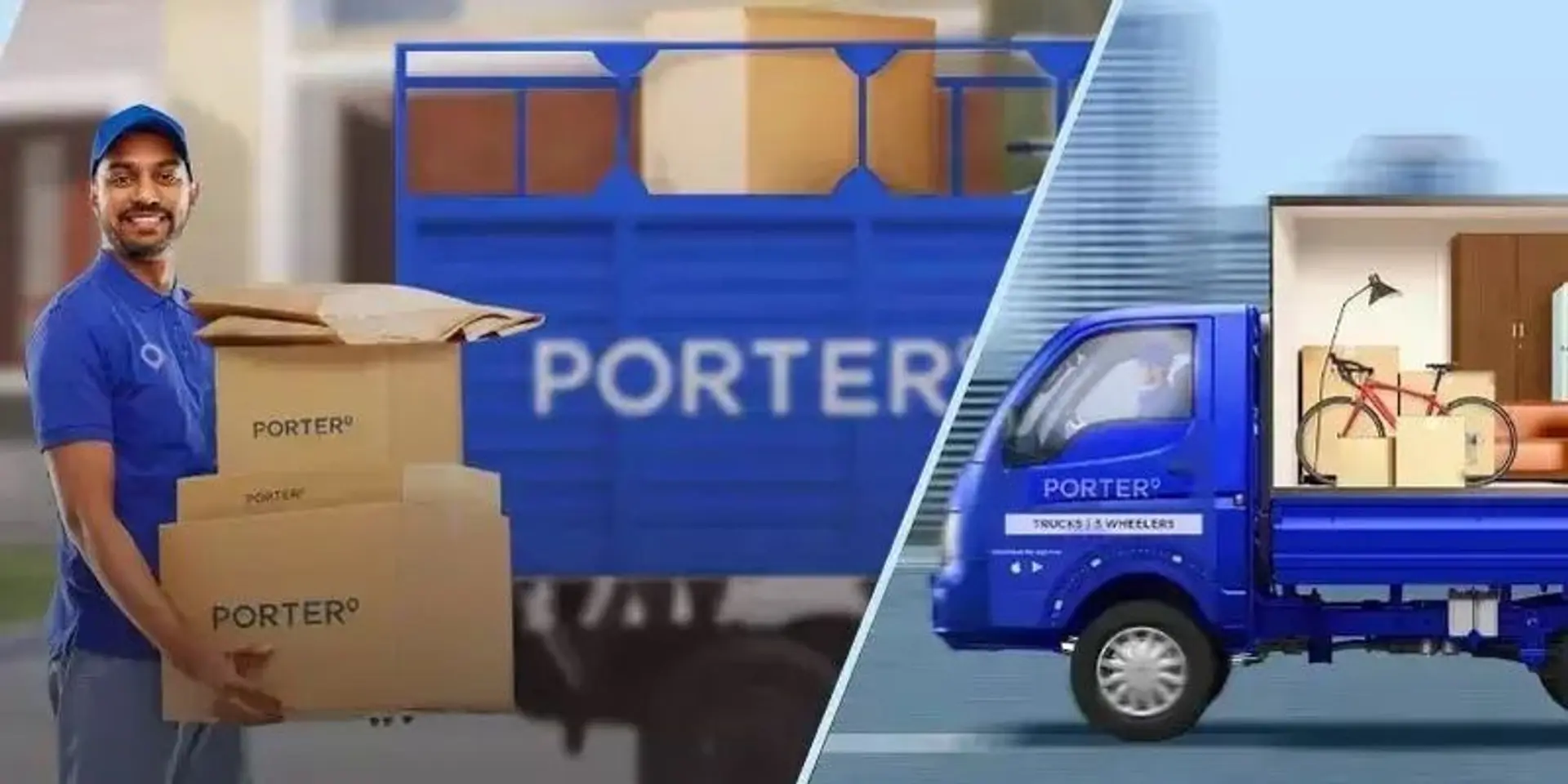

Smartshift Logistics Solutions, which operates the on-demand logistics platform Porter, posted its first profit in the fiscal year ended March 2025, as revenue growth outpaced costs in India’s booming last-mile delivery market.
The Bengaluru-based company reported a 57% rise in revenue from operations to Rs 4,306 crore in FY25, up from Rs 2,733 crore a year earlier. Porter swung to a net profit of Rs 131 crore from a loss of Rs 46 crore in FY24. On a consolidated basis, the company posted a net profit of Rs 55.2 crore, compared with a loss of Rs 97.7 crore in the previous year.
Porter earns most of its revenue through delivery services provided by partner drivers, operating on a revenue-sharing model where it charges up to 30% of the billed amount depending on location.
Expenses climbed at a slower pace than revenue, rising 50% to Rs 4,286.3 crore in FY25, from Rs 2,862.1 crore a year earlier.
Employee benefit expenses grew 20% to Rs 285.2 crore, while marketing and advertising spend edged up 5.5% to Rs 80 crore.

Profitability metrics also improved. Earnings before interest, tax, depreciation and amortisation (EBITDA) rose to Rs 83.6 crore, compared with a loss of Rs 80 crore in FY24. The EBITDA margin expanded to 1.94% from -2.93% in the previous fiscal year.
Founded in 2014 by Pranav Goel, Vikas Chaudhary, and Uttam Digga, Porter has grown into a logistics unicorn offering services ranging from enterprise-level goods movement to household relocation and intercity courier delivery.
Porter entered the unicorn club last year after raising $200 million in a Series F round led by Kedaara Capital and Wellington Management. It is now in advanced talks to extend the round with an additional $100–110 million, potentially taking the total fundraise to about $300 million.
While the company has managed to turn profitable in FY25, it faces looming regulatory headwinds. Proposed changes in the goods and services tax could push the levy on its services from 5% to 18%, a move that may pressure margins, Mint reported.
Edited by Kanishk Singh