



From soaps to refrigerators, GST cuts promise to supercharge India’s consumption story
As families save on groceries and essentials, FMCG, D2C, and appliance makers expect a demand revival this festive season with the GST reforms.

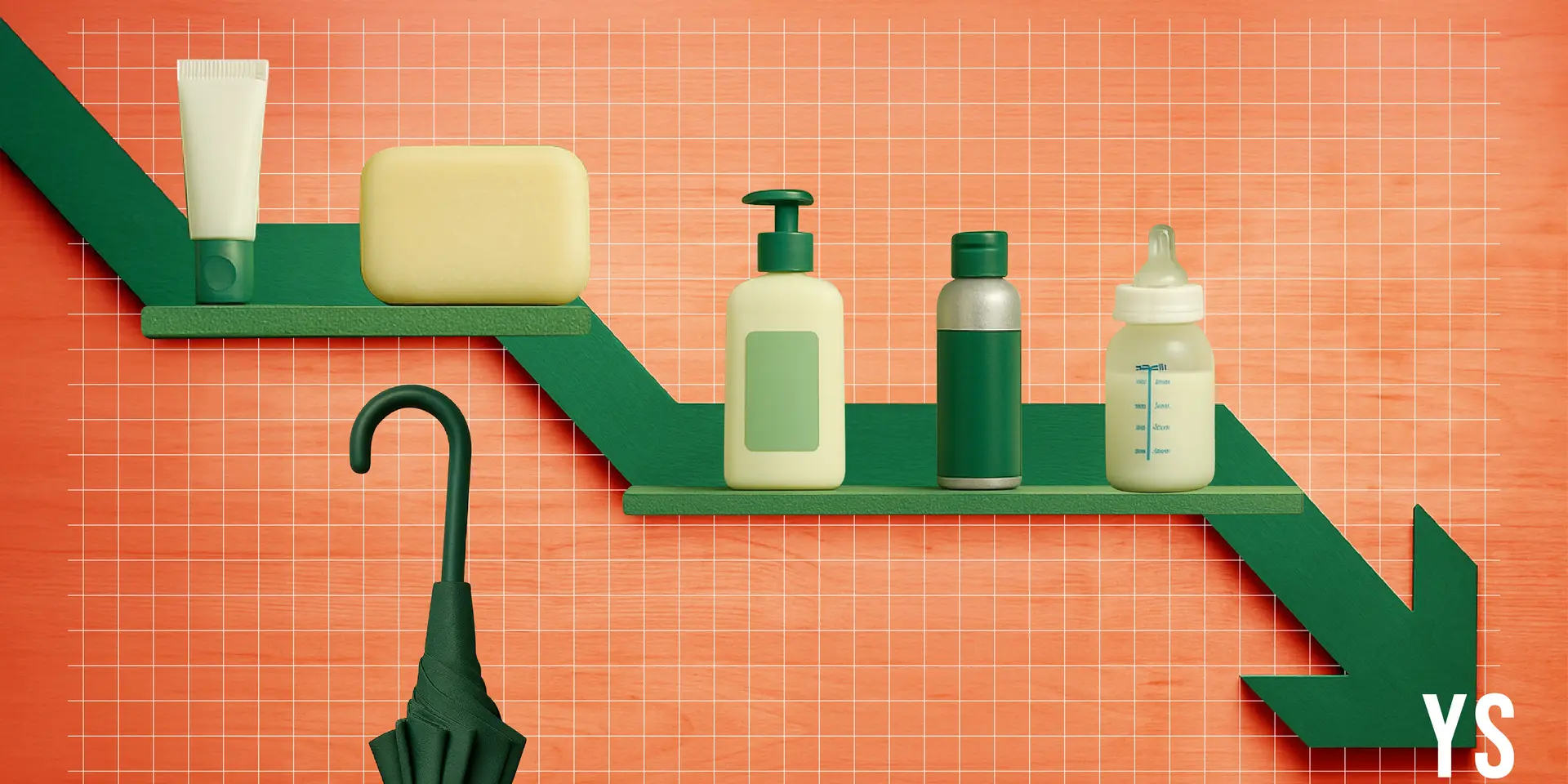

For millions of Indian households, everyday necessities—like toothpaste, soaps, shampoo, feeding bottles, and snacks—often stretch already tight monthly budgets. The recent GST cuts promise small but meaningful relief.
Finance Minister Nirmala Sitharaman, who chaired the 56th Goods and Services Tax (GST) meeting that cleared the much-anticipated GST reform, called it a “Diwali gift” for citizens. Effective September 22, the GST structure will now comprise only two primary slabs—5% and 18%, replacing the earlier four-tier system.
In her announcement, she specifically noted that “items used by the common man and middle class”, including items such as hair oil, bicycles, and kitchenware, would be taxed at 5%.
“The GST cut brings timely relief for households, especially with staples like edible oil. It eases daily expenses while boosting consistent demand. For the industry, it opens room to expand refining, strengthen supply chains, and move towards self-sufficiency—aligning consumer benefit with the broader Make in India vision,” says Sparsh Sachar, FMCG and Business Head, Nutrica, BN Group, in a conversation with YourStory.
What’s cheaper
The GST Council’s latest rate tweaks are designed to simplify tax rates and, in turn, ease pressure on household budgets with slightly cheaper MRP tags on supermarket shelves. A family spending around Rs 1,500 monthly on soaps, shampoos, and toothpaste could save Rs 50–75, a modest but significant relief when stretched across millions of households.
For young parents, reduced tax on feeding bottles and baby products provides important cost relief. Disposable hygiene player Nobel Hygiene's chief marketing and growth officer, Kartik Johari, in a statement, applauded the reduction of GST on diapers to 5% and affirmed that it will pass the full benefit to consumers.
In semi-urban and rural India, the cuts on sewing machines, umbrellas, and bicycles—considered important for income generation—make them more accessible to middle- and lower-income households. This is also expected to stimulate demand in semi-urban and rural markets where affordability drives consumption.
Aman Gupta, Managing Director of SSIEL Group—a prominent manufacturer of Basmati rice and other agricultural products, notes that rationalising taxes on everyday “is not just a tax change but a growth catalyst that enhances affordability, stimulates demand, and intensifies competition, while allowing brands to reinvest in quality, innovation, and distribution.”

Impact on dairy
The impact of GST reduction could be most palpably felt on the dairy sector, with products like paneer, ghee, cheese, and ice cream becoming more affordable.
These GST reductions are especially timely given the high-stakes backdrop of India–US trade negotiations, where the dairy sector, which employs 80 million small farmers, is a red line for India. By lowering GST on staples like paneer (now at 0%) and ghee, butter, and cheese (down to 5%), the government attempts to fortify the internal dairy ecosystem against external trade shocks.
“Zero tax on UHT (ultra-high temperature) milk and paneer, and lower rates on ghee and cheese, strengthen organised trade and open room for capacity expansion and better supply chains. For farmers, it means assured procurement and stronger price realisation, while for consumers, it’s meaningful relief on everyday nutrition,” says Ranjith Mukundan, CEO and Co-founder, Stellapps.
Bhuvaneswari Nara, Vice Chairperson and Managing Director of Heritage Foods, adds that zero tax on dairy can enable market expansion. “Moving staples like paneer to the 0% slab, and ghee, butter, and cheese from 12% to 5% will ease household budgets and allow branded, high-quality products to compete more effectively with unorganised players.”
The new GST reforms also come at a time when inflation in the country has been steadily declining, which has created a favourable environment for consumer spending.
What’s costlier
On the flip side, many high-consumption or aspirational goods have shifted to the 18% slab—up from 12% or even 28%. This includes aerated drinks, premium cosmetics, frozen meals, small kitchen gadgets, and even certain electronics and vehicles.
Then there is the new 40% GST slab reserved for "sin" and luxury items, including pan masala, gutka, various tobacco products, sugary/carbonated drinks, online gambling services, and high-end vehicles (luxury cars, yachts, private aircraft)
This seems to be part of the government’s balancing act: easing the burden on the middle class while nudging discretionary consumption towards higher slabs
However, Upendra Nath Sharma, Partner at JSA Advocates & Solicitors, cautioned that placing aerated beverages in the top slab while sparing other sugary items “is one aberration that could have been adjusted.” The segment is projected to reach Rs 1.47 lakh crore by 2030, according to the report from economic policy think tank ICRIER.

Ripple effect for D2C and FMCG brands
While most FMCG startup brands are evaluating how to pass on the revised GST rates to the consumers, it is expected that costs will ease for these firms and the products will become more affordable. This is expected to churn out volume growth.
“As an investor focused on mid-premium brands, we expect reduced pricing to significantly widen the consumer base that can be targeted by new age brands as they automatically become more affordable. In our view, a large number of new entrants to these segments will drive volume growth for our brands across food, personal care, apparel and electronics, further driving economies of scale,” says Manu Chandra, Founder and Managing Partner at Sauce.vc.
For direct-to-consumer startups in personal care, baby products, and packaged foods, the tax cut gives them a pricing headroom. Brands like Mamaearth, WOW Skin Science, and The Moms Co can either pass savings to price-sensitive customers or channel additional margins into marketing and growth.
The timing of the rate cut is also seen as critical. Abhishek Gupta, Director of Finance and Operations at Summercool Home Appliances, says the reform will free up household budgets ahead of Navratri and Diwali, spurring demand and easing compliance for businesses.
Kalpesh Ramoliya, Founder and Chairman of Raj Cooling Systems, estimates that effective price cuts of 5–7% on appliances like refrigerators and washing machines could save middle-class households Rs 2,000– Rs 4,000 per purchase, boosting replacement cycles.
Kamal Nandi, Business Head & EVP at Godrej Appliances, adds that reducing GST on air conditioners and dishwashers from 28% to 18% “improves affordability and will accelerate product penetration in a market where ACs still have just 10% penetration.”
Legacy FMCG majors are likely to adjust prices rapidly, but nimble D2C startups have an opportunity to stand out with sharper digital campaigns highlighting “more value at lower tax.” In a hypercompetitive consumer market, GST rationalisation could shift the balance toward younger brands eager to scale.
Archana Jahagirdar, Founder and Managing Partner at Rukam Capital, notes that the GST reform will boost consumption. “This is a vote of confidence in India’s consumption story and will energise demand, especially in rural and semi-urban markets, while catalysing growth for the FMCG ecosystem.”
(With inputs from Sai Keerthi.)
Edited by Kanishk Singh