



Battery Aadhaar is India’s attempt at tracing a battery’s life cycle, but challenges persist
The initiative, which was launched in May this year, will give every battery a digital passport, allowing it to be traced from the beginning to the end of its life cycle, helping collect data and also curb India’s import dependency on other countries for battery raw materials.

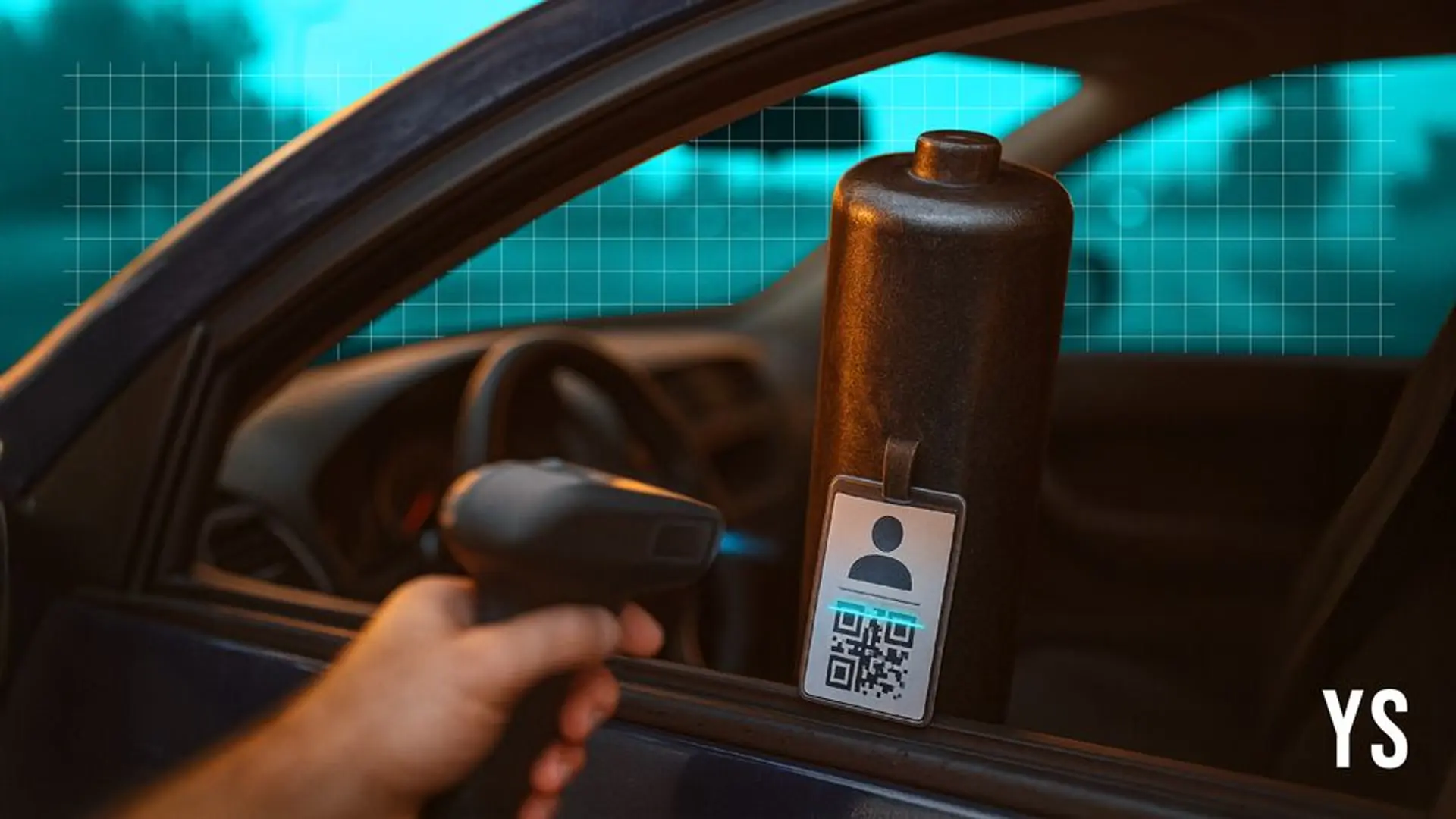

In May this year, the Department of Science and Technology (DST) launched Battery Aadhaar—an initiative designed to bring transparency, traceability, and trust into India’s expanding battery ecosystem.
Under this initiative, every battery would be equipped with a digital passport that logs where it came from, how it is used, and where it ends up. This could help address one of the biggest challenges that the battery recycling industry is facing—sourcing.
According to a recent report by Micelio titled 'Closing the Loop: Building a Roadmap for Battery Circularity in India', 80% of the used batteries in India are handled by informal recyclers, often using unsafe and inefficient methods.
To solve this, many startups have entered the space and deployed technologies that enable higher material recovery and lower environmental impact. These battery recycling firms have developed indigenous technology to separate critical minerals in end-of-life batteries, which can then be reused by domestic manufacturing companies, reducing India’s dependence on imports.
As of now, India relies heavily on other countries such as China for raw materials to make batteries. This exposes the nascent ecosystem vulnerable to supply chain disruptions and foreign restrictions.
However, despite the benefits of the Battery Aadhaar initiative, the report notes that effective implementation will require close coordination between the industry and the government, particularly among original equipment manufacturers (OEMs), recyclers, and digital infrastructure providers.
Another key concern is ensuring compatibility across different battery chemistries, designs, and usage patterns. The ecosystem has also raised concerns about establishing secure, tamper-resistant data exchange while also protecting sensitive commercial information, the report points out.

For instance, Romesh Gupta, Co-founder and Managing Director at recycling firm Yanti Innovative, notes in the report that the biggest barrier today is not technology, it is trust.
“OEMs hesitate to share sensitive data, while refurbishers cannot prove reliability without it. Strong frameworks of trust, backed by NDAs and standardised data-sharing protocols, are essential to unlock this collaboration,” he says.
Gupta highlights a key point about the existing barriers to data transparency. Today, the battery supply chain spans different continents, from mining in Africa and Australia, to refining and manufacturing in China, and cell assembly in East Asia and Europe.
With so many players involved, it has become difficult to track where the materials come from, how these batteries are made and transported, and what happens to the end of their life, the report says.
This highlights the importance of data-sharing and transparency between key stakeholders in the ecosystem. However, miners, manufacturers, recyclers, logistics companies, and regulators often work separately or even compete with each other, giving rise to concerns about protecting intellectual property, commercial secrets, cybersecurity, and the costs of the digital systems. Moreover, different countries also have different sets of rules surrounding data privacy and standards.
Despite these challenges, countries have taken steps to establish traceability frameworks in the battery ecosystem. For instance, Europe has introduced the EU Battery Passport with standardised data requirements for EV batteries, which is mandated by the EU Battery Regulation. The Indian initiative has been modelled after the EU’s rules, which will reportedly take effect in 2027.
The report identifies some of the ways in which battery life cycles can be traced, including the use of blockchain technology, shared data hubs, and compliance portals.
Today, in India, companies such as Tata Elxsi have actively developed solutions for Battery Aadhaar and have demonstrated its MOBIUS+ platform for creating a digital product passport at this year’s Battery Summit. Tata Motors is also one of the members of the consortium working to establish Battery Aadhaar.
Edited by Megha Reddy