



IIT Madras Research Park eyeing VC fund, accelerator to back deep-tech startups: Group CEO
The fund is just one of the many ways IIT Madras Research Park is looking to back deep-tech startups, going forward, including building on its incubator programme and building an accelerator programme to provide support for slightly more mature incubated companies.

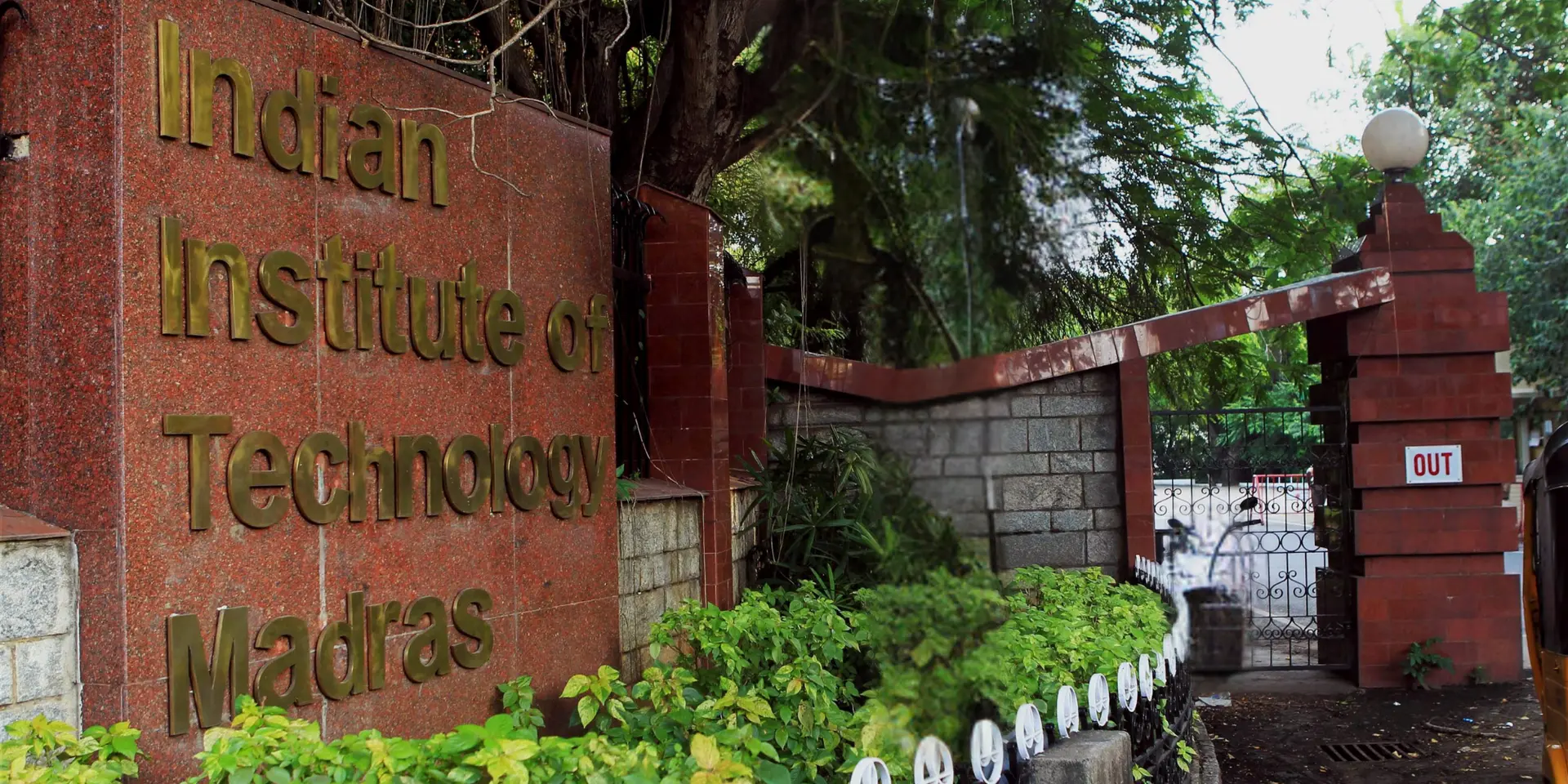

Indian Institute of Madras’ Research Park is looking to support the growing aspirations of student entrepreneurs by launching a new venture capital fund and setting up an accelerator programme, Group CEO Natarajan Malupillai told YourStory, on the sidelines of the Tamil Nadu Global Startup Summit 2025 in Coimbatore.
While Malupillai did not disclose more details on the fund, he added that this is just one of the many ways the institution is looking to back deep-tech firms in India. In July, IIT Madras launched a Rs 200 crore venture capital fund that will primarily support IITM-incubated startups seeking early-stage funding.
IIT Madras Research Park is also considering setting up an accelerator programme—building on its existing incubator programme.
“One is to build on the incubator to have an accelerator to provide incremental support to slightly mature incubated companies, based on the progress that we see, the macro itself and what kind of ecosystem support is available beyond the incubator. If we think there is a significant potential but not quite the take-up from the market or commercial investments yet, we can step in and be a catalyst to help them be ready for commercial investment to kick in,” Malupillai said.
The IIT Madras Research Park is a university-based research park that was created by IIT Madras to foster an ecosystem between the industry, academia, and startups. Some of the startups incubated at IIT Madras include recently-listed EV-maker Ather Energy and aerospace startup AgniKul Cosmos.

IIT Madras Research Park’s path forward is in response to the growing aspirations amongst student founders today. However, this also widens the institution's responsibility to make the right opportunities available to these founders. “Deep tech is a tough sector, and you have incredibly smart founders from a technical standpoint. We also work to ensure that they are well-rounded in terms of business readiness, in terms of being open to understanding what the customer wants and pivoting to get the product ready to meet their needs.”
Today, the institution incubates 100 startups every year. Malupillai added that the IITM Research Park’s incubator throughput has increased.
As developments in the deep-tech space see an uptick, funding remains sticky, especially for early-stage companies that are building on a prototype. Today, these startups need more venture capital firms or commercially oriented businesses to support them at a very early stage when the firm is still finding its footing.
However, today, the bigger problem is growth capital. “I think capital is available, but they're (VCs) not willing to release it yet. Our risk aversion stops it from getting to the right stage; we want to wait for a proven product. I think if we need to, you know, incentivise this whole ecosystem, we need to go a little ahead of time,” Malupillai noted.
Edited by Jyoti Narayan