


India’s traffic congestion might have a complex solution: private-public partnerships
Shuttle, feeder, and public buses can help provide comfortable alternatives to cars, resulting in less congestion on Indian roads. However, concerns of competition and data-sharing between the government and mobility companies remain a sticky point.



For several days in June, many commuters in Bengaluru identified themselves as “parcels” to get around the bike taxi ban in Karnataka.
Ride aggregator Rapido, which was quick to adapt after Karnataka suspended two-wheeler taxi services and rebranded its offering as a “bike parcel” courier service, allowing users to hitch rides as deliveries. The improvisation laid bare the realities of intra-city travel. In the week following the ban, media reports suggested that the city saw an 18% to 20% increase in traffic congestion.
On August 21, ride-hailing apps restarted bike taxi services in the city after comments from the Karnataka HC led to a restart of services. While the ban is technically still in place, many ride-hailing firms such as Rapido and Uber have resumed services.
Bike taxis, however, aren’t enough to solve traffic issues in a city like Bengaluru. Easing traffic congestion requires rethinking public transportation and opening up the field for more players.

During a recent panel discussion on first- and last-mile mobility involving industry stakeholders in Bengaluru, experts pointed out that partnerships between state transport corporations (STCs) and mobility startups could help unclog India’s cities.
Such partnerships aren’t without challenges. STCs are worried about competition and ensuring reliable usage and data transfers to these startups, while mobility companies are concerned about the regulatory landscape.
And rightfully so. For instance, in the bike taxi ban case, ride-hailing firms like Rapido, Uber and Ola Consumer had to halt their services in Karnataka as they were found to be in violation of the Motor Vehicles Act—a law that was created in 1988 and last amended in 2019.
Bike taxis are just one example. Indian cities are yet to take steps to bring app-based carriage operators under their regulatory framework governing public transport.
Against this backdrop, recent steps to announce a draft Motor Vehicle Aggregator Rules in Maharashtra indicate growing attempts to regulate app-based mobility services, according to Cityflo’s founder and CEO, Jerin Venad.
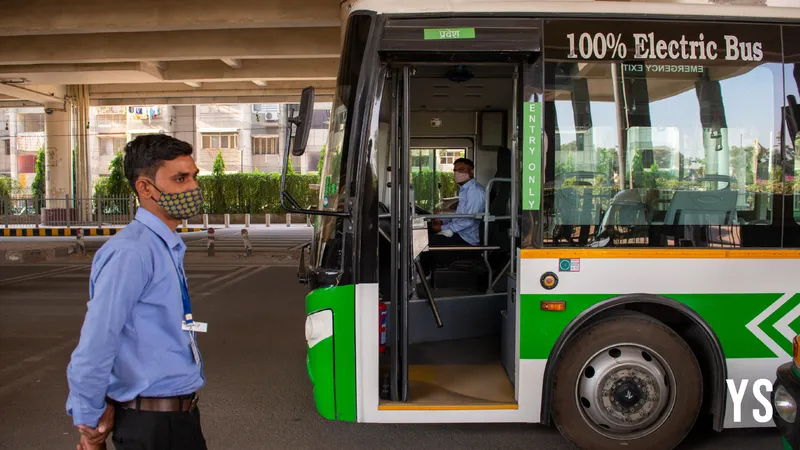
STCs fear private players with new fleets and premium services might deepen competition
Missing shuttle service
Many public bus transport corporations in India today are bleeding cash as they prioritise welfare over profit. Subsidies, fares, and concessions combined with high operating costs and ageing fleets hurt their bottom line, according to a recent report by The Indian Express. The article noted State Road Transport Undertakings (SRTUs) across the country reported year-on-year losses of over Rs 30,000 crore in FY22.
STCs fear that private players with new fleets and premium services might deepen competition in these cities. However, according to Venad, this is precisely what the firm is working to debunk.
“I think there is also a realisation that this (private shuttle services) is not competition to public transit. This is a premium end of the services, which at scale also will operate at a much smaller demographic than public transit, which is much, much larger. And I think it is something the government will have to do, because I don't think those operations can be run profitably.”
Venad has a point. Public buses in India charge a menial fee for their services; meanwhile, shuttle services like Cityflo have an average ticket size of Rs 150, targeting a premium customer segment.
Policy changes
The recent step by the Maharashtra government to bring private shuttle service providers like Cityflo under its framework is expected to be a much-needed shot in the arm for startups operating in the space.
“When the government of India feels that the private sector can be allowed to launch rockets, I do not know why the state government is hesitant to allow private players to run buses,” an industry expert said during the panel discussion.
The entry of private players into the ecosystem could facilitate more shuttle services, feeder buses, and bike taxi services, which would allow commuters to have multiple options to travel. While many companies have tried to bridge the first and last-mile mobility issues persisting in India, many have also burnt their fingers.
In recent years, Mumbai has seen both the rise and fall of shuttle buses. Uber launched its public shuttle bus last year but discontinued the service in July this year, citing low ridership and rising operational costs. Multiple reports during this period suggested that there was a series of bus seizures in the city that targeted unlicensed shuttle services in Mumbai.
During this enforcement drive, Regional Transport Offices (RTOs) reportedly seized 125 buses found to be operating illegally and collected over Rs 12 lakh in fines from various operators, including Uber and competitor CityFlo.
However, the new draft policy is expected to serve as the light at the end of the tunnel.
Competition is a sticky point
Despite reports of run-ins with the authorities, Cityflo said it closely collaborates with BEST (Brihanmumbai Electric Supply and Transport)—Mumbai’s public transportation body. BEST offers available parking spots to Cityflo’s fleet during the day—reflecting how public and private players can tackle urban mobility problems together.
“We believe it’s just a matter of time before we see a more beneficial collaborative approach between public and private players because we need more buses in the cities. We need more such solutions,” Venad said.
Data is another key challenge for private and public operators. According to experts, private and public partnerships will also enable data to be shared, which would help companies build the tech to create efficient mobility solutions.
Emailed queries sent to MSRTC and BMTC did not elicit a response.

Data crunch
Many new-age companies have been trying to approach public authorities with channels for collaboration. For instance, ride-hailing app Namma Yatri in Bengaluru recently integrated data from Bangalore Metro Rail Corporation Ltd to allow onboard metro ticketing on its platform. The company, however, is still awaiting data from BMTC to enable users to book bus tickets and to plan their trips depending on the public bus schedule in the city.
“Now, if you allow for data to be made open, there will be many more startups like Namma Yatri who will come and do many SaaS products above it. They have built such solutions around,” the expert cited before said.
Another industry stakeholder pointed out that electric vehicle manufacturer Ather Energy has access to authentic data of potholes in cities—a feature the firm has integrated into AtherStack 7.0. The source added that if this data is made available to authorities, they can be alerted on when to fix potholes, how quickly they can go about it and prioritise which streets need the most attention.
“So basically the point is you need to have open data available and each organisation needs to speak to each other,” the expert said.
India’s mobility landscape is slowly approaching an intersection where partnerships between private and public authorities might just be the key to solving the plethora of problems commuters face on Indian roads daily. However, challenges remain, and unless both parties put their heads together to solve them, the future of urban mobility remains uncertain.
Edited by Affirunisa Kankudti