



Micelio’s 2025 GCMS report notes the growing opportunity in battery recycling as Indian EV ecosystem grows
Rising EV adoption means an uptick in incoming lithium battery waste that will need to be treated responsibly, ensuring these batteries can be recycled and circulated back into the ecosystem.

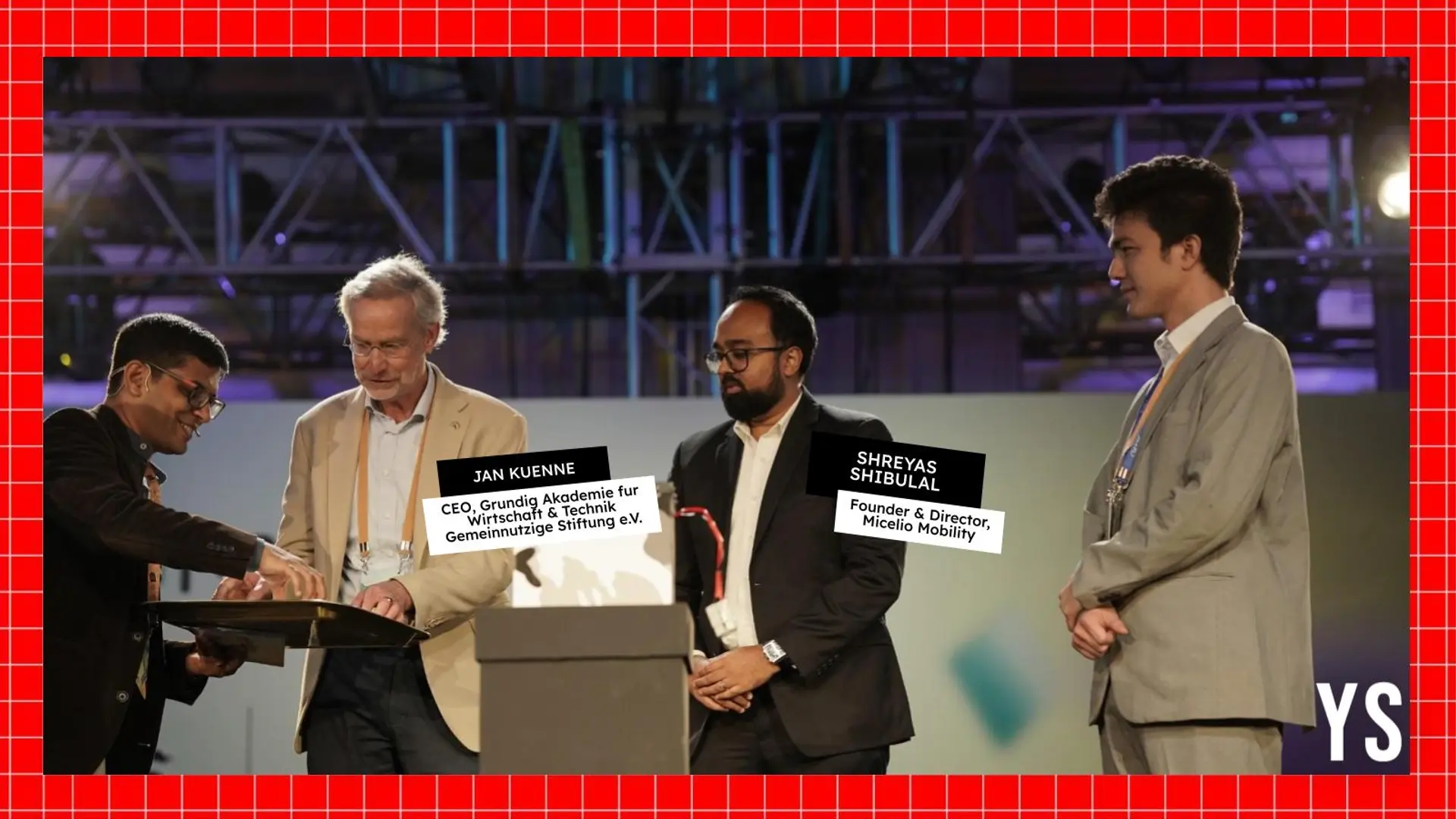

In India, there will be more than 26 million electric vehicles, including two- and three-wheelers, passenger cars and commercial vehicles, according to estimates from the India Energy Storage Alliance. Micelio’s report, ‘Closing the Loop: Building a Roadmap for Battery Circularity in India’, notes that amidst rising EV adoption, battery recycling is key to addressing India’s heavy reliance on imports of critical materials to curb the country’s exposure to volatile supply chain and geopolitical risks.
As of last year, India imported more than 80% of its lithium-ion cells with domestic cell manufacturing capacity accounting for only about 15-20%. The main reason behind this disparity is that most cell manufacturers lack access to stable domestic sources, which makes long-term planning difficult and raises costs for both manufacturers and consumers.
With rising EV adoption, the report notes that battery circularity offers a way to circumvent supply risks. However, sourcing used batteries remains a sticking point. At present, over 90% of spent lithium-ion batteries in India are handled by informal collectors and recyclers, often without safety standards in place. Today, formal recycling capacity in the country remains under 5%, the report cited.

Improper handling of discarded lithium-ion batteries is a growing concern for India’s environment and public health. The report notes that when these batteries are dumped in landfills, they can leach harmful metals like lithium, cobalt, and nickel into soil and water, contaminating the ecosystem and posing health risks.
Amidst this need for circularity and the impending rise in reliance on imports, startups have stepped up to bridge this gap. For instance, companies like Bengaluru-based MiniMines and Metastable, as well as Noida-based LOHUM and Gurugram-based Yanti Innovative, are among the startups the report mentions that are working in battery recycling and expanding their capacity.
Micelio’s report also notes initiatives taken up by the government, including the recently piloted Battery Aadhaar, which, much like the Aadhaar, gives every battery a digital passport that logs where it came from, how it’s used, and where it ends up. Battery Aadhar will have the potential to track how materials move within the country and across borders. This could also help flag exploitative or high-carbon supply chains and bring India in line with global efforts on ethical and transparent mining.
However, battery manufacturers also added that while they support this initiative, effective implementation will require strong cooperation between industry and the government, particularly OEMs, recyclers, and providers of digital infrastructure.
Edited by Jyoti Narayan