



Examining proposal to allow FDI in inventory-based ecommerce for exports only: Piyush Goyal
At present, India's FDI policy does not permit FDI in the inventory-based model of ecommerce. It is allowed only in firms that are operating through a marketplace model.

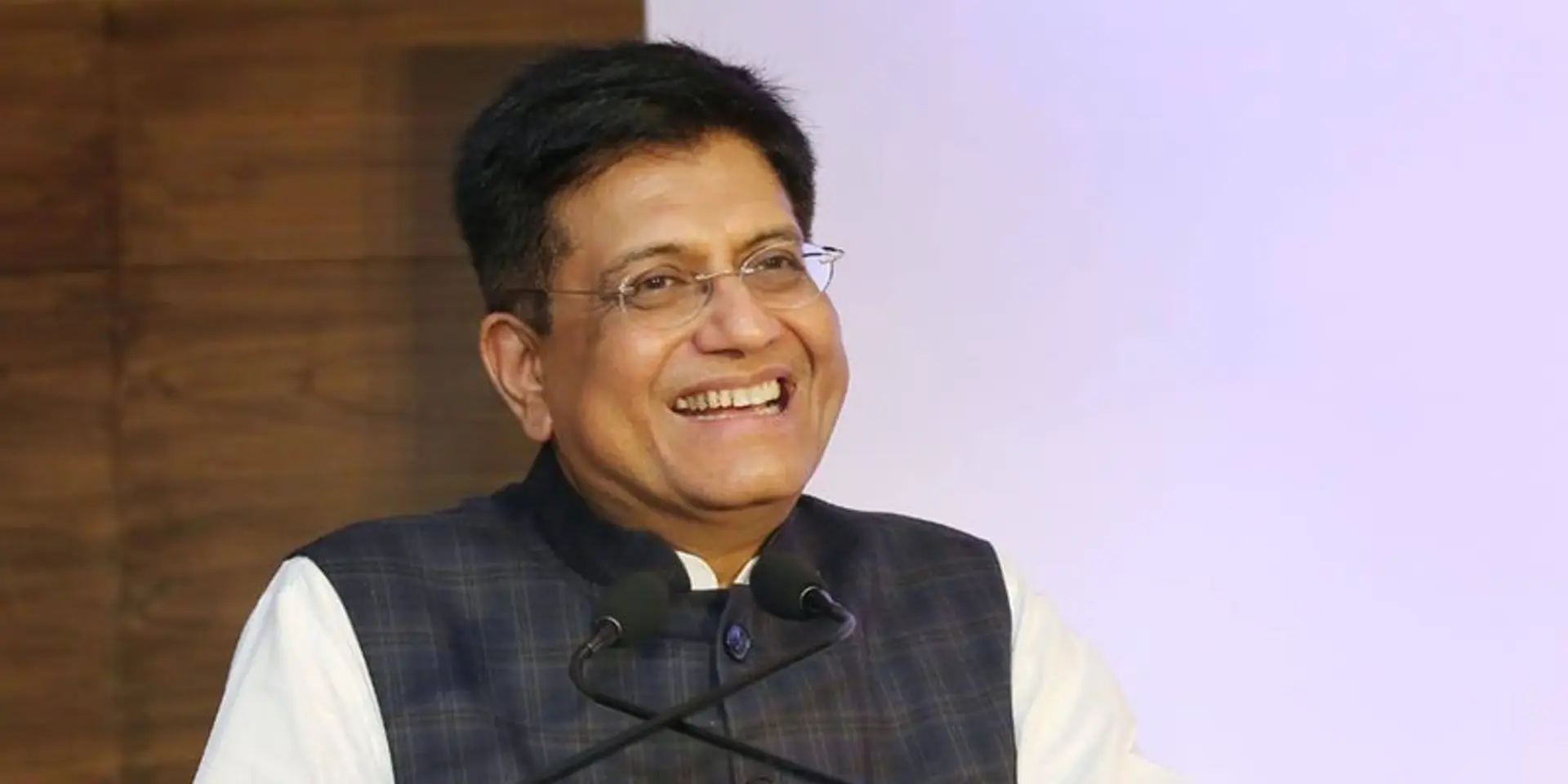

A proposal to allow foreign direct investment (FDI) in an inventory-based model of ecommerce only for export purposes is under examination. It will help increase India's outbound shipments without impacting the businesses of small retailers, Piyush Goyal, Commerce and Industry Minister, said.
At present, the country's FDI policy does not permit FDI in the inventory-based model of ecommerce. It is allowed only in firms that are operating through a marketplace model.
"I liked that proposal, the department is examining it," Goyal told Press Trust of India. The minister added that if such ecommerce firms want to keep inventory for exports, then "I think we have no objection to that".
When asked if the ministry will tweak the policy for that, he said: "We may need to issue a clarification" in this regard.
The proposal was mooted by the Directorate General of Foreign Trade (DGFT) and is being examined by the Department for Promotion of Industry and Internal Trade (DPIIT).
Ecommerce stakeholders, too, have asked for a relook at the FDI policy on this issue. The proposal is important as the government is looking at ways to boost exports through the ecommerce medium. It is working on measures such as setting up ecommerce export hubs.
According to estimates, the country's ecommerce exports currently stand at $2 billion as compared to China's staggering $350 billion.
The global ecommerce trade is about $800 billion, and it is estimated to reach $2 trillion by 2030.
A report by economic think tank GTRI India's ecommerce exports have the potential to reach $350 billion by 2030, but banking issues hinder growth and increase operational costs.
India's ecommerce industry is driven primarily by small businesses that export products valued between $25 and $1,000. The popular items include handicrafts, art, books, ready-made garments, imitation jewellery, gems and jewellery, home decor, ayurveda products and sports goods.
India has set a target of $1 trillion of merchandise exports by 2030, and cross-border ecommerce trade has been identified as a source to meet this aim.
On the country's exports, Goyal said, despite global uncertainties, the shipments are growing at a healthy rate.
During April-August 2025-26, exports rose to $184.13 billion from $179.6 billion in the same period last fiscal.
The imposition of high tariffs by the US on a number of countries, including India (50%), has disrupted global trade.
The World Trade Organisation (WTO) has projected that the global merchandise trade is expected to grow 2.4% this year and only 0.5% next year.
The minister said that exporters are looking at alternative markets to increase their shipments.
"We are focusing on new markets," he said.
Goyal was on a two-day official visit to meet Qatari leaders and businesses and discuss ways to boost bilateral trade and investments. He was leading a business delegation.
Edited by Suman Singh