



Assam launches national programme to push innovation and traceability in tea sector
The initiative, held at the Assam Water Centre Auditorium in Guwahati, brought together central ministries, export agencies, global brands, research institutions and startups to chart a technology-led future for Assam’s tea sector.

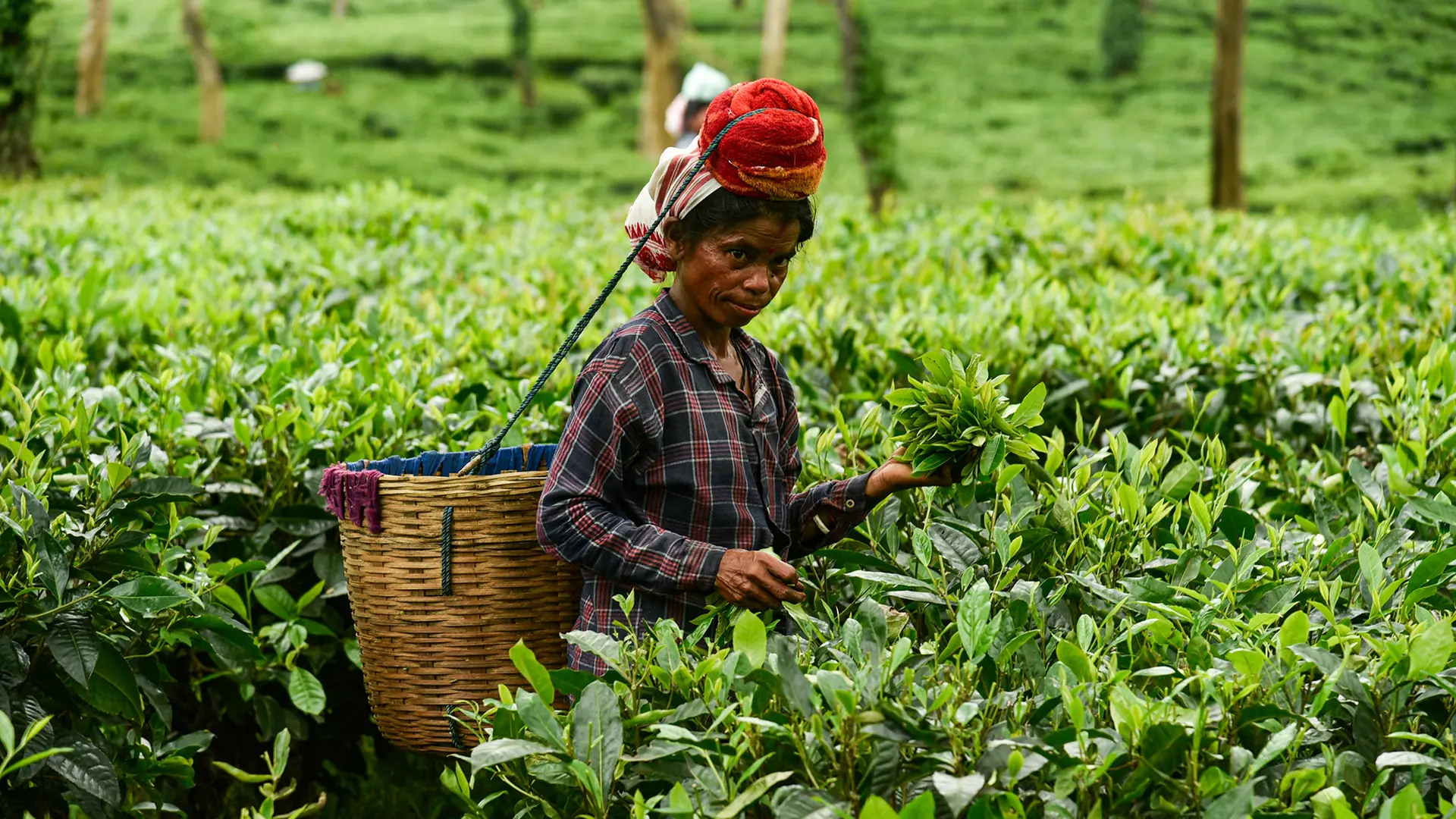

Signalling an ambitious push to modernise India’s tea industry, the Government of Assam is launching a national programme called “Innovation in Assam Tea: Traceability, Heritage and Global Market Access”.
The initiative, which will be held on Wednesday at the Assam Water Centre Auditorium in Guwahati, will bring together central ministries, export agencies, global brands, research institutions and startups to chart a technology-led future for Assam’s tea sector.
Assam, which produces more than half of India’s tea, is reworking its global positioning as climate pressures, consumer preferences, and compliance norms reshape international markets. The programme will focus on how digital traceability, climate resilience, product innovation, and new-market expansion can help the state strengthen its export competitiveness.
Senior officials from multiple central ministries will be attending the event. The Secretaries of DPIIT, Commerce, and MeitY, along with the Chairman of the National Quantum Mission’s governing board, outlined a roadmap that spans startup-led innovation, trade competitiveness, digital infrastructure, and quantum-secure verification in global supply chains.
The Chief Secretary of Assam will be delivering the keynote address, setting the tone for a day of technology demonstrations, policy discussions and ecosystem-building.
The programme will feature presentations from Assam-based startups showcasing innovations in tea products, blockchain-enabled QR traceability systems and climate data tools designed to help plantations navigate rising environmental volatility.
Four panel discussions will examine technology adoption, global consumer trends, export compliance requirements and emerging markets for premium and specialty teas. A dedicated session was also held for formalising new collaborations and partnerships.
Officials said the expected outcomes include accelerated deployment of digital traceability across Assam’s tea industry, clearer export compliance frameworks, and a roadmap for leveraging startups and advanced technologies throughout the value chain.
The initiative is seen as a key step in positioning Assam tea more competitively in global markets while preserving its heritage and improving sustainability across estates.
Assam’s tea industry is going through one of its most turbulent phases in years. Production has become highly erratic, swinging between occasional monthly gains and sharp declines.
The biggest driver is climate volatility: prolonged dry spells, delayed or erratic monsoons, and rising temperatures are stressing tea bushes and reducing yields. In some pockets, excess rainfall is also causing damage, creating a double hit. These conditions have accelerated pest attacks and pushed many estates into lower-quality or lower-volume output.
Economically, producers are being squeezed between falling auction prices for common CTC teas and rising costs of labour, fertilizers, and compliance. This comes at a time when many estates are already struggling with ageing bushes that need costly replanting.
Export-focused producers face an additional challenge: the EU is tightening pesticide-residue limits by 2026, forcing gardens to shift to new pest-management practices that add to costs and may further hit yields.
On the ground, labour pressures are intensifying. Estate workers continue to demand better wages, amenities, and safety, while tea-tribe communities are pushing for Scheduled Tribe status. This adds social and political uncertainty to an already stressed sector.
The overall picture is an industry at an inflection point: short-term spikes in prices (due to lower supply) are offering temporary relief, but the long-term sustainability of Assam’s tea economy depends on how quickly estates can adapt to climate change, replant ageing sections, meet export standards, and address worker welfare.