



COP30 chief praises Indian companies for their role in global energy transition
COP30 Chief added that both the countries have embraced climate action in a very clear way and are driving down the cost of clean technologies worldwide.


India and China are playing a transformative role in the global energy transition, COP30 President Andre Corrêa do Lago said during a press conference at the opening of COP30 in Belem, Brazil.
COP30 is taking place from November 6-21 in Brazil as leaders debate how to prevent runaway global warming, protect communities from climate impacts, and leverage creative solutions to the climate crisis.
Do Lago added that both countries have embraced climate action "in a very clear way" and are driving down the cost of clean technologies worldwide; and have "embraced this agenda in an extraordinary way" by combining scale, technology, and affordability, the three crucial ingredients that have accelerated the world's progress towards cleaner energy systems.
“China has very advanced technology and scale that can only be compared to India. India, too, has brilliant engineers and companies moving in the same direction,” he said.
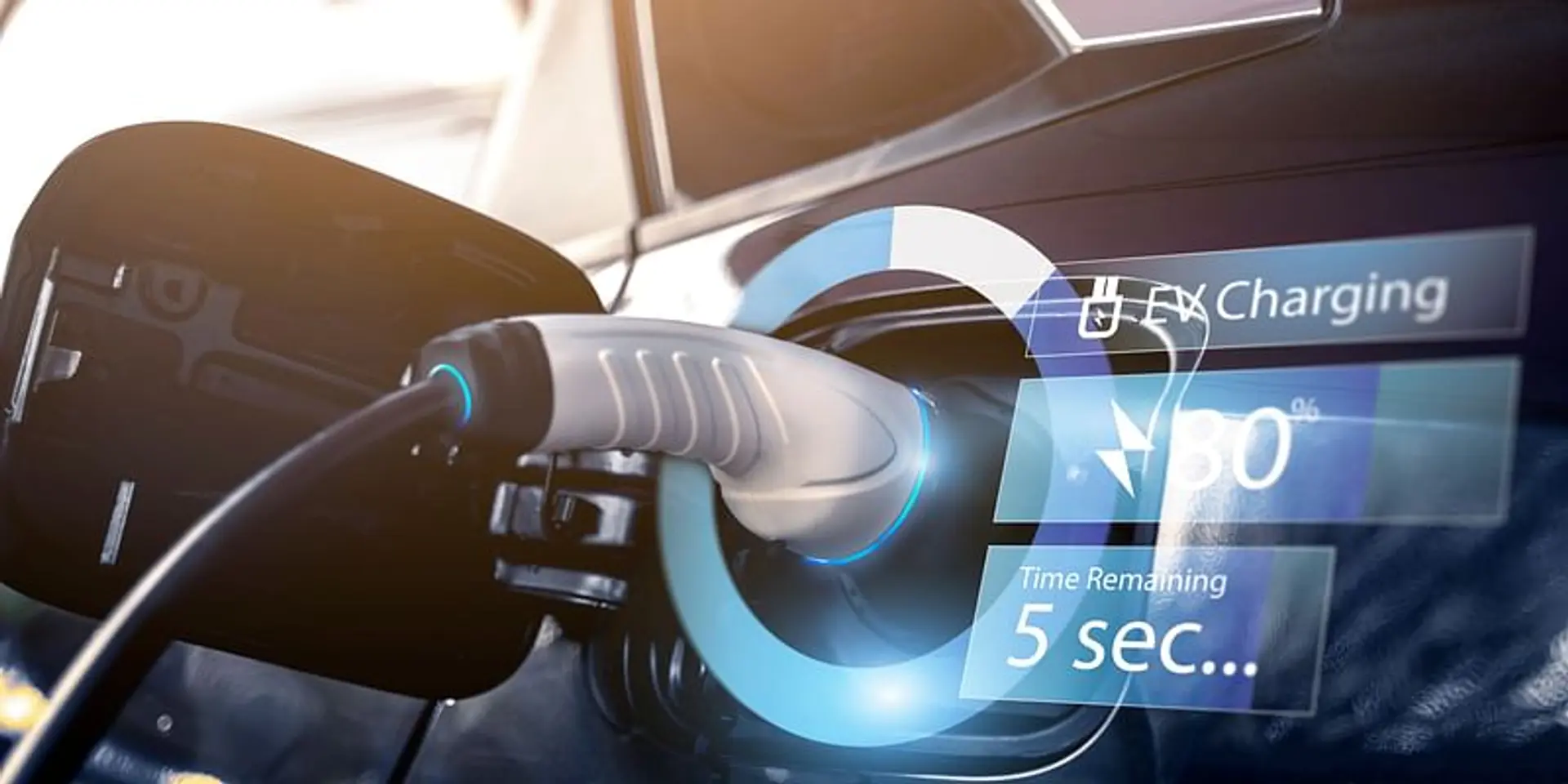
Do Lago credited China’s leadership in electric vehicles (EVs), solar panels, wind energy, and battery manufacturing for sharply lowering the global cost of clean technologies.
“If solar panels now cost 90% less than a few years ago, it’s thanks to this scale. It allows developing nations to access clean power more easily,” he said.
The COP30 summit, marking 10 years since the Paris Agreement, is being held amid geopolitical tensions, wars, and economic uncertainties, including trade measures by the US. Many developed nations are reconsidering their climate commitments, making this year’s talks crucial to rebuilding trust in global cooperation.
Countries are also expected to present their new climate action targets (NDCs) for 2031–2035, underlining how they plan to cut emissions and adapt to climate change.
With global temperatures already up 1.3°C since pre-industrial times, the latest UN Emissions Gap Report warns that current policies could lead to 2.8°C of warming by 2100.
At the COP30 Leaders’ Summit, Dinesh Bhatia, Indian Ambassador to Brazil, reaffirmed India’s commitment to the Paris Agreement and multilateralism. India urged developed nations to accelerate emission reductions and deliver on climate finance promises, stressing that global climate ambition remains inadequate even a decade after the Paris pact.
(With inputs from PTI.)