



Karnataka’s new startup policy targets 10,000 ventures outside Bengaluru
In a move to cement its position as India’s startup capital, Karnataka has unveiled a Rs 518 crore plan to support 25,000 new ventures by 2030. The policy emphasises deeptech, women-led entrepreneurship, and balanced growth across the state.

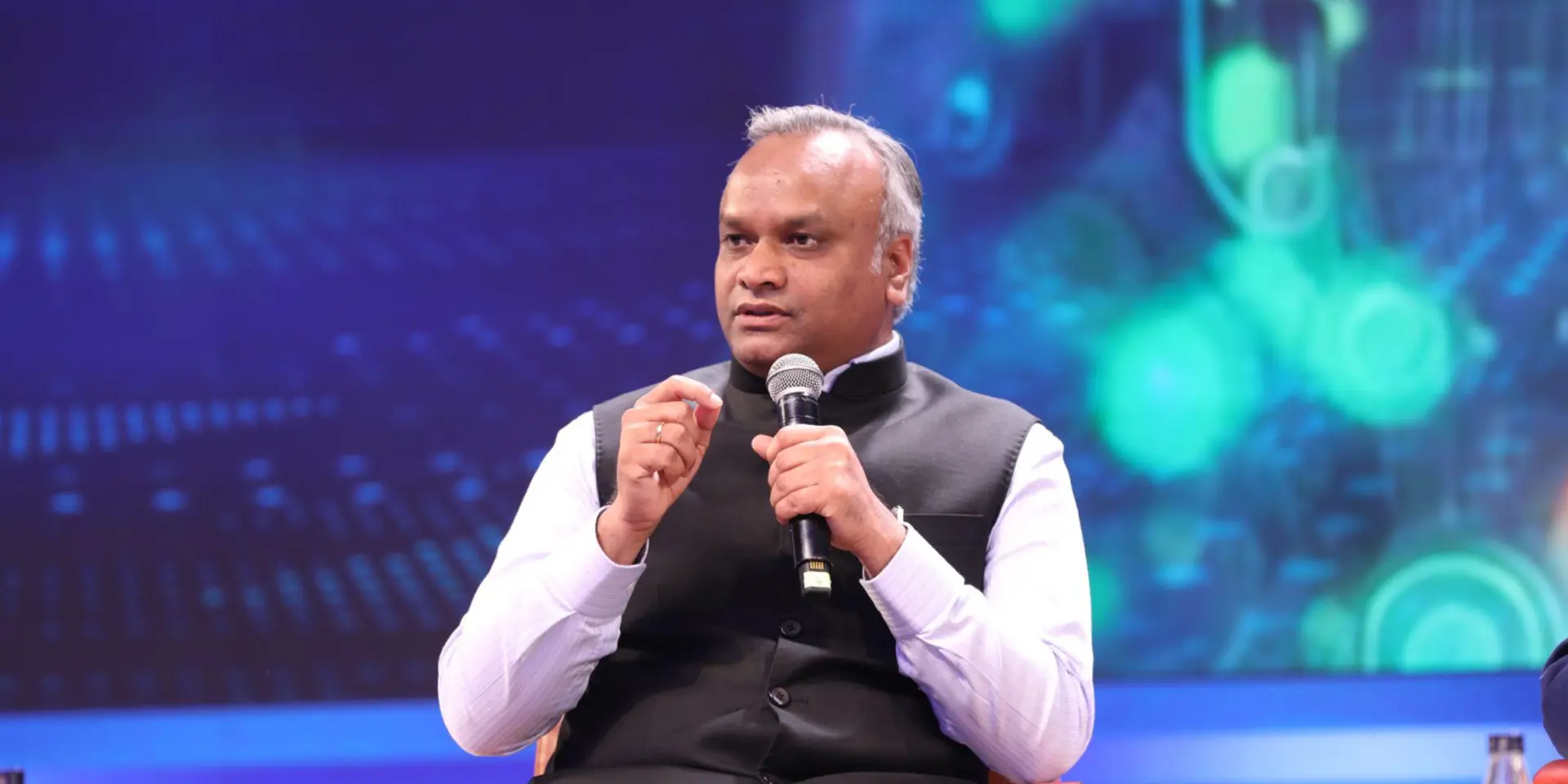

The Karnataka cabinet on Thursday cleared the Startup Policy 2025–2030 with a Rs 518.27 crore outlay to support the creation of 25,000 new startups over five years, including 10,000 outside Bengaluru.
Priyank Kharge, Karnataka’s Minister for Information Technology and Biotechnology, said the policy reflects the state’s participatory approach and its ambition to become 'Asia’s deeptech hub'.
The new policy emphasises emerging technologies, with a focus on artificial intelligence, blockchain, quantum computing and semiconductor design. It includes dedicated support for regional clusters and aims to shift innovation beyond Bengaluru.
Attending TechSparks 2025, Kharge said, “All our policies are drafted by listening; it’s a collaboration, it is participatory in nature," and added that the government now sees itself as “the first customer” for startups.
Among the policy’s features are one-time capital grants of up to Rs 50 lakh for private incubation centres, PF/ESI reimbursement of Rs 3,000 per employee per month (capped at Rs 12 lakh per company) for the first two years, and subsidies for cloud storage and R&D.
Notably, the policy allocates targeted support to 10,000 startups outside Bengaluru, aiming to build ecosystem momentum in cities such as Mysuru, Mangaluru, Hubballi-Dharwad and Kalaburagi.
At TechSparks, Kharge also reaffirmed the state’s broader ambition: “We’re kicking off our deeptech decade,” aiming to establish Karnataka as the “DeepTech Capital of Asia,” partnering capital with infrastructure and mentorship.
The Karnataka Startup Policy 2025–2030 builds on earlier frameworks launched in 2015 and 2022, which together helped nurture over 15,000 startups. This new iteration adds a stronger regional focus, a sustainability lens, and performance-linked incentives to promote research commercialisation, women-led ventures, and public-private partnerships in deeptech.
With this roadmap, the state aims to consolidate its leadership as India’s most mature startup ecosystem—deepening innovation beyond Bengaluru and aligning entrepreneurship with inclusive, long-term growth.
-With inputs from PTI